DUO Beach Walker Flipper iTMB33: Reading the Specs on DUO’s New Surf Blade
minagiman
Minagiman's Fishing Adventures in Japan
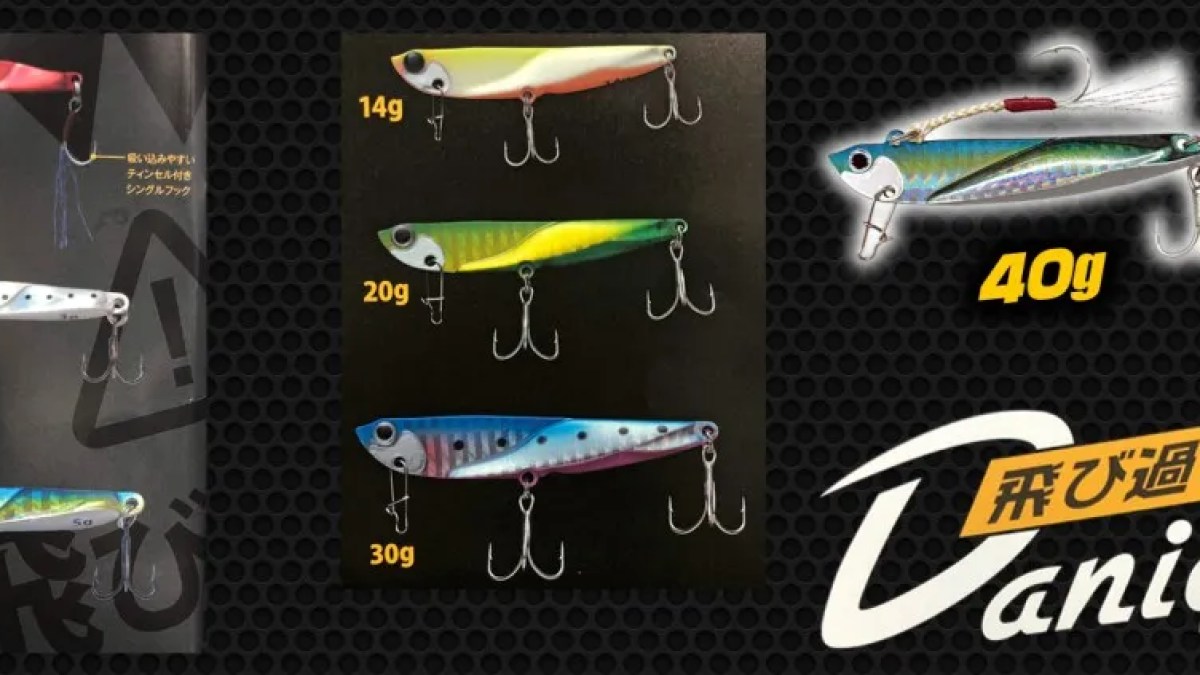
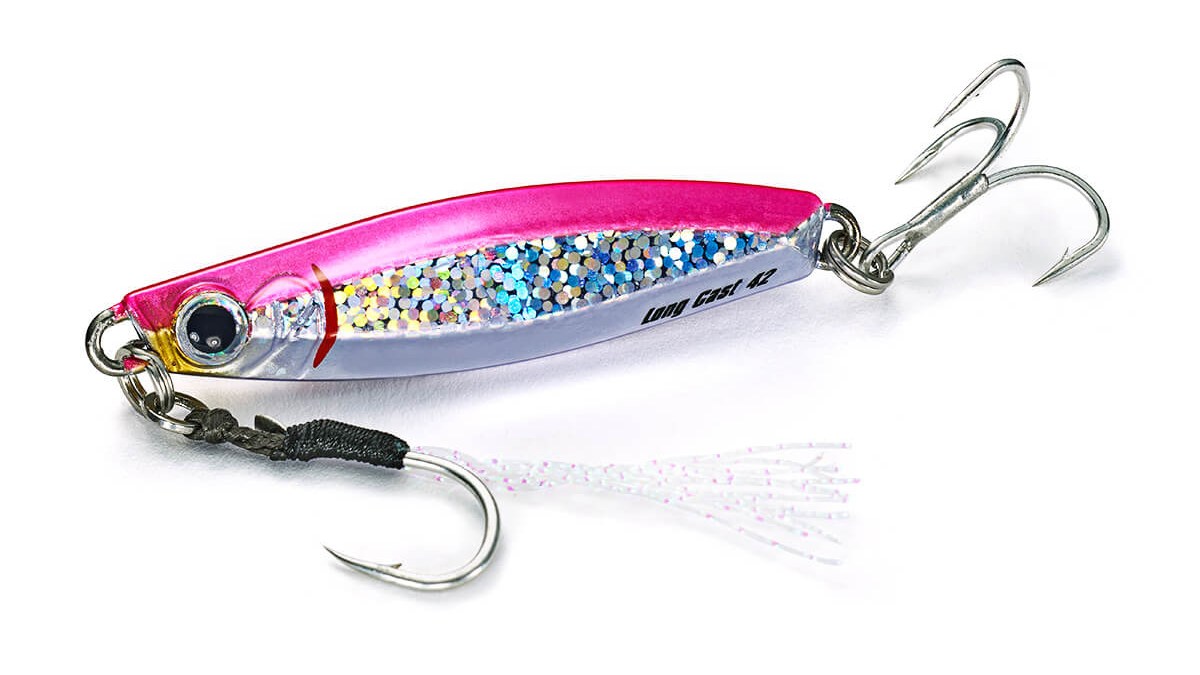
The name translates to something like “Daniel that flies too far”, which tells you both what the lure is for and how seriously Jackson takes itself. It is a blade-shaped metal lure that sits between a metal jig and a metal vibration, and on Japanese beaches it is everywhere.
It is also a lure people either love or quietly leave in the box, and the reason is the same in both cases: the action is enormous.
Jackson is based in Shizuoka – the same coast I fish – and has built its identity on going against the grain. While most of the industry chased wobbling actions, Jackson pushed rolling actions, and that habit of doing the opposite shows up across their range.
The Tobisugi Daniel merges the casting distance of a metal jig with the vibration of a blade bait. The body is extremely rear-weighted, which is where the distance comes from. Jackson runs an event called the “Tobisugi Daniel Olympics” where competitors cast the 30 g version – the leading distances are in the 80 m-plus range, which gives you a sense of what the design is optimised for.
| Model | Length | Hook | Price (excl. tax) |
|---|---|---|---|
| Daniel 1 g | 21 mm | #12 single | 650 yen |
| Daniel 3 g | 35 mm | #14 | 800 yen |
| Daniel 5 g | 42 mm | #12 | 830 yen |
| Daniel 14 g | 61 mm | #12 | 1,045 yen (incl.) |
| Daniel 20 g | 67 mm | – | – |
| Daniel 30 g | – | – | – |
| Daniel 40 g | – | – | – |
Dashes are where Jackson does not publish a single figure across colours and hook specs. The important thing is the spread: this lure exists from 1 g for light game up to 40 g for serious distance work, which is unusual.
The 1 g is a 21 mm body and one of the smallest lures of its type anywhere. It still casts like the name suggests, which puts water in range that a plain jig head or spoon cannot reach. The 3 g and 5 g are the practical light-game sizes – long casts for horse mackerel and rockfish, deeper water, and they get used in managed trout ponds too.
The 14 g at 61 mm suits smaller harbours and rivers, where the compact size and quick rise off the bottom let you drift it with the current in tight water. The 20 g at 67 mm steps up to harbour and beach work, and is the size for Spanish mackerel, small yellowtail and seabass.
The 30 g covers everything from harbour walls to offshore breakwaters, rocky shores and open beach. The 40 g is the specialist: shallow beaches where you need to reach fish a long way out, and rock marks for pelagics. Use a rod with enough backbone to throw it properly – 40 g of rear-weighted metal on a soft rod is unpleasant for both of you.
The rear weight bias means it casts like a metal jig. In practice, the 14 g goes 80 m-plus and the 30 g goes 105 to 110 m. That is slightly further than a centre-balanced metal jig of the same weight, and – more useful day to day – the flight attitude is very stable, so you do not get the occasional helicoptering cast that costs you twenty metres.
Because the weight is so far back, it drops fast and nose-down the moment you stop winding. That has a direct benefit: you feel the bottom clearly, even on a steep beach or in a deep harbour, and the moment the line goes slack is obvious. For a lure that spends a lot of its life being fished near the bottom, that matters more than most people give it credit for.
Start winding and it fires up almost immediately, faster than the weight suggests. Even on a slow straight retrieve it puts out a strong wave. The tail swing is very wide, and the vibration comes back through the rod tip hard enough that there is no doubt about whether it is working.
That is the selling point and the problem in one sentence. If you like a lure that announces itself, this is the lure. If you prefer subtle presentations, or you are fishing over pressured fish, the Daniel can feel like too much.
The most common mistake is working it too hard. The lure already moves plenty. Adding big rod strokes disrupts what it is doing rather than improving it. Keep your input minimal – small adjustments only.
The Daniel is defined by its wave. Once you accept that and stop trying to add to it, it becomes a lure that does the work for you: easy to cast, easy to understand, obvious feedback in your hands. That is exactly what some anglers want and exactly what others dislike. Know which one you are before you buy.