REAL FISHER Ebi Jig: A Shrimp-Shaped Metal Jig for Rockfish, Sea Bream and Yellowtail
minagiman
Minagiman's Fishing Adventures in Japan
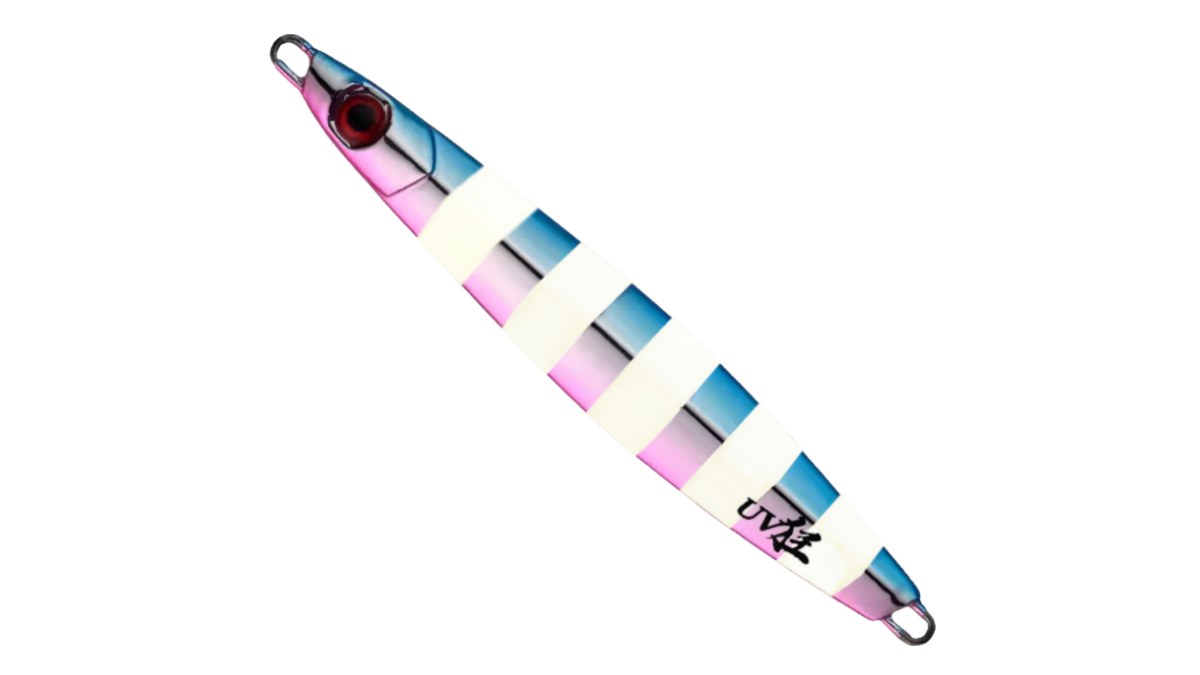
The thing that hurts most in shore jigging is losing jigs. Snags, break-offs, and Spanish mackerel biting through the leader. Lose three ¥1,500 jigs in a day and that is ¥4,500 gone. That is why the Metal Jig No.4 (Yongo) from the new brand ALLGU Fishing caught my eye. The 20 g costs just ¥749 including tax, yet it is a rear-weighted jig designed to find the bottom even in strong current. Is it just cheap, or actually good? Here is my view.
ALLGU Fishing comes from ALLGU, a company known for its pulley-style pelvic belts. It keeps costs down by working directly with overseas factories, while checking shapes and paint from a Japanese angler’s point of view. Its jigs are numbered (No.1, No.2 and so on), and No.4 is the rear-weighted model for fast currents.
| Weight | Price in Japan (inc. tax) | Hooks |
|---|---|---|
| 20 g | ¥749 | Front double assist |
| 30 g | ¥880 | Front double assist |
| 40 g | ¥946 | Front double assist |
| 60 g | ¥999 | Front double assist + rear single with blade |
| 80 g | ¥1,199 | Front double assist + rear single with blade |
| 100 g | ¥1,265 | No hooks |
| 160 g | ¥1,397 | No hooks |
| 200 g | ¥1,496 | Not stated |
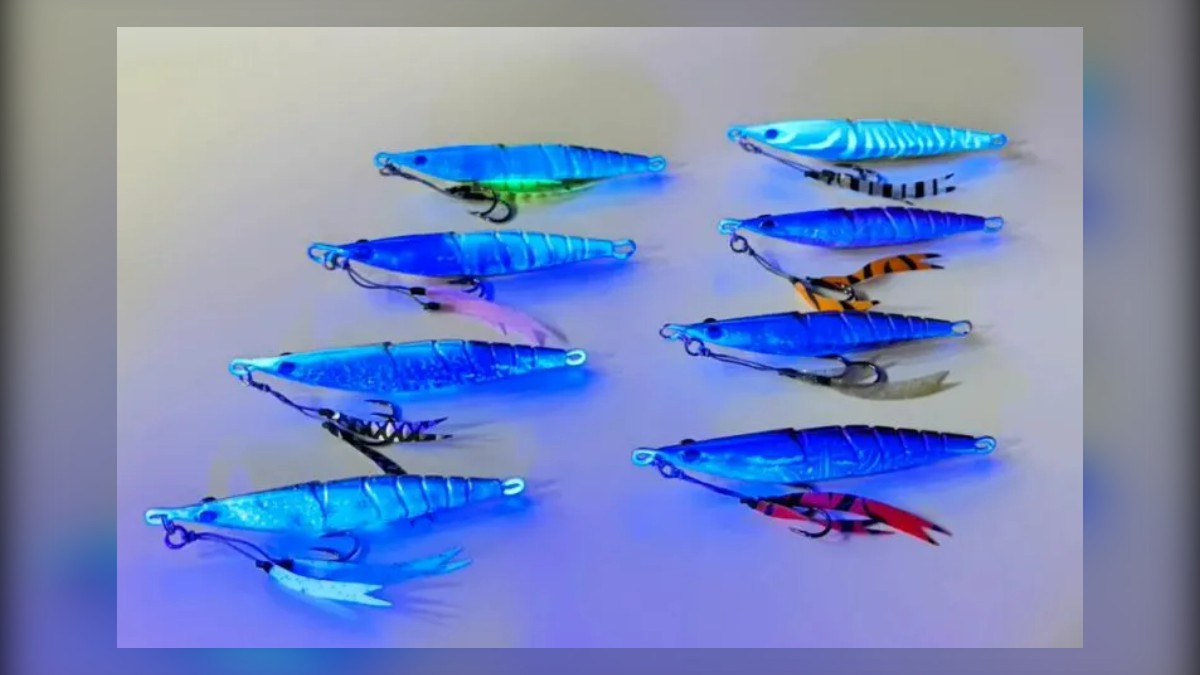
There are five colours: Blue Pink Zebra Glow, Silver Plated, Silver Zebra Glow, Yellow Plated and Pink Plated. All are plated with UV (keimura) paint. Everything up to 60 g costs under ¥1,000, and even 200 g is under ¥1,500. The 20–80 g jigs come with hooks, so you can use them straight away. The 100 g and 160 g have no hooks, which suggests they are also aimed at offshore jigging.
The weight is set towards the back. A rear-weighted jig sinks straight and fast, with less resistance. In fast current, light or high-drag jigs get swept away and you cannot tell when they hit bottom. That means more snags and missing the depth you want. No.4 is designed so you feel a clear “tock” on the bottom even in strong current.
The heavy tail leads the cast, so it does not tumble in the air and flies straight. That is a big advantage when you need to reach distant feeding fish or beyond a rip current.
It darts sharply when jerked. On the 60 g and 80 g, the rear bladed single lets it swim straight on a steady retrieve. So it works for jerking for yellowtail and for straight retrieves for Spanish mackerel.
The eye and swivel use welded rings that turn smoothly and resist opening on strong fish. The multi-layer coating is said to stand up to the sharp teeth of Spanish mackerel and ribbonfish. Cheap jigs often lose their paint fast, so it is good to see that addressed.
| Rear weight (No.4) | Centre weight | |
|---|---|---|
| Sinking | Straight and fast | Slow, fluttering |
| Feeling the bottom | Easy | Hard in fast current |
| Distance | Long | A little shorter |
| Bites on the fall | Weaker | Stronger |
| Best for | Fast current, long casts, deep water | Slack current, getting bites on the fall |
For your first shore-jigging jig, I would pick a rear-weighted one. Casting far and finding the bottom is the foundation of everything. Rear-weighted jigs are weaker at drawing bites on the fall, so rotate to a centre-weighted or slow-fall jig on days when fish want a falling bait.
I think many anglers who struggle with shore jigging are not actually reaching the bottom. On fast-current piers and swell-hit beaches, people often start winding without knowing whether the jig has landed. Learning to feel the bottom with a rear-weighted jig like this is a shortcut to improving.
| Metal Jig No.4 | Jigpara | |
|---|---|---|
| Price | ¥749–1,496 | Affordable standard |
| Weight balance | Rear | Varies by model |
| Colours | 5 (all plated + UV) | Very wide range |
| Where to buy | Mainly online | Tackle shops all over Japan |
| Strengths | Bottom contact in current, welded rings, tough coating | Range, track record, availability |
I would use No.4 on fast-current or deep spots, and Jigpara for everything else. Both are affordable, so there is no harm carrying both.
| Metal Jig No.4 | Metal Jig No.1 | |
|---|---|---|
| Weights | 20–200 g | 60–200 g |
| Price (inc. tax) | ¥749–1,496 | ¥693–999 |
| Shape | Rear-weighted | Slim, asymmetric |
| Strength | Bottom contact in current, distance | Erratic darts and falls |
| Best for | Shore jigging, fast-current spots | All-round shore and offshore |
No.1 is even cheaper, but starts at 60 g. For shore jigging with 20–40 g jigs, No.4 is the one.
In paint quality, colour detail and finish, premium jigs from the big brands still have the edge. But losing jigs is normal in shore jigging. The rougher the ground and the more you lose, the more a cheaper jig makes sense. I would use No.4 on rocky shores and around tetrapods, and save premium jigs for clean surf or the peak of a bite window.
| Situation | Weight |
|---|---|
| Harbours, small piers | 20 g, 30 g |
| Surf, typical piers | 30 g, 40 g |
| Fast-current piers, rocks | 40 g, 60 g |
| Big yellowtail, long casts from rocks | 60 g, 80 g |
| Offshore jigging | 100–200 g |
| Colour | When |
|---|---|
| Blue Pink Zebra Glow | The default, from dawn through the day |
| Silver Plated | Sunny days, clear water, sardine bait |
| Silver Zebra Glow | Low light, deep water |
| Yellow Plated | Murky water, cloudy days |
| Pink Plated | Dawn, when you want strong appeal |
Some colours use an original “turquoise glow” close to the colour of bioluminescent plankton. I would start with Blue Pink and Silver, plus Yellow for murky water.
| Item | Light shore jigging (20–40 g) | Shore jigging (40–80 g) |
|---|---|---|
| Rod | 9–10 ft, M–MH | About 10 ft, MH–H |
| Reel | About 4000 size | 5000–6000 size |
| PE line (Japan no.) | 1–1.5 | 1.5–3 |
| Leader | Fluorocarbon 20–30 lb | Fluorocarbon 40–60 lb |
At this price and quality, think of it not as a throwaway jig, but as a properly usable jig that does not hurt to lose.
The worst thing in jigging is being too scared of losing jigs to fish the right places. Fish are usually where jigs get lost: tight to structure, in current seams, right on the bottom. An affordable jig that still finds the bottom lets you fish those places with confidence.