How to Customize the DUEL Monster Shot
minagiman
Minagiman's Fishing Adventures in Japan
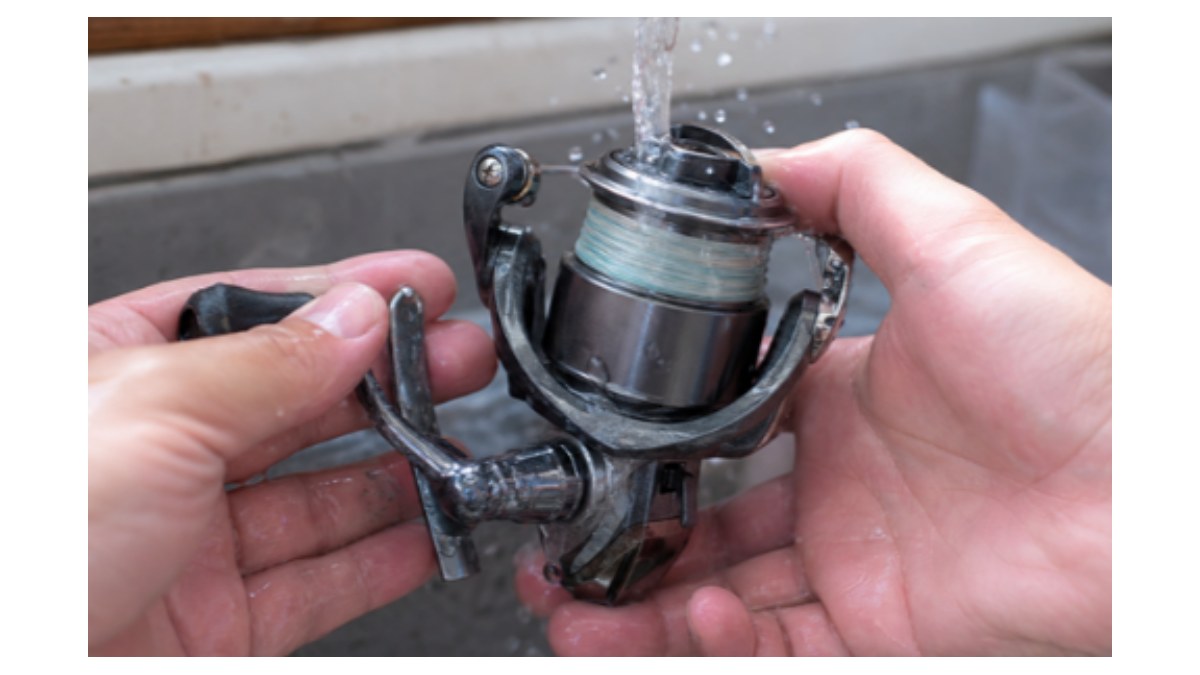
Do you rinse your reel under hot water when you get home? That may actually be shortening its life. Based on Shimano’s instruction manuals and Daiwa’s official guidance, here are the washing mistakes to avoid and the right routine. It only takes five minutes.
The most common reel problems are a gritty feel, heavy winding and a handle knob that will not turn. Most come from salt or sand left behind, or from washing the wrong way and flushing out the grease inside.
It seems hot water would remove salt better, but it does the opposite. Shimano’s manual clearly says not to use warm water because it may wash out the grease. That grease protects the gears, so always use cold fresh water.
With a loose drag, water gets into the drag washers inside the spool. Both Shimano and Daiwa say to tighten the drag before washing.
Submerging the reel lets water in through the gaps. Shimano’s manual warns against submerging the reel body. Just rinse it briefly under a shower.
Shimano advises against hair dryers and direct sunlight because they trap humidity inside. Dry it in a shady, airy place.
More is not better. Be especially careful with the roller clutch (the anti-reverse part) and the inside of the rotor. Grease there can stop the anti-reverse working and let the handle spin backwards.
| Mistake | What happens |
|---|---|
| Hot water | Grease washes out, causing gear wear and a gritty feel |
| Loose drag | Water gets into the drag; drag becomes inconsistent |
| Submerging | Water gets inside; bearings and gears rust |
| Hair dryer or sun | Humidity gets trapped inside |
| Too much grease | Anti-reverse may stop working |
Daiwa’s beginner guidance says to tighten the drag on a spinning reel and pour water from the drag side: spool up, water flowing from top to bottom. Strong spray from below makes it easier for water to get into the body. Low pressure is fine; the aim is to dissolve and wash away salt, and one or two minutes is enough.
Shimano’s manual (for the 21 Nexave) gives this guide:
| Item | Detail |
|---|---|
| When | After washing and drying |
| How often | Once every five trips, and once if your next trip is more than a month away |
| How much | About one second of spray |
| Oil points | Line roller, main shaft (base of the shaft with the spool off) and others |
| Grease points | Handle shaft, moving parts of the arm cam |
| Use | The maker’s own oil and grease |
The part that suffers most at sea is the line roller. Wet line constantly runs over it, and if it seizes it causes tangles and line twist. If it feels sticky, check here first.
Reels differ in construction, so always check your own manual. Shimano publishes manual PDFs on its support site.
Use the same maker’s products as your reel; Shimano’s manual says it cannot guarantee quality with non-genuine products.
| Shimano | Daiwa | |
|---|---|---|
| Standard product | Reel Maintenance Spray (oil and grease set) | Reel Guard Spray Set (oil and grease) |
| For | Shimano reels | Daiwa reels |
If you put the reel on the sand and it now grinds when you wind, do not keep winding: sand gets into the gears and bearings and spreads the damage. Rinse off surface sand with fresh water first. If the grinding stays, sand is probably inside, so send it for an overhaul. Better still, use a rod stand so the reel never touches sand.
If it was hit by a wave or dropped in, wash it in fresh water as soon as you get home and dry it well in the shade. If winding feels off, get it overhauled soon; rust spreads inside over time.
A handle knob or line roller that will not turn is often salt build-up. Daiwa notes that seawater causes rust and salt seizure that can stop the knob turning. If washing does not fix it, the bearing needs replacing.
Leaving tackle in the car after fishing is the most common mistake. A hot, humid car is the worst place for a reel.
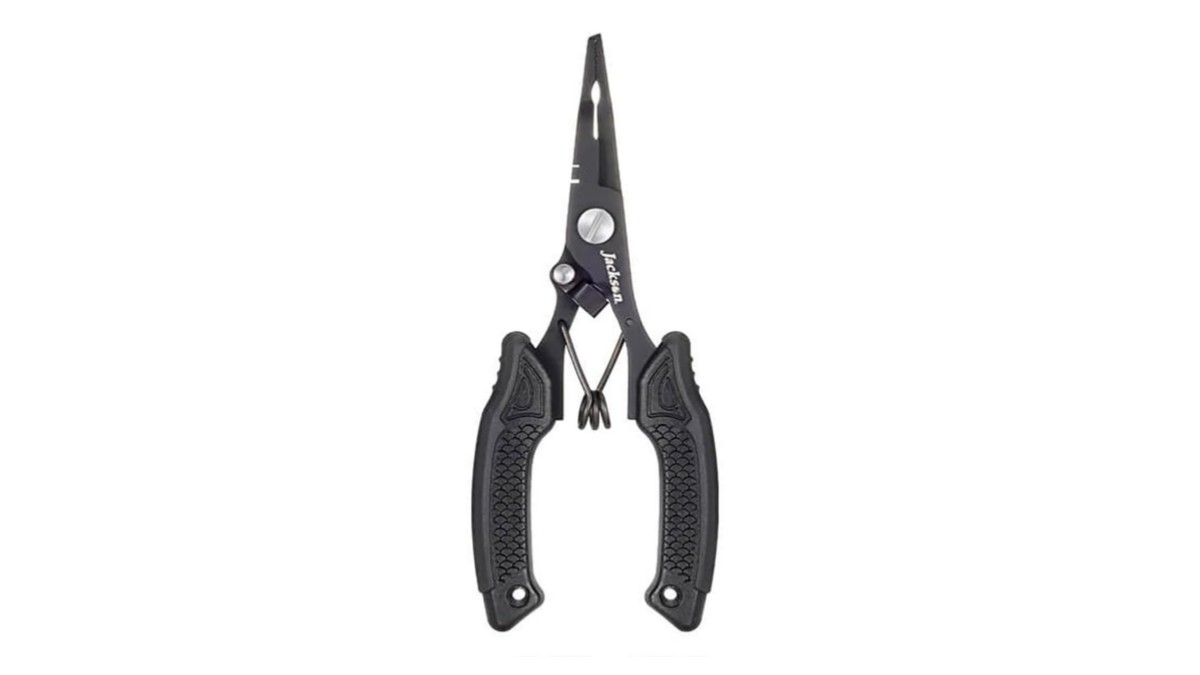
Daiwa advises rinsing rods, wiping them dry and drying them in the shade, using a mild detergent on very dirty areas. Salt builds up at the base of the guides, so pay attention there. Just rinsing lures and pliers with fresh water and drying them makes a huge difference to rust.
A reel’s lifespan is decided by the five minutes after you fish, not by its price. A ¥10,000 reel washed properly every time will run well for years; even a Stella left unwashed can feel heavy within a season. The surf, with salt, sand and spray, is the harshest place for a reel, so make “tighten drag, rinse cold, dry in shade, oil lightly” a habit. If it starts to feel wrong, do not take it apart yourself; send it for an overhaul. Tip: wash the reel before you clean the fish, and you will never forget.
Related: drag setting guide.