How to Set Your Drag for Shore Lure Fishing (and Why One Third Is the Rule)
minagiman
Minagiman's Fishing Adventures in Japan
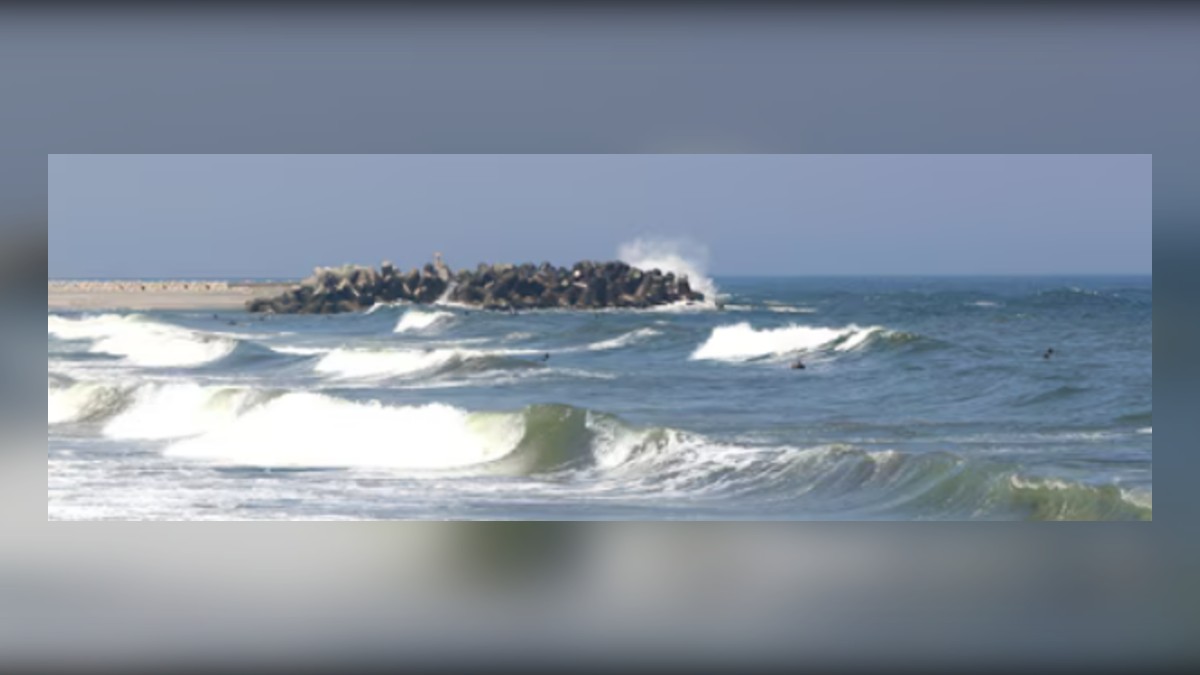
A beach looks the same from end to end. It is not, and the fish know it. On any given morning, most of a beach holds nothing and a few specific places hold almost everything. The difference between a good surf angler and a tired one is mostly the five minutes spent looking before the first cast.
You only need to read three things.
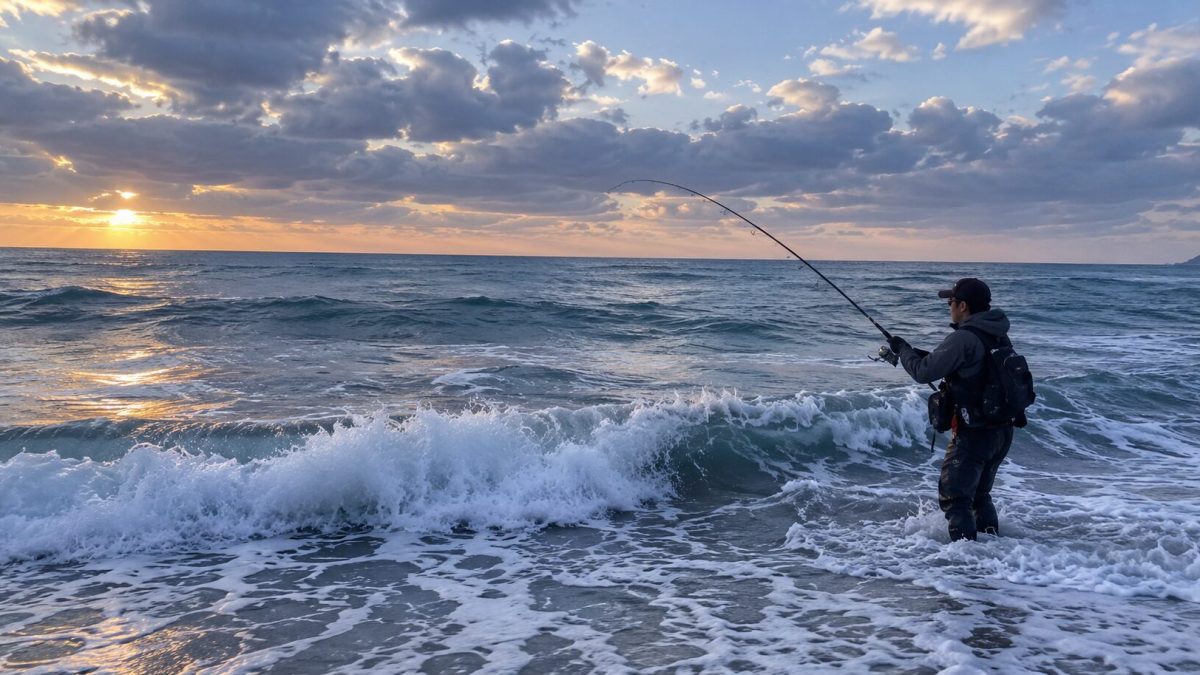
Waves break when they run into shallow water. So the surf is a map of the bottom, drawn fresh every few seconds.
Slightly stained water – what Japanese anglers call sasa-nigori, “bamboo-leaf cloudy” – is usually the best of all. Fish feel hidden enough to feed, but can still see the lure. Completely clear water makes them cautious; heavily muddied water means they cannot find the lure.
Foam and floating debris show you the current. If a line of foam is drifting out to sea through a gap in the waves, you are looking at a rip. If foam is swirling in one place, the current is turning there.
A rip is the most important feature on most beaches. Water pushed up the beach by waves has to go back out, and it does it through channels. Those channels carry bait, food and disoriented small fish out through the surf – which is why predators hang around them.
This is the part people get wrong. The centre of a rip is fast, and a lure thrown straight into it gets swept away and cannot be controlled. The fish are usually on the edges – the slower, swirling water beside the main flow, where bait gets trapped and a predator can wait without fighting the current. Japanese anglers call these swirls yore.
Cast across the rip, or along its edge, and bring the lure through the transition from fast water to slow. That seam is where the bites come.
At high tide, the bottom is hidden. At low tide, you can see most of it. Walk your beach at low water and note:
Then pick landmarks on shore – a post, a building, a gap in the dunes – that line up with each feature. When the tide comes back and hides everything, you can still find them.
The same currents that concentrate fish can take a person off a beach. A few things I take seriously:
| Step | What to look for |
|---|---|
| 1 | Where are waves breaking, and where are they not? |
| 2 | Where is the water darker? |
| 3 | Which way is the foam moving? |
| 4 | Where is the rip, and where are its edges? |
| 5 | Which landmark lines up with the feature I want to fish? |
Do this every time, even on a beach you know. Sand moves after every storm, and last week’s gutter may be this week’s bar.