Tide, Wind and Swell: How to Decide Whether to Fish the Beach
minagiman
Minagiman's Fishing Adventures in Japan
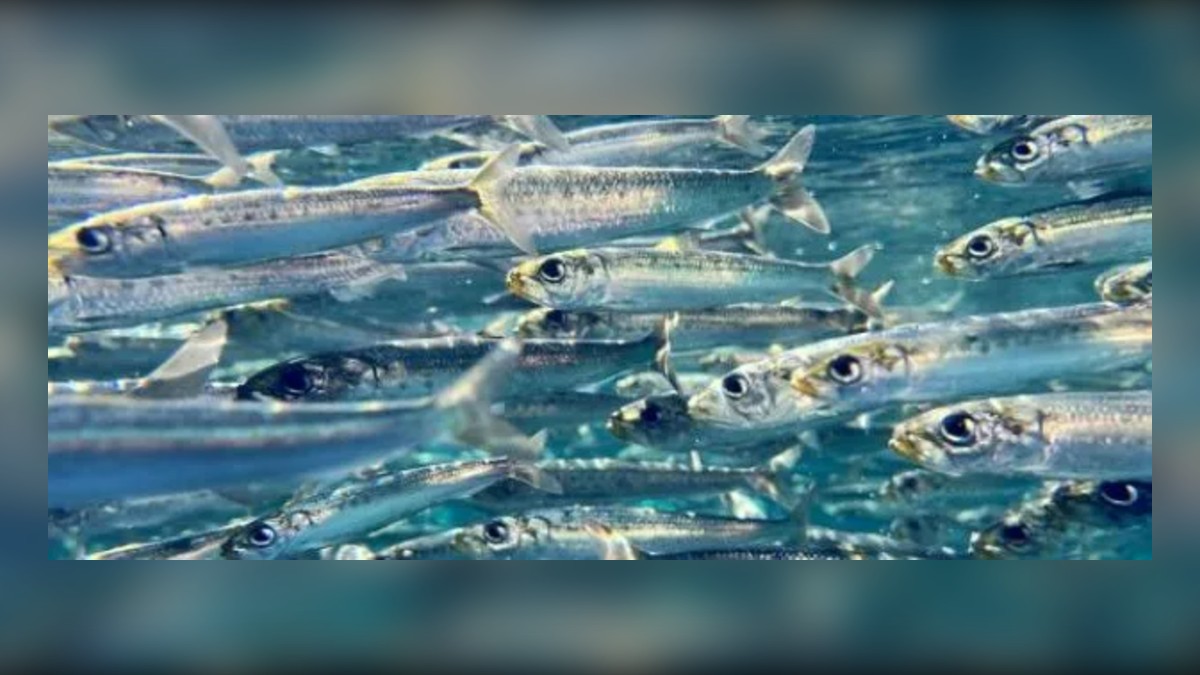
The most common complaint on a Japanese beach in autumn is this: “The water is full of bait and nothing will eat.”
The surface is fizzing, small fish are obviously there, and every lure you throw comes back untouched. It is not bad luck. Usually it means you have seen that there is bait but not read what it is and how big. This is how to read the bait on a beach and match it.
The second one matters most. Throwing a big lure all day when the bait is small is the single most common way to blank on an autumn beach.
| Bait | Rough size | How to spot it |
|---|---|---|
| Japanese anchovy (katakuchi-iwashi) | 5-10 cm | Silver, packed into tight schools. When chased, the whole school breaks the surface at once |
| Japanese sardine (ma-iwashi) | 10-18 cm | Bigger and deeper-bodied than anchovy. Often further out |
| Whitebait and fry (shirasu) | 2-5 cm | The surface shimmers with tiny ripples. Individual fish are hard to see |
| Gizzard shad (konoshiro) | 15-25 cm | Big. Jumps with a heavy splash. Common around river mouths |
| Sweetfish dropping downriver (ochi-ayu) | 10-20 cm | Around river mouths in autumn |
This is the core of it – what English-speaking anglers call matching the hatch.
| Bait size | Lure | Approach |
|---|---|---|
| 2-5 cm (whitebait) | Small metal jigs, slim sinking pencils, small soft plastics | The hardest. You need a way to make one fake stand out among thousands of real ones |
| 5-10 cm (anchovy) | 9-11 cm minnows and sinking pencils, 30-40 g jigs | The autumn baseline. Get this right and you will usually catch |
| 10-18 cm (sardine) | 12 cm-class plugs, bigger jigs | Size up. Big fish are more likely |
| 15-25 cm (gizzard shad) | Big minnows and big sinking pencils | A big-bait pattern for large seabass and yellowtail |
The 5-10 cm anchovy is the one to build your box around in autumn. A lure of 9-11 cm is the centre of it. On the lure side, the Silent Assassin 99 and 120 sit right in that band; the Hikage 125S is a sardine-size lure and too big on an anchovy day.
The toughest autumn days on a beach are when whitebait or very small anchovy pour in. The reason is simple: the predators have more food in front of their mouths than they can eat. They have no reason to pick your lure. Japanese anglers call it the micro-bait pattern.
Try these, in this order:
If you have matched the size and still nothing, the problem is usually not the bait.
| What the bait is doing | What it means | What to do |
|---|---|---|
| Swimming calmly | Nothing is chasing it – no predators | Move, or wait for them to arrive |
| Scattering in panic | There is definitely something under it | Work the edges and the bottom of the school. Keep casting |
| Only the surface is lively | Everything is concentrated high | Run a lure fast through the top layer |
| Bunched up well offshore | You may not be reaching it | Switch to a distance lure |
The real signal is not whether there is bait. It is whether the bait is being chased. A calm school means you are probably early or in the wrong place.
Bait can be there even when you cannot see it. Look for:
Bait is not spread evenly along a beach. It collects where current collects – which means around rip currents. If you know how to read a surf beach, you already know where to look. In autumn, walking until you find signs of bait and then settling in beats standing in one spot all morning.
Bait movements change week to week as the water cools. Where it was last week may be empty this week. The anglers who do well in October are the ones who keep turning up and following it – and the arrival of bait is also what brings the yellowtail in; the timing is in Japanese yellowtail from the beach.
You do not need to. Size alone is enough. Even three categories – small, normal, big – changes your lure choice a lot. Start by judging the size of the fish you see jumping.
Not necessarily. Bait can be passing underwater without showing. But if you have fished an hour with no sign of anything, the decision to move should be made early.
Do not cast straight into it. You will scatter the school. Land your lure just beyond it or just short of it and bring it along the outside. People who throw straight in usually get one chance and ruin it. Stay calm here.