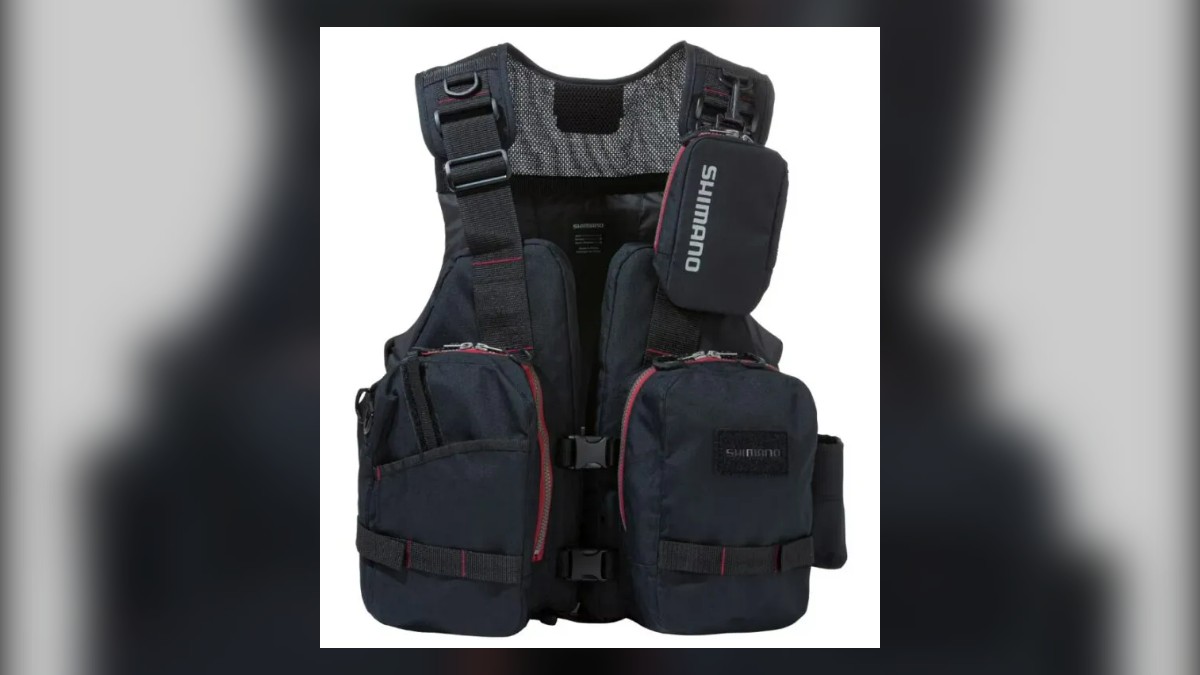
Shimano Game Vest VF-278Z: Carry Your Lures on Your Hips, Not Your Shoulders
minagiman
Minagiman's Fishing Adventures in Japan
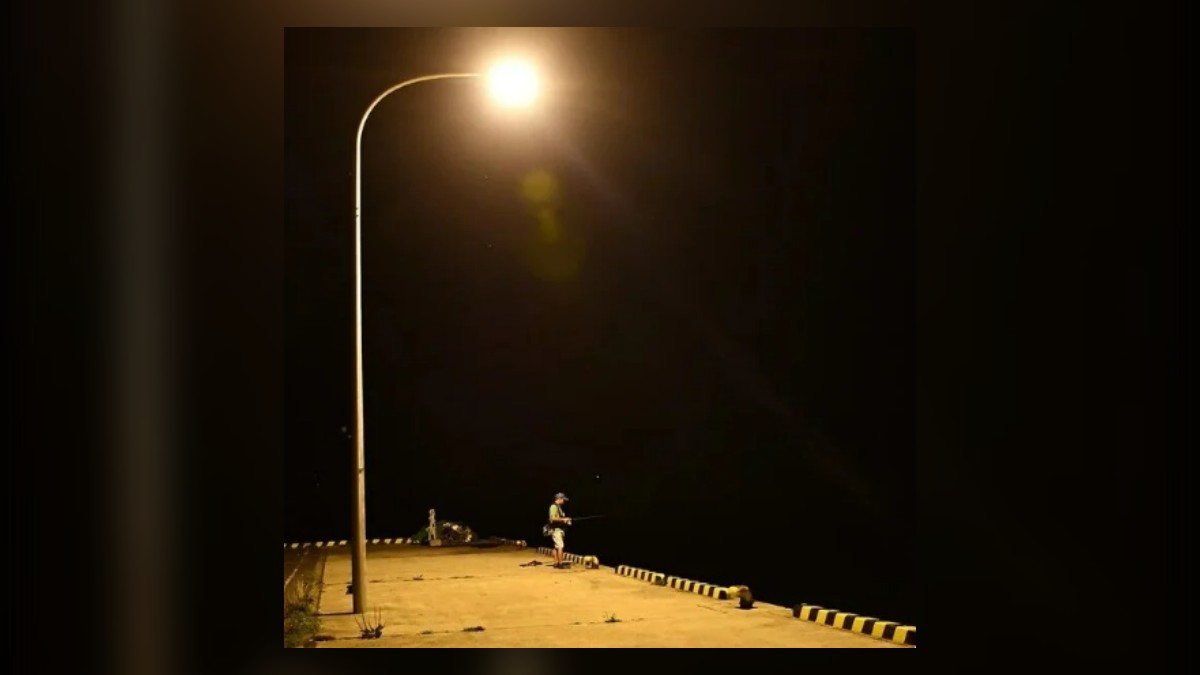
When the surf gets too cold, many Japanese anglers switch to ajing — light-lure fishing for aji (Japanese horse mackerel). An hour or two after work under a pier light, with super-light tackle: easy to start, but deep enough that people get hooked. Here are the basics for beginners.
Ajing means catching aji with a tiny jighead and soft plastic. You use lures of just a few grams and hook very small bites — that game-like feel is why it is so popular. Aji are around all year, but pier ajing peaks from autumn into winter, and November to March is the classic night-time season.
| Item | Guide | Approx. cost |
|---|---|---|
| Rod | 5–6 ft dedicated ajing rod (UL–L) | 10,000–15,000 yen |
| Reel | Light 1000–2000 spinning reel | 10,000–15,000 yen |
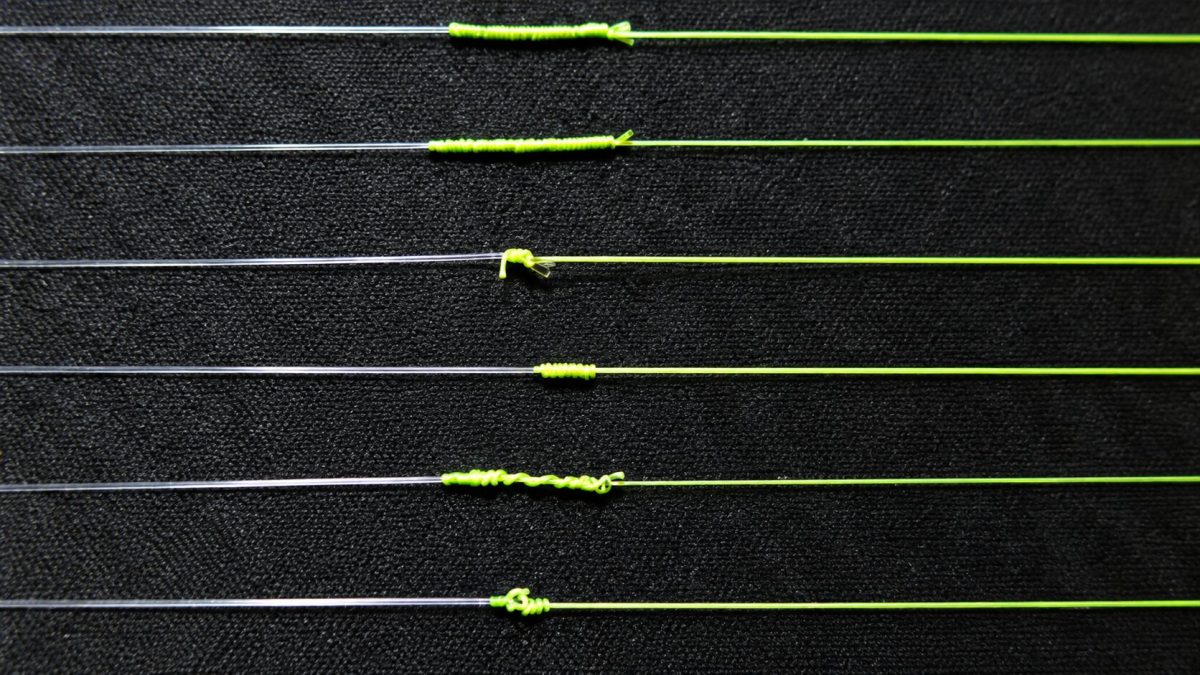
| Main line | Ester #0.3 (or PE #0.2–0.3) | ~1,500 yen |
| Leader | Fluorocarbon #0.8–1 | ~1,000 yen |
| Jigheads | 0.6–2 g | 300–500 yen a pack |
| Soft plastics | 1.5–2 inch | 400–500 yen a pack |
| Others | Headlamp, scissors, fish grip | a few thousand yen |
Entry series such as Shimano’s Soare BB or Daiwa’s Gekkabijin are a safe start.
| Line | Character | Best for |
|---|---|---|
| Ester | Very little stretch, high sensitivity, handles light jigheads well — but weak against sudden shock | Dedicated ajing |
| PE | Strong and casts far, but catches wind and can be awkward with very light jigheads | Sharing with mebaru and other fishing |
For dedicated ajing, ester #0.3 with a #0.8–1 fluorocarbon leader is today’s standard. Set the drag light because ester snaps on sudden shocks.
| Weight | When |
|---|---|
| 0.6–1 g | Light wind, aji shallow — the basic weight |
| 1–1.5 g | Some wind, searching mid-depths |
| 2 g+ | Strong wind, fast current, deep fish |
Start with 1 g. Go lighter if the aji are high, heavier to get down if nothing bites.
Where: pier lights, specifically the line between light and shadow. Aji often wait on the dark side for food drifting into the light.
| Time | Notes |
|---|---|
| Dusk | Aji activity rises around sunset — the best chance |
| Night (lights) | Aji around the lights — the main winter window |
| Dawn | Also good, but very cold |
Sunset is early in winter, so even an hour or two from around 5 pm gives you a real chance — even better if it coincides with tide movement.
Ajing bites are tiny — a tick, or the line suddenly going light. Set the hook with a quick flick of the wrist as soon as you feel anything. Once you catch one, repeat the same count and retrieve speed: aji travel in schools.
Piers get much colder at night than you expect. Bring a warm jacket, gloves, a neck warmer and hand warmers; fingerless gloves help you feel the line. Footing is hard to see at night, so always use a headlamp and life jacket, stay out of restricted areas, and do not shine your light on the water when others are fishing nearby.
Winter makes surf and rock fishing tough, so short sessions on a nearby pier are a great way to keep fishing — and aji are delicious. The entry barrier is low, but one gram of jighead or one second of count can change everything. Find the depth they are at, then repeat the same thing. Sashimi, namero (chopped with miso) or aji fry after a cold night session is hard to beat.