Spanish Mackerel (Sawara, Sagoshi) From the Beach: Lures and How to Stop the Bite-Offs
minagiman
Minagiman's Fishing Adventures in Japan
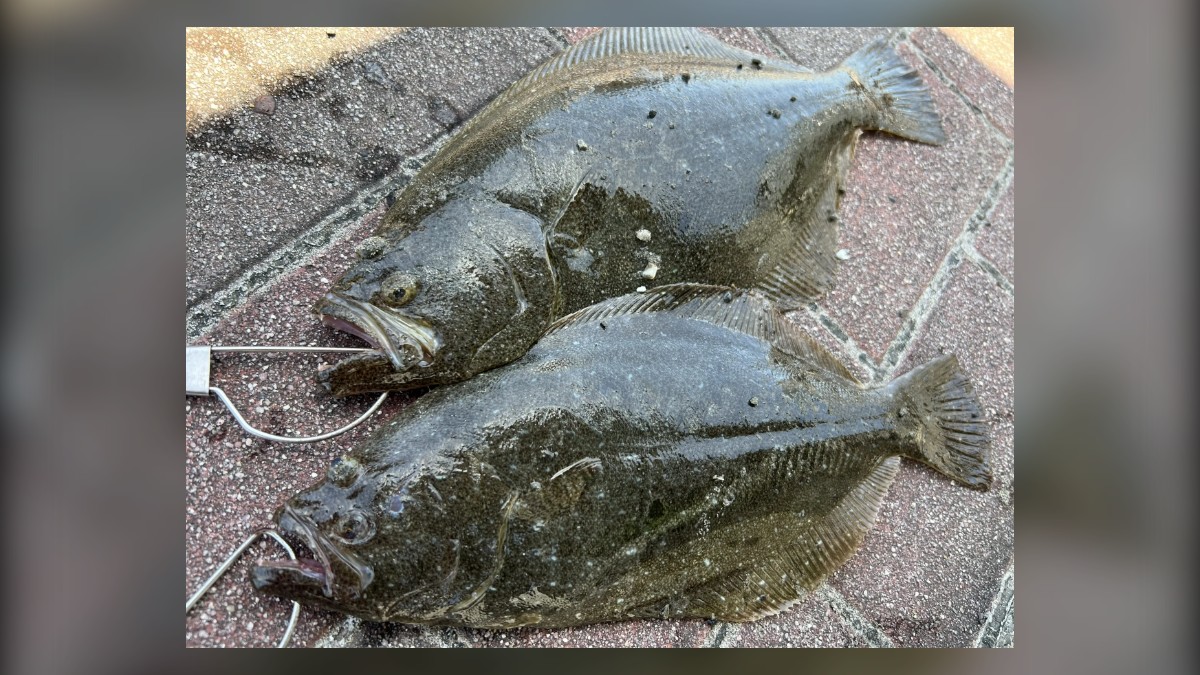
Winter surf beaches in Japan are quiet and nearly empty — and this is when you have a real shot at a “zabuton” (cushion-sized) Japanese flounder. Flounder caught in the cold months are called kan-hirame (winter flounder): thick, fatty and delicious. Here is how fishing them differs from autumn.
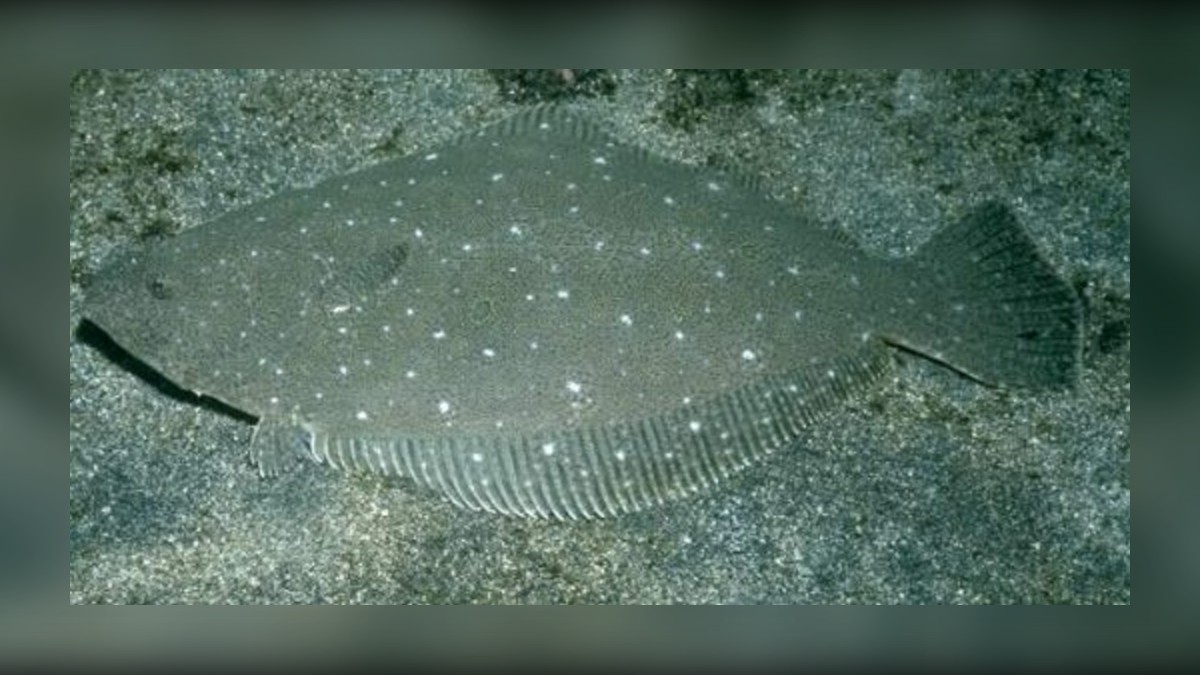
Kan-hirame are flounder (Paralichthys olivaceus, “hirame”) caught roughly from December to February. Before spawning they build up reserves, so they are thick and rich. Autumn is the season for numbers; winter brings fewer fish but bigger, more valuable ones — and the autumn approach often stops working.
| Autumn (Sep–Nov) | Winter (Dec–Feb) | |
|---|---|---|
| Numbers | Many, lots of bait | Fewer — sometimes one chance a day |
| Size | Small to medium (soge) | Chance of big zabuton |
| Bait | Sardines, gizzard shad, plenty | Less — chances come when bait moves in |
| Activity | High, chase fast lures | Lower — slow presentations work |
| Anglers | Crowded | Few (easier to pick spots) |
On Japan’s Pacific coast, flounder tend to spawn from late winter into spring. In the run-up they fatten up, and cold water firms the flesh — which is why kan-hirame fetch high prices at market.
With fewer fish around, reading the beach and working the likely spots thoroughly matters more than ever.
| Time | Winter approach |
|---|---|
| Dawn | Still the main window, but sunrise is late and it is the coldest time |
| Midday (sunny) | Activity can pick up as water warms slightly |
| Dusk | Bait often moves in; sunset is early, so start from around 4 pm |
In autumn the dawn bite dominates, but in winter a calm, sunny day can fish well in the middle of the day.
| Lure | Winter role |
|---|---|
| Sinking pencil | Sink and swim slowly near the bottom — the main weapon |
| Lipless minnow / minnow | Shallows and dawn; choose ones that swim at low speed |
| Jighead + soft plastic | Drag slowly along the bottom — best when bites are scarce |
| Metal jig | Long casts to search; slow the retrieve down |
Slow-swimming lipless minnows such as the Shimano Nessa Nina 120S suit winter well, and surf jighead sets like the DUO Beach Walker Haul make soft plastics easy to cast far.
| Part | Recommendation |
|---|---|
| Rod | ~10 ft surf rod rated to about 40 g |
| Reel | Size 4000 |
| Line | PE 1–1.5 |
| Leader | 20–25 lb fluorocarbon (go heavier if you expect a zabuton) |
A 70 cm+ fish is hard to land in the shorebreak. Set the drag slightly light and use an incoming wave to slide it up the sand.
In winter, one bite a day is a good day. Make sure your hooks and drag are ready so you land it.
Wind and cold hands and feet are the main enemies. Bring gloves, warm socks and a neck warmer as well as a warm suit. Winter water is very cold and can quickly incapacitate you if you fall in — watch the waves and your footing when wading, and always wear a life jacket.
| Step | Tips |
|---|---|
| Dispatch | Spike the brain just behind the eyes |
| Bleed | Cut at the base of the gills and bleed in seawater |
| Chill | Into the cooler, bagged so ice does not touch the flesh directly |
| Age | Rest big fish 1–2 days in the fridge for more flavour |
Sashimi, kombu-jime (kelp-cured) and engawa (the fin muscle) are the classics; big fish give big engawa. Flounder can occasionally carry parasites, so check the flesh before eating it raw.
Winter surf fishing is cold and often slow, but the flounder are in a different class from autumn. Autumn is about numbers; winter is about landing one. Fish slowly, pick your spots carefully and stay flexible on timing — and when a zabuton comes up on an empty winter beach, it is a memory for life.