Ribbonfish (Tachiuo): The Japanese Autumn Fish That Signals Yellowtail
minagiman
Minagiman's Fishing Adventures in Japan
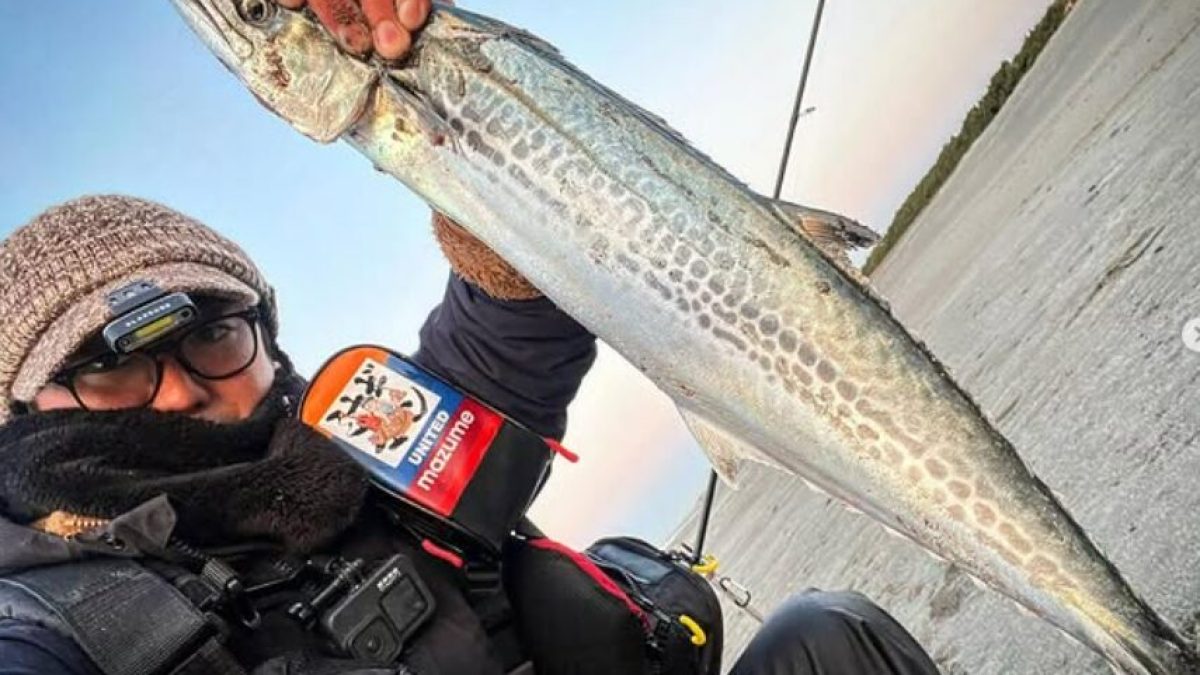
In autumn on a Japanese beach, Spanish mackerel turn up in numbers alongside the yellowtail. They pull hard, they come in schools, and they are very good to eat. The catch is the cost: more lost lures than almost any other fish you will target from the sand.
This is how to catch them, and – mostly – how to stop them biting through your line.
Japanese Spanish mackerel (Scomberomorus niphonius) is another “career fish” – it changes name as it grows. Names vary by region, but broadly:
| Rough size | Name |
|---|---|
| Up to about 40 cm | Sagoshi (also sagochi) |
| About 40-60 cm | Nagi (regional) |
| 60 cm and up | Sawara |
The kanji for sawara, 鰆, contains the character for spring, and people assume it is a spring fish. That comes from western Japan, where the fish move into the Seto Inland Sea to spawn in spring. On the Pacific surf, autumn to early winter is the main season.
Japanese anglers have a name for this fish when it cuts them off: the sagoshi cutter.
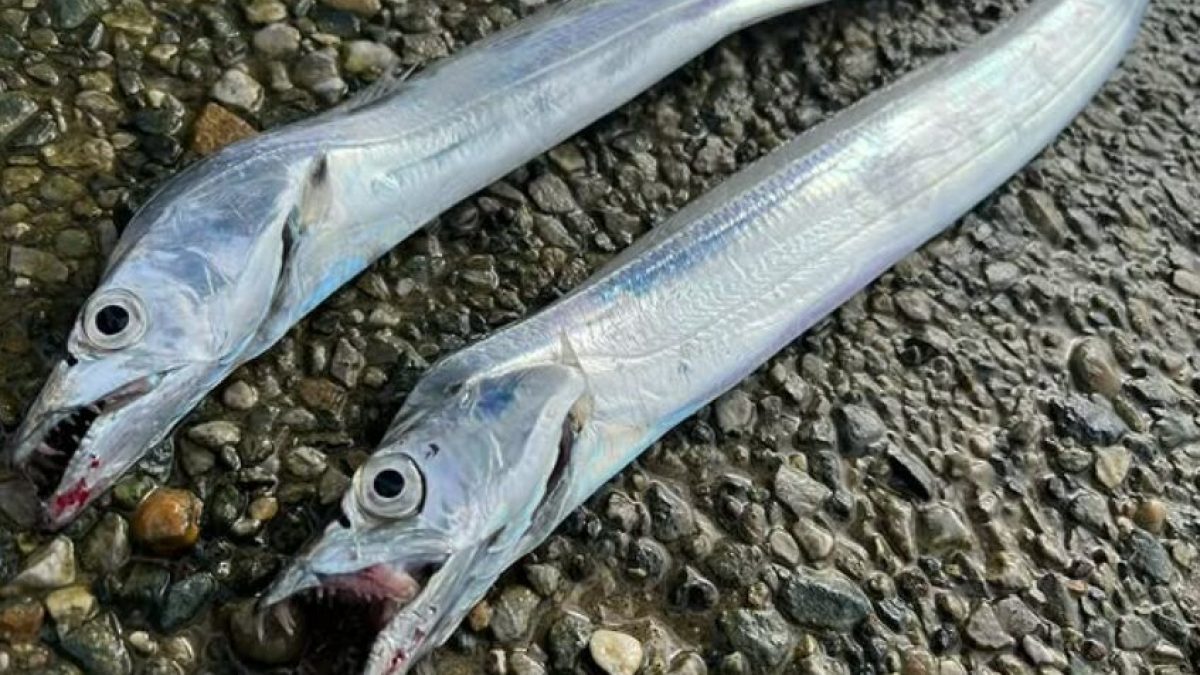
Their teeth are like razors. They go through fluorocarbon leader and even PE braid in an instant. Spanish mackerel shake their heads sideways when they bite, so as they grab the lure their teeth swipe across the line – and it is gone.
It also happens mid-fight. The fish shakes its head, the teeth touch the leader, and the line parts. If it felt heavy and then suddenly went weightless, that is usually what happened.
The most practical fix. Use a fluorocarbon leader one or two sizes heavier than your normal shore-jigging setup, and keep plenty of length. It will not stop every cut-off, but more contact will survive. The general pairing logic is in the PE line and leader guide.
Thicker does not mean zero losses. Fish this knowing you will be cut off, and carry spares.
Wire stops bite-offs completely, but on a beach it is awkward to cast and is said to reduce bites, so few people use it all the time.
| Leader | Bite-off resistance | Downside |
|---|---|---|
| Normal fluorocarbon | Gets cut. Goes through leaders fast on a busy day | – |
| Heavy fluorocarbon | Better | Slightly less distance and lure action |
| Wire | Complete | Harder to cast. Can reduce bites |
A realistic approach: fluorocarbon as normal when mackerel are a by-catch while you target yellowtail, and wire only on days when mackerel are clearly the main thing around.
Spanish mackerel often hit from behind, so a hook at the rear of the lure picks up those bites. Jigs with a rear double hook, such as the Daiwa Samurai Jig R Spin, suit this fish well. More on hook setups in the metal jig guide.
Spanish mackerel are fast swimmers and react to fast lures. Speed up compared with yellowtail fishing.
30-40 g is the baseline; 40-60 g when you need distance.
These are roaming fish, so the catch depends on how many casts you get in while they are passing. Having to re-tie a leader just as a boil appears is exactly what you want to avoid – check the leader before it happens.
Try to swing the fish up and its teeth touch the line – gone. On a beach, do not lift it. Slide it up the sand on an incoming wave (how to land a fish in the surf).
Once it is on the sand, it is still dangerous. Keep your hands away from a thrashing fish’s mouth. Pin it with fish grips first, then remove the hooks. Do not grab it around the mouth with bare hands.
The flesh is soft and spoils quickly, so proper killing and chilling make a very visible difference. The steps are in how to bleed and chill a fish on the beach.
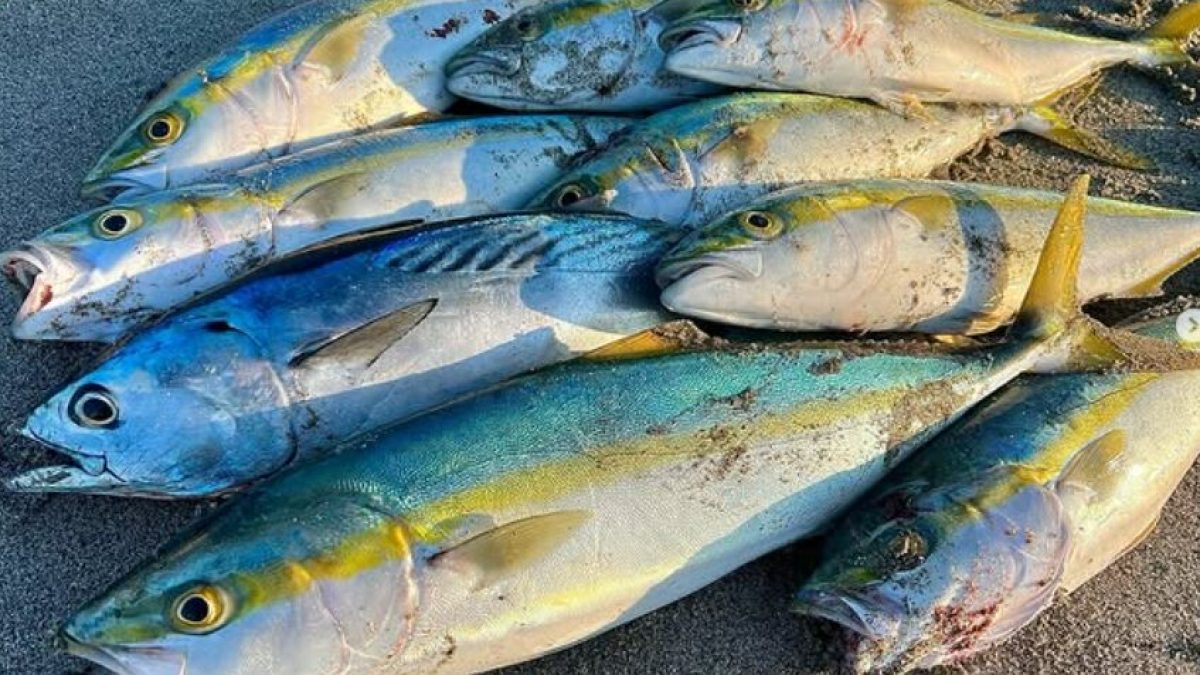
Usually the timing is simply offset. Small Spanish mackerel often arrive first, with yellowtail-size fish coming in after. Sagoshi starting to show is a sign the pelagic season is moving – see when yellowtail arrive.
On days thick with mackerel, build your rotation around cheap jigs. Save the expensive ones for when the fish are clearly fussy and lure choice actually matters.
It is a fish where handling makes a huge difference. “Watery” sagoshi has almost always been badly killed and chilled. Bleed it and chill it properly and even small ones eat well.