Five Lures for Japanese Flounder From the Beach, and When Each One Works
minagiman
Minagiman's Fishing Adventures in Japan
Every shore jigger knows the feeling: a good feeding window, a solid hit on a fast retrieve – and then nothing. Hook-ups at speed are hard. The tempting answer is to hang more hooks on the jig, which creates its own problems.
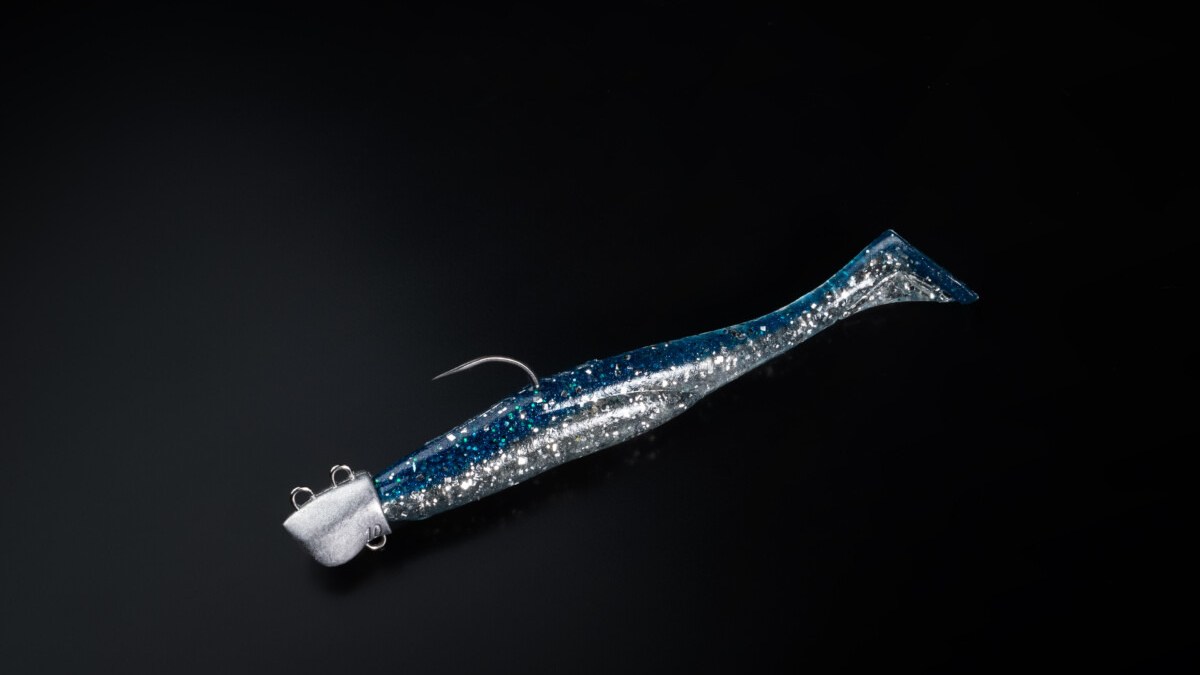
The Daiwa Samurai Jig R is Daiwa’s attempt to solve that with the hook system rather than the hook count, and it has become the jig I tie on first. This is a review from using it on the Enshunada surf.
There are four changes from the previous Samurai Jig, and all of them are about converting bites and casting further.
The front assist uses Daiwa’s Saqsas hooks – a slick, sharp coating that penetrates easily – dressed with tinsel, which matters when you are targeting bonito and mackerel. The assist is also shorter than on the old model, which makes hook-ups more reliable and improves the chance of actually landing what you hook.
The head is slimmer than before. That makes the jig respond faster, and it handles everything from big sweeping jerks to small, quick twitches.
The centre of gravity sits further back than on the old model. Two benefits: it casts further, and on a fast retrieve the action stays stable instead of blowing out.
The rear treble is now heavy-wire, so it holds up when a bigger fish turns up.
| Weight | Length | Front hook | Rear hook | JP list price (yen) | UV colours (yen) |
|---|---|---|---|---|---|
| 20 g | 75 mm | Ise-ama #11 | Treble #8 | 680 | 730 |
| 30 g | 83 mm | Ise-ama #13 | Treble #6 | 710 | 760 |
| 40 g | 92 mm | Ise-ama #13 | Treble #5 | 770 | 820 |
| 60 g | 105 mm | Ise-ama #15 | Treble #3 | 850 | 900 |
Ise-ama is the hook pattern used for the front assist. Prices are Japanese list prices; what you pay outside Japan will differ. It is also an inexpensive jig, which matters on days when you are losing them to Spanish mackerel teeth.
| Group | Colours |
|---|---|
| Standard | Pink Iwashi, Ma-iwashi (sardine), Blue-Pink, Aka-Kin (red-gold), Green Gold, Zebra Glow, Iwashi Glow Belly, Silver |
| UV | UV Real Iwashi, UV Real Blue-Pink Iwashi |
| Sagoshi (Spanish mackerel) set | Blue-Pink Iwashi, Green-Gold Zebra, Fuyajō, UV Mekki Orange, UV Full Mekki |
| Lumi (glow) | Full Luminova, Lumi Purple Zebra, Lumi Pink Zebra, Lumi Aka-Kin Zebra, Lumi Iwashi Zebra |
Iwashi means sardine, aka-kin red-gold, mekki plated/chrome. The dedicated Spanish mackerel colour set tells you who Daiwa built this for.
First impression: it is sharp, and easy to jerk. It cuts through the water cleanly and you can feel what it is doing.
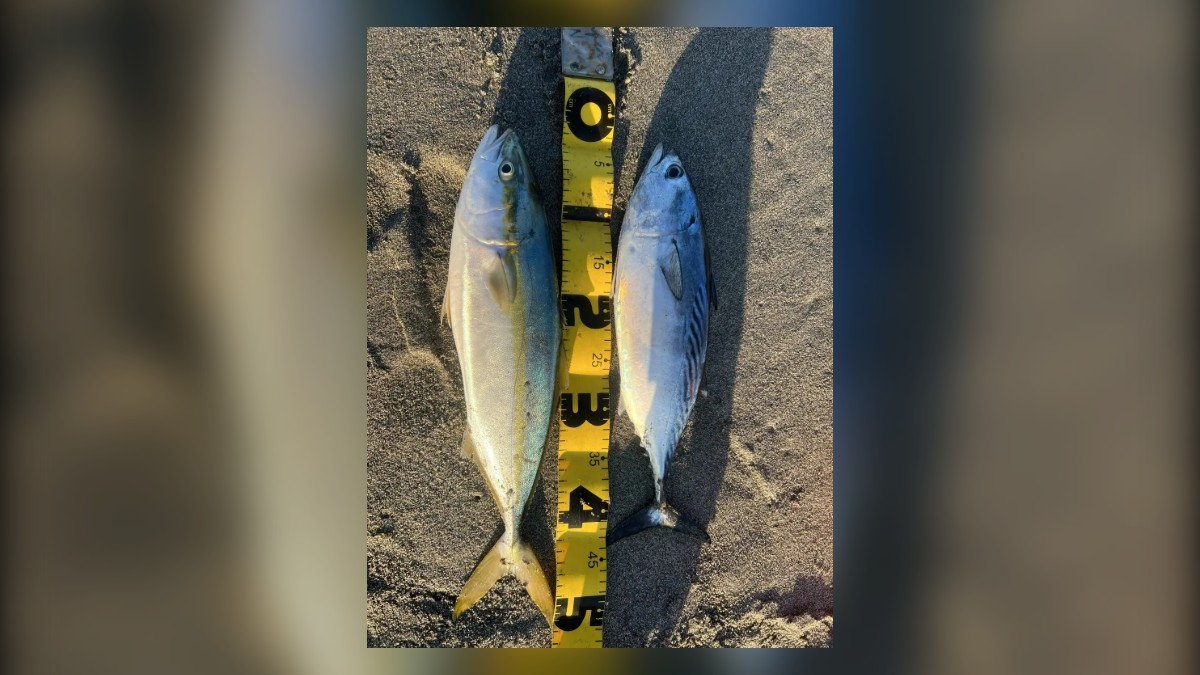
The day I first fished it properly, at Tahara in November 2024, we hit a proper feeding window. I was jerking it fast when a heavy fish hit hard and ran – I was hoping for a warasa. It turned out to be an inada of about 48 cm.
Later, letting the jig flutter on the fall, I hooked something that fought stubbornly – not as hard as a warasa, but enough to keep me guessing. It was a kawakawa (suma).
That summed it up: it caught on a fast jerk and it caught on the fall. You can work it hard or give the fish a pause to eat it, which is exactly what you want from the first jig you tie on.
For line and leader on this kind of setup, PE 1.5-2.0 with a 30-40 lb leader is standard – details in the PE line and leader guide.
In July 2026 Daiwa added the Samurai Jig R Spin double hook, which puts a double hook at the rear to reduce dropped fish and keeps a stable swimming attitude on a fast retrieve. On beaches where Spanish mackerel are mixed in with the yellowtail, that rear double hook is the reason to carry one – more in Spanish mackerel from the beach.
The Saqsas front assist is sharp and strong enough to keep foul-hooked fish on, and it comes into its own when you are working a jig fast. The jig casts properly in wind thanks to the rear weight, but still moves well once it is in the water. It belongs in every shore-jigging rotation as a pilot jig – the one you start with to find out what the fish want.