Ribbonfish (Tachiuo): The Japanese Autumn Fish That Signals Yellowtail
minagiman
Minagiman's Fishing Adventures in Japan
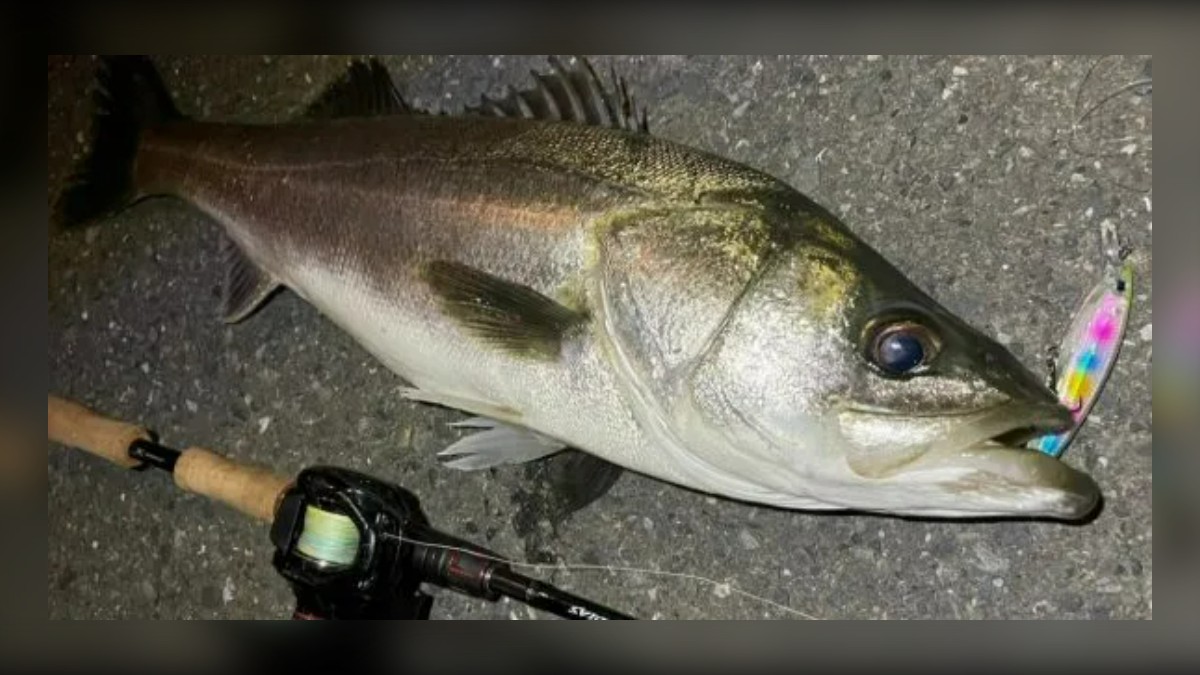
Autumn is the easiest time of the year to catch a Japanese seabass. You do not need clever technique. You do need to know what the fish are eating that month – get the bait wrong and a season that should be generous goes completely quiet.
This is the September-to-November seabass season explained month by month, with the lure rotation I use when I arrive at a spot.
| Japanese name | Suzuki (スズキ) |
| English name | Japanese seabass, Japanese sea perch |
| Scientific name | Lateolabrax japonicus |
| Small (Kanto names) | Seigo, then fukko as it grows |
| Large | Suzuki – and an 80 cm-plus fish is a “lunker” (rankā) |
| Where | Estuaries, rivers, harbours, surf beaches |
Like yellowtail, suzuki is a “career fish” whose name changes with size, and the names vary by region. Japanese anglers usually just say shībasu.
Two reasons: the fish need to eat, and there is a lot to eat.
The result is the one season where you can realistically aim for both numbers and size.
The bait changes through the autumn, and it gets bigger. So should your lures.
| Month | Main bait | Where to fish | Lure size |
|---|---|---|---|
| September | Inakko (juvenile mullet) and small bait | Estuaries, inside rivers, harbours | 7-10 cm |
| October | Ochi-ayu (spawning sweetfish), sayori (halfbeak) | Mid to lower river and estuaries, wherever there is current | 10-14 cm |
| November | Konoshiro (gizzard shad), sardine | Surf beaches and breakwaters facing open sea | 14-18 cm and up |
In late summer, schools of young mullet are still flickering on the surface in river mouths and harbours. When you find a school, work the edge of it, not the middle. Cast into the centre and the school scatters – and so does your chance.
Natural-moving sinking pencils and vibration lures work well. Soft plastics on a paddle-tail rig – the Coreman VJ type – are especially reliable while the bait is small.
This is the main event. Ayu (sweetfish) drop down the rivers to spawn, and seabass wait for them at the river mouths. The key point is that the bait is weak. A lure that swims hard looks wrong. What works is letting the lure drift with the current:
Use 12-14 cm floating minnows and wake baits – lures that still grab water and swim when you are barely winding.
As the water cools, huge schools of gizzard shad push in close, and the biggest seabass follow them. The rule here is simple: big bait, big lure. Big minnows and big baits of 15 cm or more do the work, and you will want a rod built to cast them.
A gizzard shad school shows as a bulge on the surface. With these, run the lure right underneath the school – the opposite of the September approach.
In autumn the fish are usually there, so the angler who shows them the most options wins. When I arrive at a spot, I work down through the water column:
Give each spot 15 to 20 minutes, then move. In autumn, the more water you cover, the more you catch.
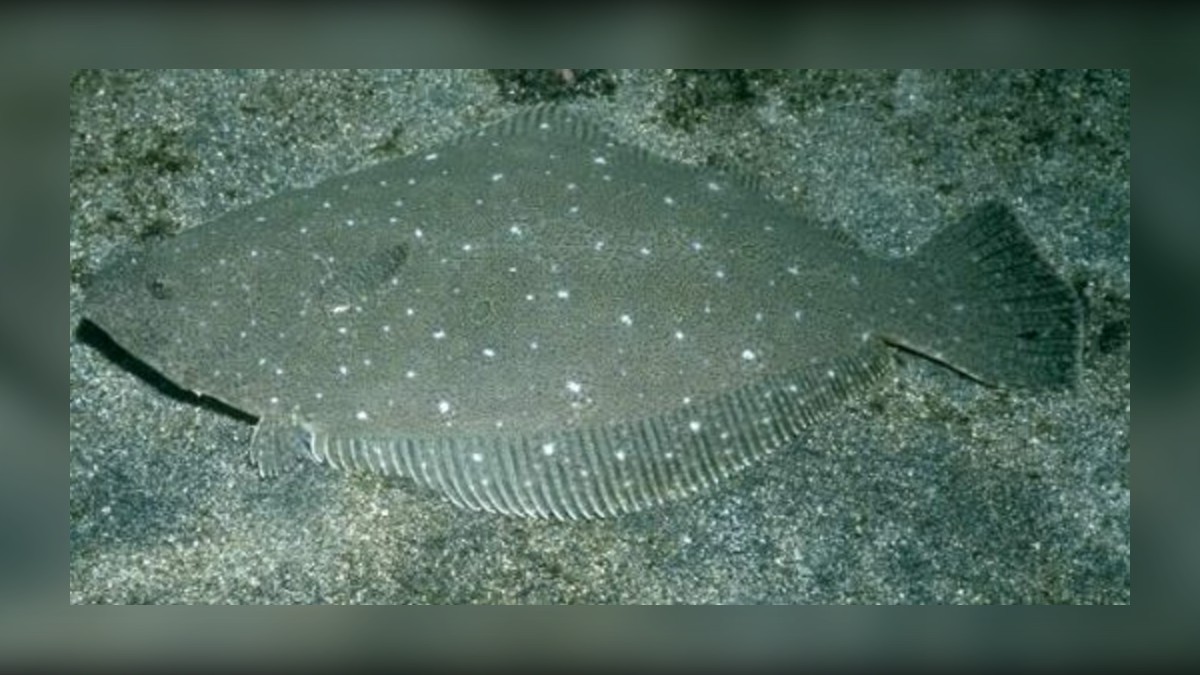
Autumn seabass come onto the sand as well. On Enshunada it happens every year: you are fishing for flounder and a seabass takes the lure instead. Flounder lures – minnows such as the Shallow Assassin and swimming jigs such as the Flipper iT38 – catch both. Fish the rip edges and gutters the same way you would for hirame; my guide to reading a surf beach covers where to look.
Autumn rain cools the water, adds colour and washes bait downstream. All three suit seabass, and the inflow of a rising river almost always holds fish.
But flooding rivers are dangerous. Banks collapse, current is stronger than it looks, and water levels can rise fast. If the river is high and brown and still climbing, do not go near it.
It is the season when seabass are at their most honest. Find the bait, put the lure where it should be, and the fish usually do the rest.