Rapala CrushCity Infiltrator Review (3" & 5")|Australia's New AFTA 2026 Award-Winning Soft Plastic
minagiman
Minagiman's Fishing Adventures in Japan
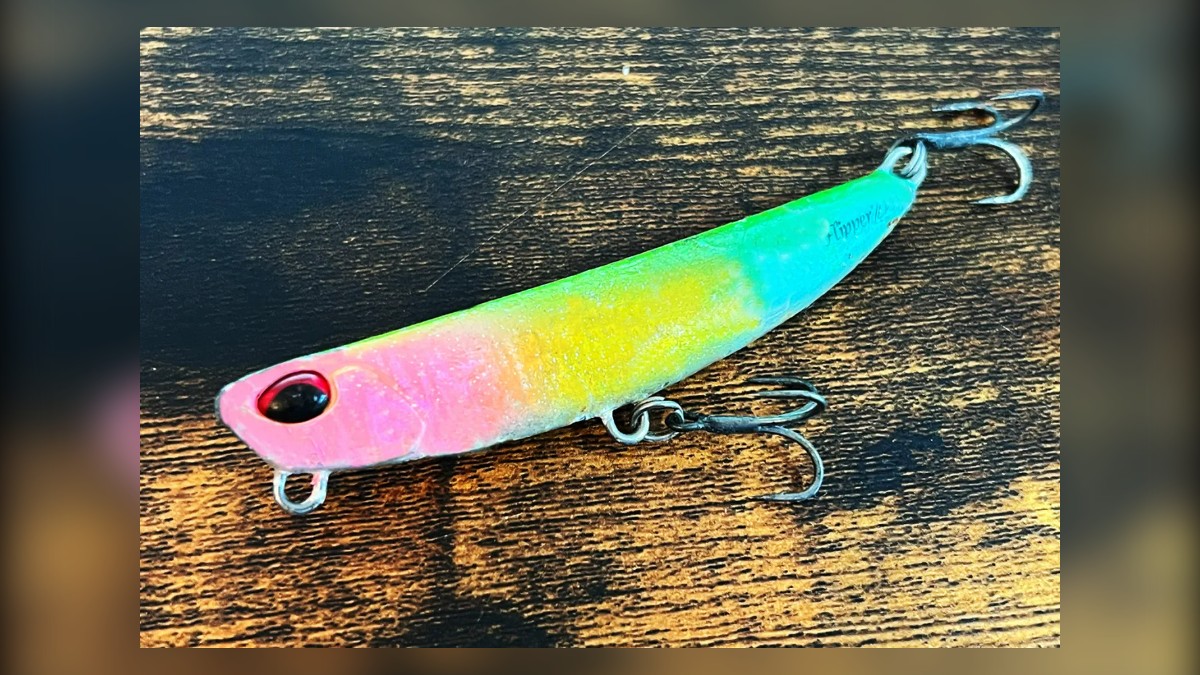
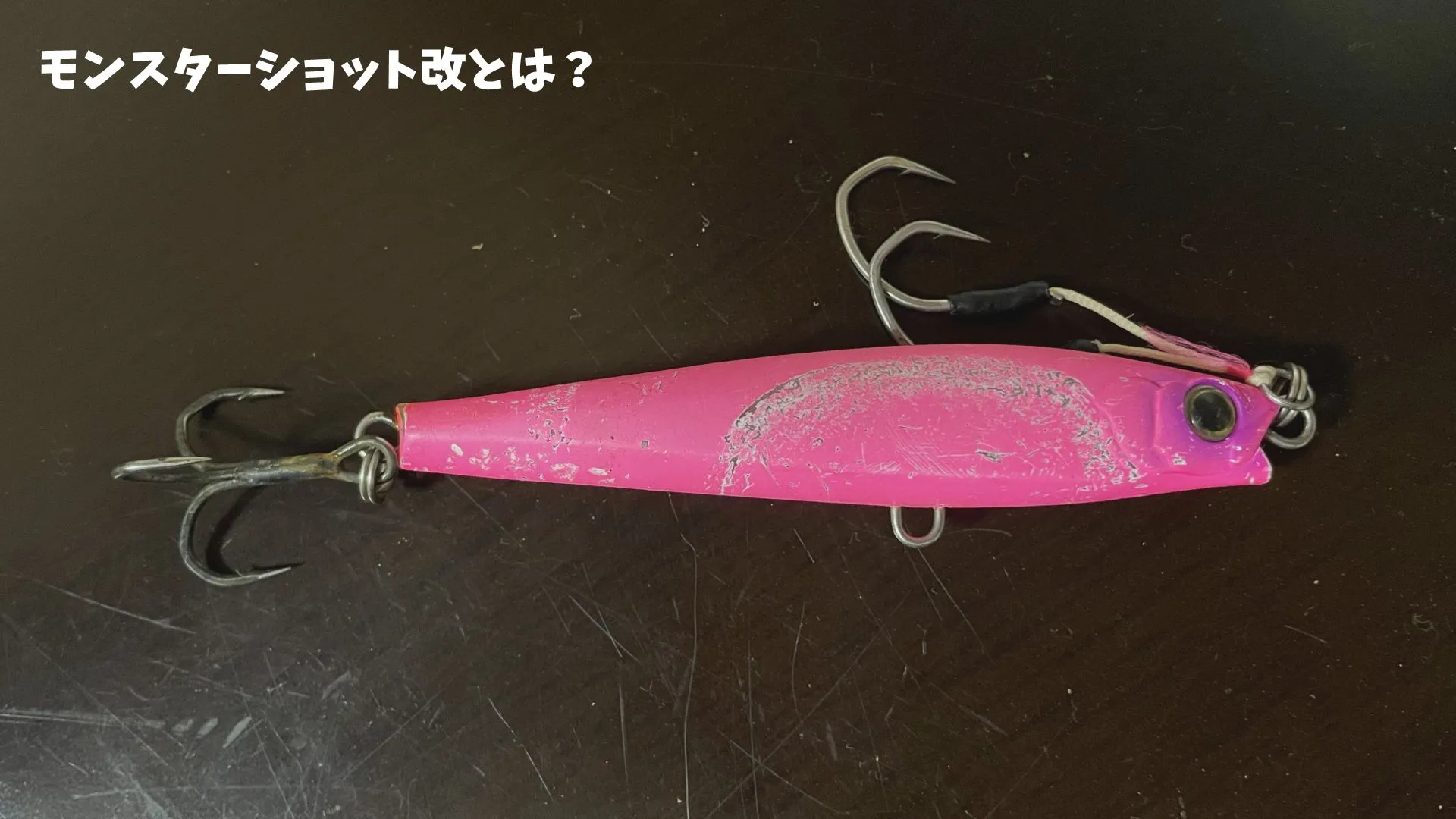
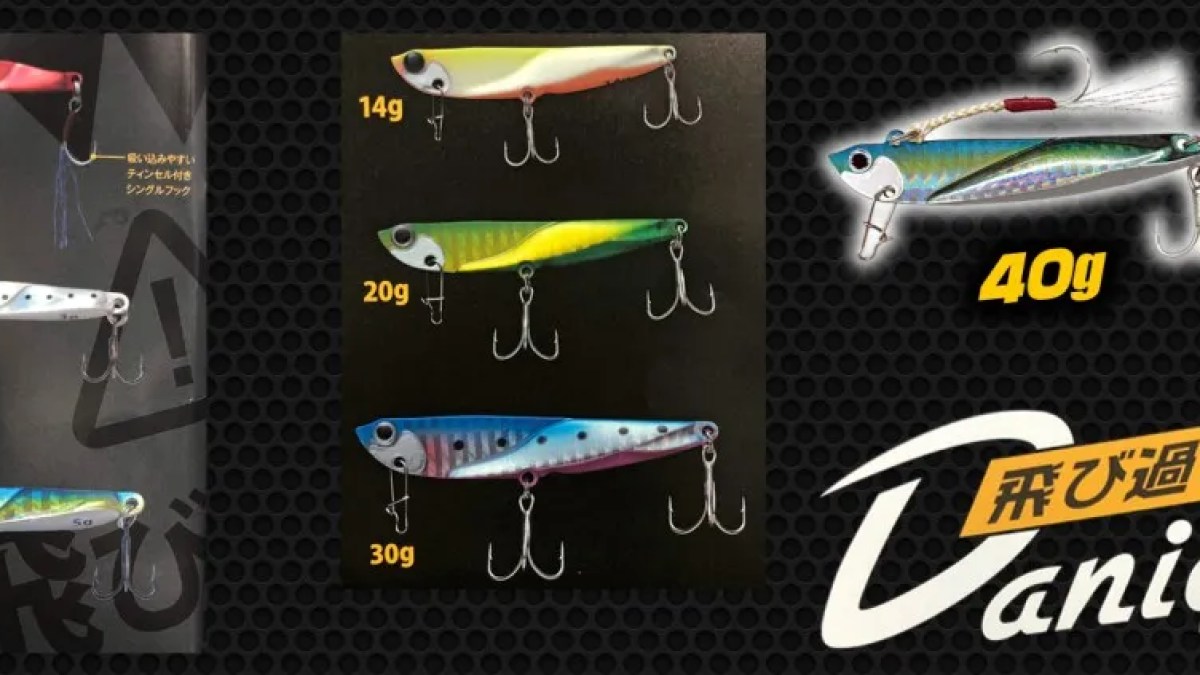
If you fish sand in Japan, you will see Flippers everywhere. DUO’s Beach Walker Flipper is the swimming metal jig most surf anglers own at least one of, and it is a lure I recommend to beginners without hesitation. The Flipper iT38 is the version for days when the ordinary ones stop working: a compact body with tungsten inside, built to fly further, sink faster and stay down in rough water.
This is what it is, how it differs from the rest of the family, and where I use it in a session.
Japanese flatfish jigs fall into two groups: jigs you jerk and jigs you wind. For hirame from the beach, the second group dominates – a jig that swims on a steady retrieve, close to the bottom, with no rod work required. The Flipper is the reference lure of that swimming type. Distance, appeal and ease of use are all strong, which is why it became the default.
The family has two main branches: the standard lead Flipper, and the Flipper Z, made of zinc. Zinc is lighter than lead, so a Flipper Z of the same weight has a noticeably bigger body – more appeal, but more lift and less distance. The iT38 goes the other way.
| Model | DUO Beach Walker Flipper iT38 |
| Length | 68 mm |
| Weight | 38 g |
| Hooks | Front #7, rear #6 |
| Split ring | #2.5 |
| Price at launch | 2,090 yen (incl. tax) |
Keep it simple. The two retrieves that work best are a steady wind and stop-and-go. Lift-and-fall and jerks get reactions too, but stop-and-go is my first choice:
If you are new to surf fishing, do not overthink it. Cast long and wind steadily. The thing that makes the difference with flatfish is feeling the bottom – and the iT38 is the easiest Flipper to feel touching down.
| Conditions | Choose | Why |
|---|---|---|
| Rough surf, strong wind, need distance | Flipper iT38 | Small, dense body – flies far and stays down |
| Calm sea, slow retrieve, want a bigger profile | Flipper Z | Larger body for the weight, lifts more easily |
| Standard Flipper dragging on the bottom | Flipper Z | The extra lift keeps it off the sand |
One honest note: on very rough days, even a 40 g jig can become impossible to control. If you cannot feel the bottom with the iT38, it is time to stop rather than to go heavier.
I use the iT38 in two situations:
My usual order at dawn is: floating minnow, then soft plastic, then sinking pencil, then Flipper iT38. Early in the morning, bait and flounder are often close to the beach, so I start near with light lures and work outwards. The iT38 comes in when the near water is done.
The obvious rival is the Shimano Spin Beam, which has been on the market longer. Both catch plenty of flounder and cast about the same distance. In my experience the Flipper’s paint is tougher; the Spin Beam is cheaper, and it also comes in a tungsten version if you want even more distance and sink rate. For DUO’s newest tungsten-plus-blade model, see my notes on the Flipper iTMB33.
The Flipper iT38 is a lure you will be glad to have on the bad days and the long-distance days. It is not the first lure I tie on, but it is the one that keeps me fishing when conditions turn – and it is easy enough that it also works as a beginner’s first surf lure.