DUO Beach Walker Haul Review: Japan’s Default Flounder Lure, Honestly Assessed
minagiman
Minagiman's Fishing Adventures in Japan
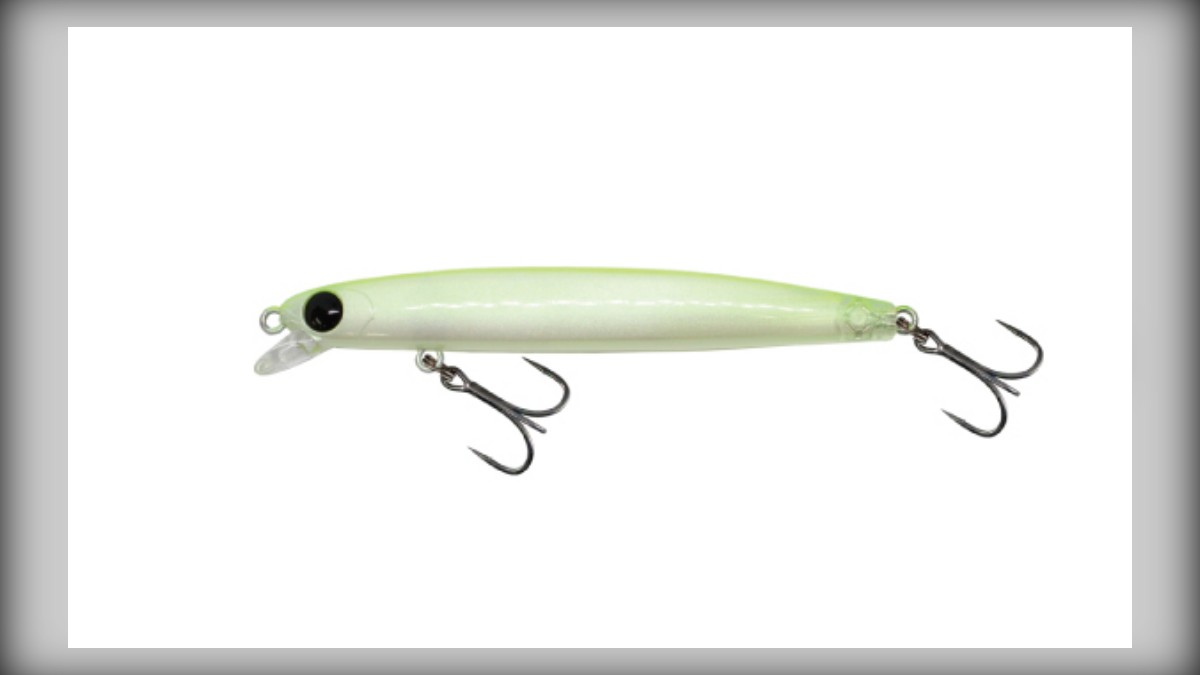
There are more seabass minnows in a Japanese tackle shop than anyone could ever fish. If you want one that specialises in the mid-water – the layer under the surface chop where big seabass often sit – the Eclipse Full Flow 120F is one I keep coming back to. It was built for lunker seabass and for hirasuzuki (the blackfin seabass of rocky coasts), but its distance in wind makes it just as useful on a surf beach.
A 120 mm, 18.5 g floating minnow designed to swim at 60-100 cm – deeper than a typical shallow-runner, shallower than a sinking lure. That band is where it stays, even in rough water.
| Model | Eclipse Full Flow 120F |
| Type | Floating minnow |
| Length | 120 mm |
| Weight | 18.5 g |
| Swimming depth | 60-100 cm |
| Hooks | Gamakatsu SP-MH #3 |
| Split rings | #4 |
| Colours | 12 |
Most long-cast minnows use a moving weight that slides back for the cast. The Full Flow uses a fixed weight in the tail. It flies straight and is very little affected by headwind or crosswind, and with a pendulum cast it reaches distances at the top of its class.
The action is designed at roughly 70 percent roll, 30 percent wobble. The roll throws flashes of light; the wobble adds an irregular kick that triggers bites. Slow it down and it still swims; let it drift in current and it keeps working on its own.
It comes with Gamakatsu SP-MH #3 trebles out of the box – strong enough for the large pre-spawn seabass of autumn and winter, and for hirasuzuki in the rocks.
That last method is the same one that works for the autumn sweetfish run – see Japanese seabass in autumn.
Twelve colours, which fall into three groups:
| Situation | Why the Full Flow |
|---|---|
| Rough surface, fish holding below the chop | Swims steadily at 60-100 cm under the waves |
| Shallow surf beach | Does not rise on the retrieve – fishes right to your feet |
| Windy day | Fixed tail weight keeps it flying straight |
| River mouth with current | Drifts and swims on the flow |
| Rocky coast for hirasuzuki | Strong hooks, holds depth in white water |
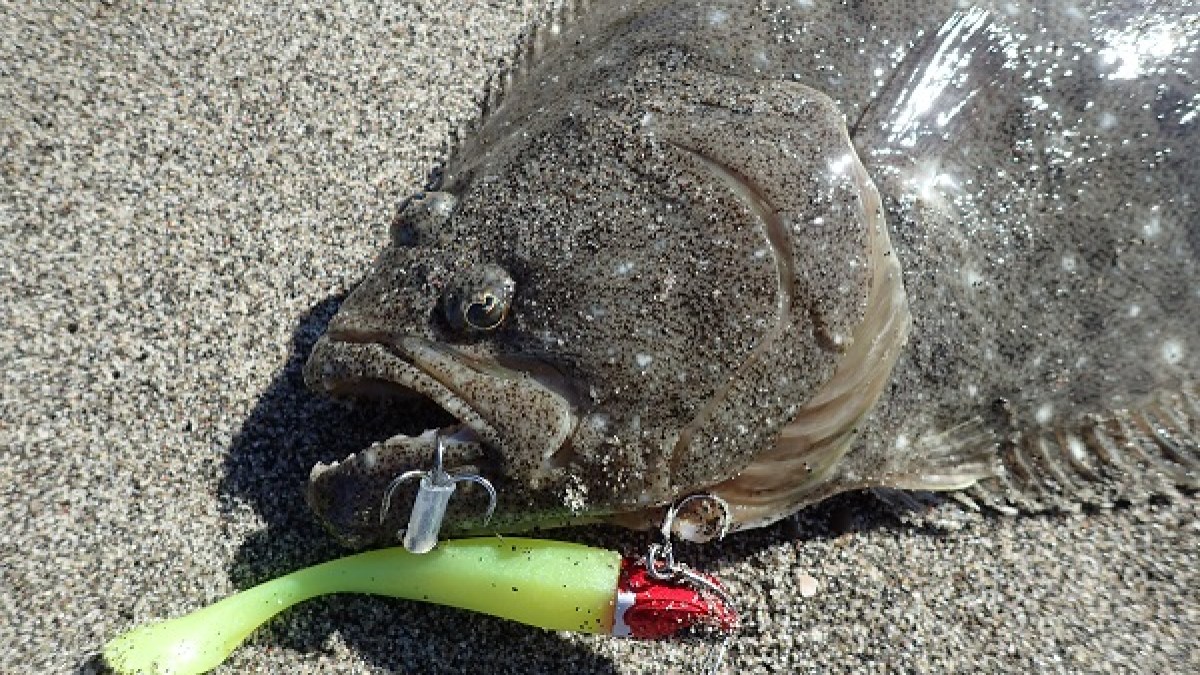
The Full Flow 120F is not flashy, but it solves a specific problem very well: keeping a minnow in the mid-water, at distance, in wind. Put one in the rotation for lunker seabass and hirasuzuki – and do not be surprised when a flounder takes it on the beach.
For a rod to throw it, the Daiwa 24 Lateo in the 10′-10’6″ lengths is a good match.