How to Land a Yellowtail in the Surf Without Losing It at Your Feet
minagiman
Minagiman's Fishing Adventures in Japan
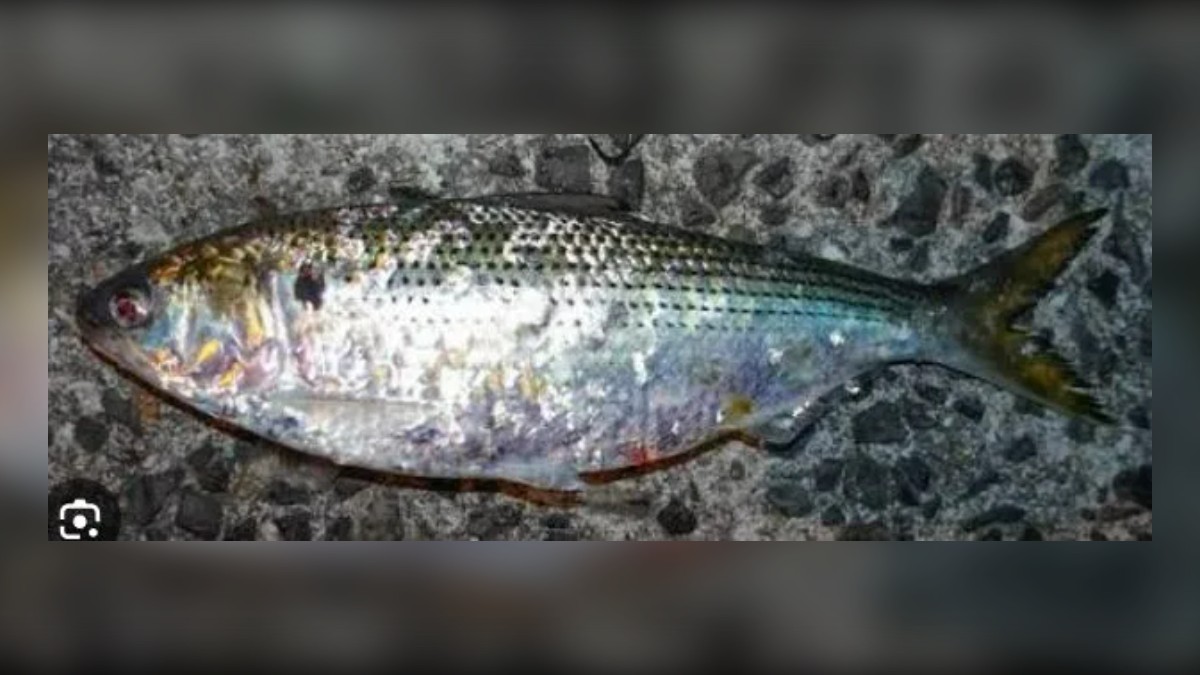
As autumn deepens in Japan, big schools of konoshiro (Japanese gizzard shad) push into river mouths, inner bays and surf beaches — and lunker seabass, yellowtail and “zabuton” flounder follow them. This is the konoshiro pattern, the best chance of the year to meet a truly big fish. Here is everything: timing, places, lures and technique.
The key point: you are targeting big fish feeding on bait around 20 cm long. Your usual lures are often too small to get noticed, so lure size and your distance from the school decide everything.
Konoshiro is a herring-family fish that changes its name as it grows. The “kohada” served as sushi is actually young konoshiro.
| Name | Approx. size |
|---|---|
| Shinko | up to ~5 cm |
| Kohada | 7–10 cm |
| Nakazumi | 12–13 cm |
| Konoshiro | 15 cm and up |
When anglers talk about the konoshiro pattern, they almost always mean shad of 15–25 cm. Deep-bodied and oily, one is a very efficient meal for a big predator.
| Period | Situation |
|---|---|
| Sep–Oct | Shad grow and schools become visible in river mouths and bays |
| Oct–Dec | Peak: big schools, lunker seabass and pelagics on them |
| Jan–Feb | Continues in some regions; schools may move deeper as water cools |
| Place | Character | Targets |
|---|---|---|
| River mouths | Current; schools move in and out — the outgoing tide is prime | Lunker seabass |
| Inner bays and harbours | Big schools gather, also around lights | Seabass |
| Surf beaches | When schools push in, everything switches on | Yellowtail, zabuton flounder, seabass |
| Tidal flats | Schools come in on the rising tide | Seabass |
If you are foul-hooking shad, stay put and work the outside edge or underneath the school.
Size: with bait at 15–25 cm, 140–180 mm lures are the baseline. A 120 mm lure can be ignored completely. If unsure, start around 150 mm.
| Type | Best when | Examples |
|---|---|---|
| Wakebaits / pencils | School near the surface, night and low light | Shimano Konoshiro Pencil 185F, Duel SB Wake 165F |
| Big floating minnows | Surface to 50 cm, natural presentation | Bassday Hades 150F, Zipbaits ZBL System Minnow 15F |
| Big diving minnows | Running under the school | Daiwa Vertice R 156F/156S |
| Big baits and jointed lures | Pressured big fish; imitate a weak shad | Daiwa Burst Upper 180F |
Colour: natural silver and blue close to the shad’s colour as the base; chartreuse or red-head for murky water and low light.
The most important rule: do not run your lure through the middle of the school. Inside it, your lure gets lost among the real fish and you foul-hook shad. Big predators wait on the edges and just below, picking off stragglers and weak fish.
Big fish target weak shad that fall behind, so slow retrieves with stops usually beat speed. In river current, drifting is very effective. Dawn, dusk and night are the best times; in river mouths and harbours, the night-time outgoing tide is prime.
| Situation | Fix |
|---|---|
| Boils but no bites | Go one size bigger, or use a wakebait on top |
| Only foul-hooking shad | Cast past the school and work only the edge |
| Bites stopped | Go deeper under the school; switch from floating to sinking |
| Refused in daylight | Natural colours and a slower presentation |
| Part | Recommendation |
|---|---|
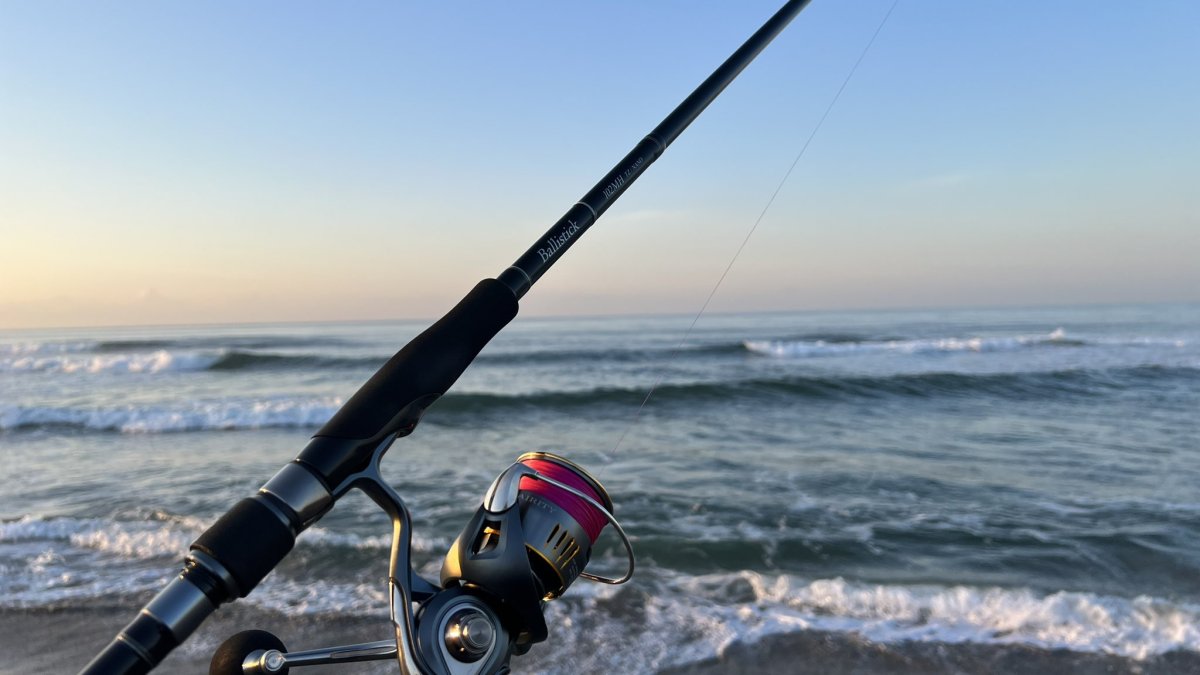
| Rod | 9’6”–10’ MH–H, casts lures up to 50–60 g |
| Reel | 4000–5000 high-gear |
| Line | PE 1.5–2 |
| Leader | 30–40 lb fluorocarbon or nylon |
You are fighting lunker seabass and pelagics, so go one step stronger than your usual seabass setup and check your drag before you start.
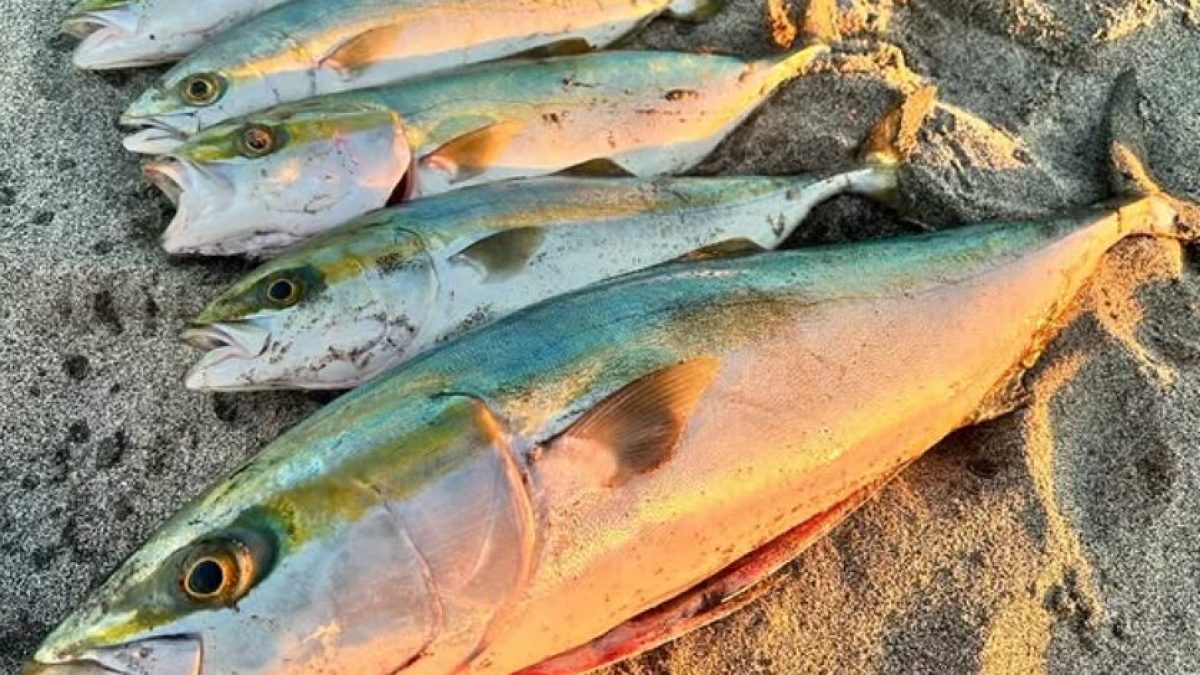
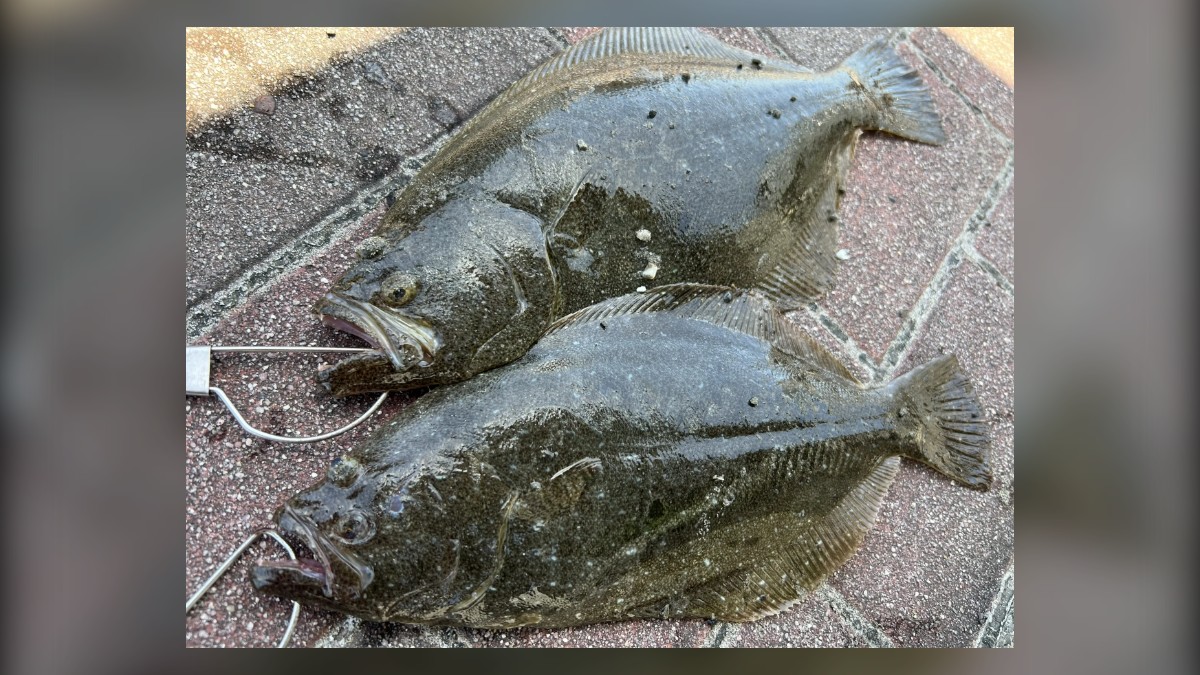
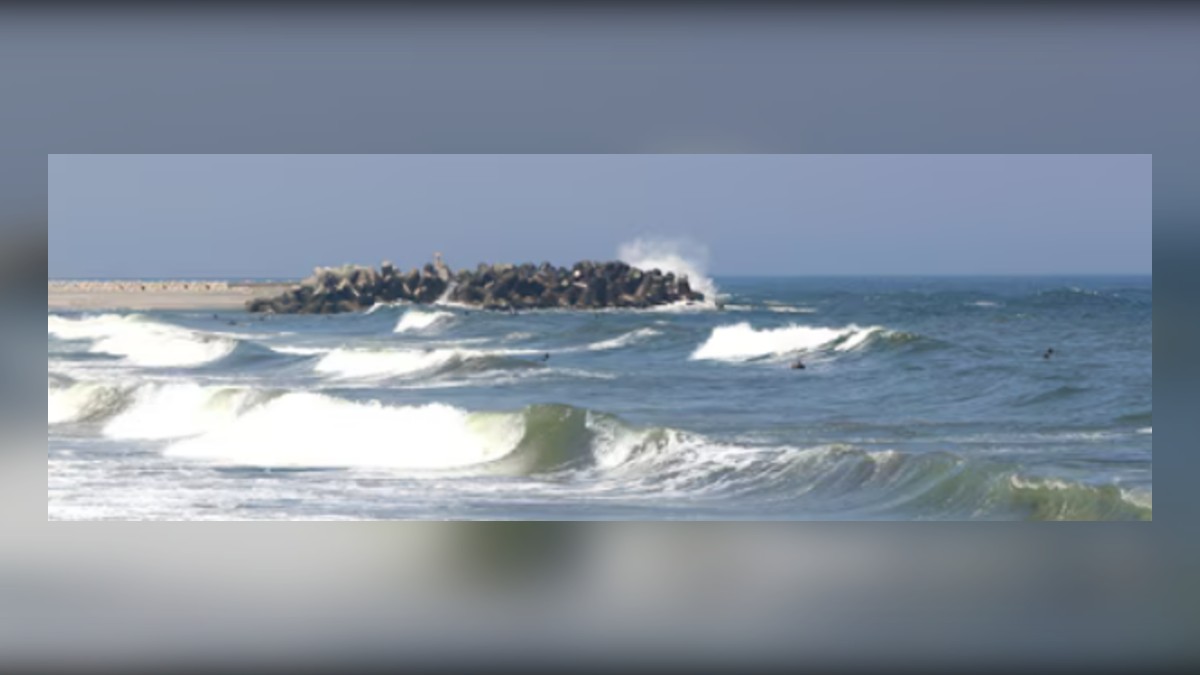
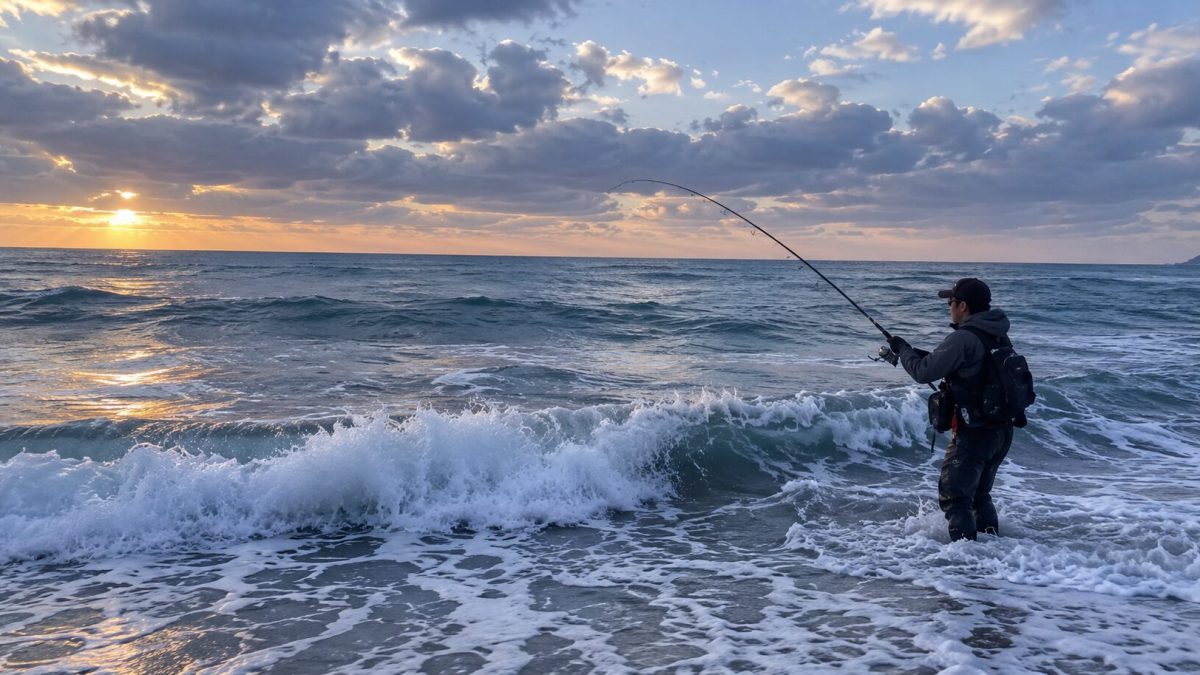
Shad also come onto the beaches. When they do, buri and warasa yellowtail and zabuton flounder can switch on all at once. Schools often hold further out on the surf, so heavier, long-casting lures help.
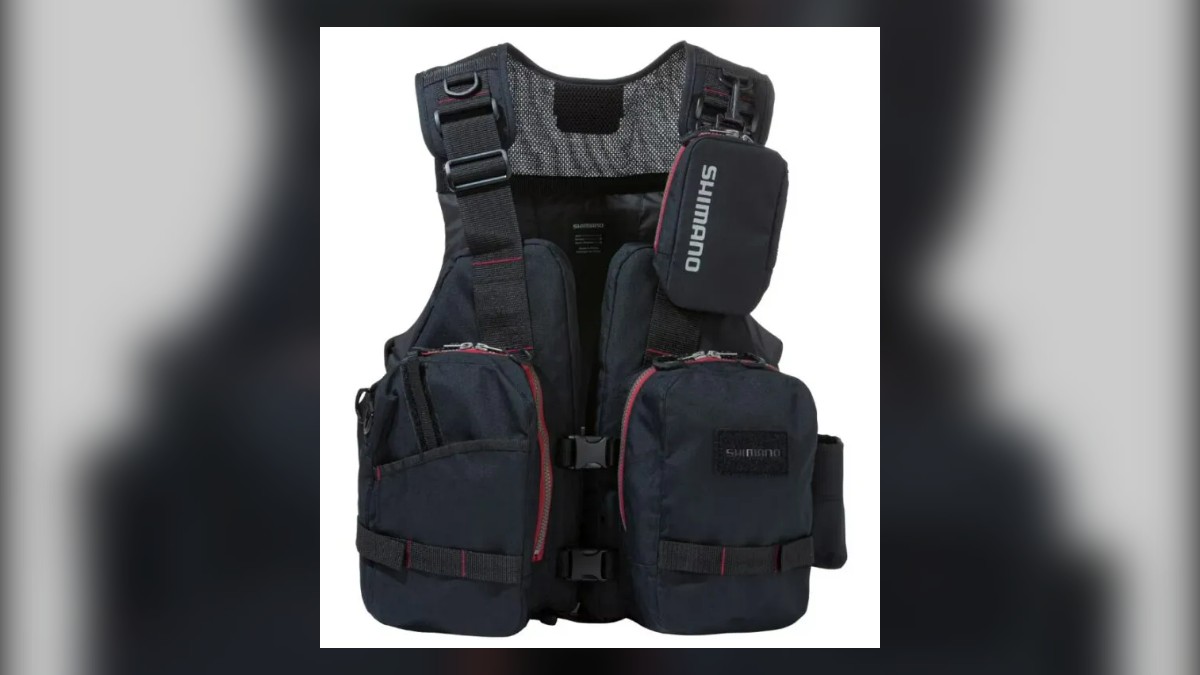
When the konoshiro pattern is not working, the cause is almost always one of two things: the lure is too small, or it is going through the middle of the school. Big bait needs big lures, and you fish the edges. It is not a numbers game, but each fish leaves a big impression. Wait outside the school, not inside it — that is the whole secret. And at night on river mouths or on winter beaches, always wear a life jacket and carry a light.