Jackson Tobisugi Daniel Review: The Long-Casting Blade Bait Japanese Surf Anglers Argue About
minagiman
Minagiman's Fishing Adventures in Japan
Autumn seabass means gizzard shad, juvenile mullet and spawning sweetfish. With big bait around, it is the season when you are closest to a lunker all year.
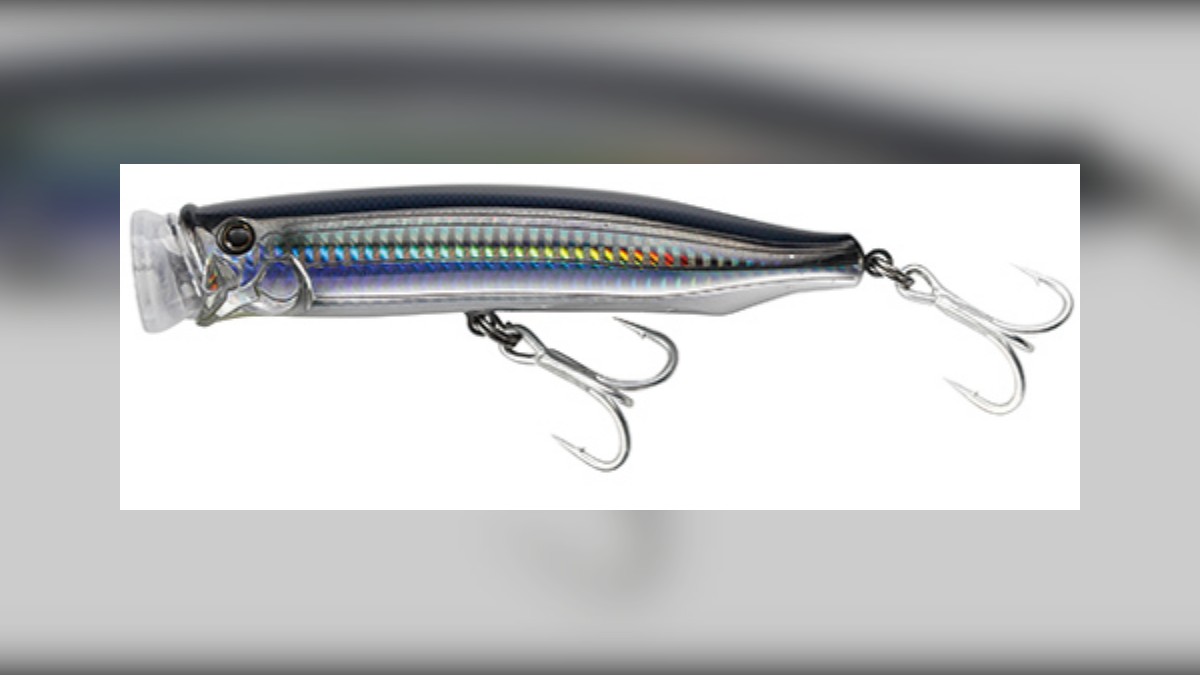
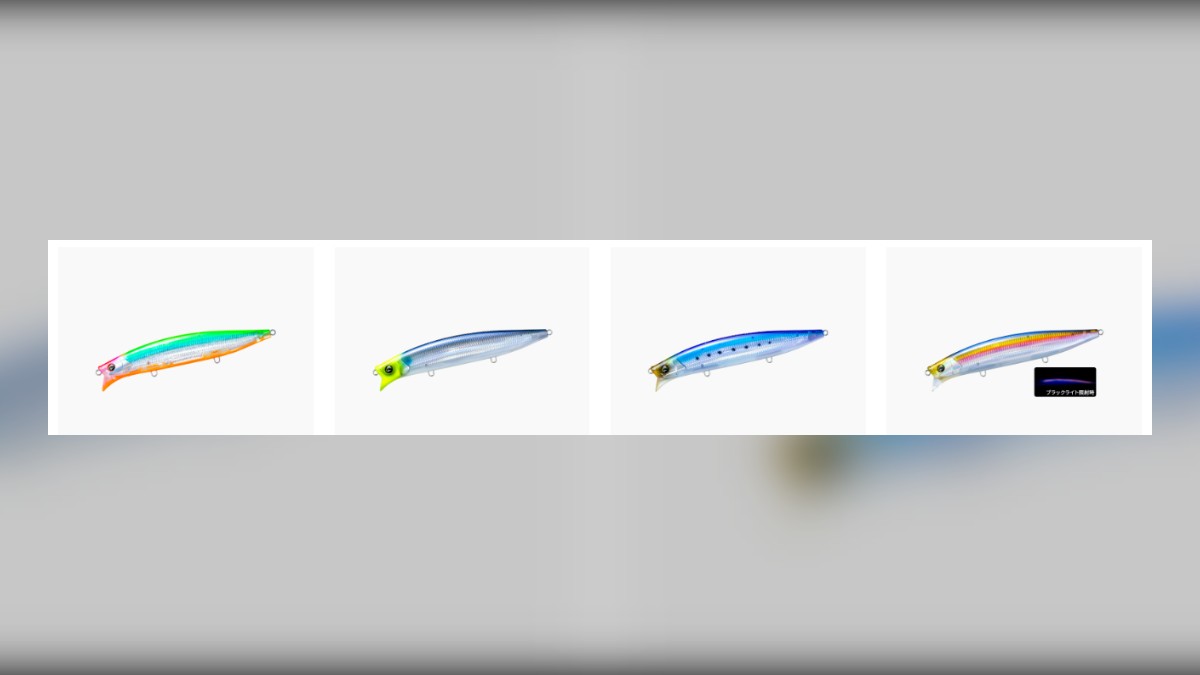
Right on time is Duel’s Sonic Boom SB Wake 165F – a wake bait for lunkers only, with a metre-class seabass already caught on it in Kumamoto. Here is every feature. (Duel is known as Yo-Zuri outside Japan.)
The SB Wake 165F is a big wake bait Duel released in 2026 for large seabass – built to draw lunkers feeding on gizzard shad and mullet up to a surface wake, with plenty of big-fish results.
| Length | 165 mm |
| Weight | 48 g |
| Type | Floating |
| Depth | 0-50 cm |
| Max distance | 65 m |
| Hooks | #2 |
| Rings | #4 |
| Colours | 10 |
| Price | Open price (around 2,600-2,900 yen street in Japan as of 18 October) |
A wake bait swims just under the surface, pushing a V-shaped wake as it moves slowly. It looks like weakened bait struggling on top, and its great attraction is big seabass that are watching the surface smashing it from below – especially strong in the autumn big-bait patterns.
Distance comes from Duel’s MAG BULLET weight-transfer system. The weight balls move as a single mass, adding momentum for much longer casts. After landing the weight moves to the belly and a strong magnet locks it – so it starts swimming immediately and keeps a consistent balance.
| Technology | What it does |
|---|---|
| Real Lens Finish | Realistic scales that scatter light widely. Being inside the body, the shine survives hook marks and tooth marks |
| Hologram inner sheet | Light reflected off the internal sheet spreads further through the real lens |
| SB Unit | The MAG BULLET as a unit wrapped in hologram sheet – absorbs shock and strengthens the body |
Keeping its shine even when scarred by lunker fights is a real plus for a big bait you will use for a long time.
Depth is 0-50 cm, controlled by retrieve speed and line angle. Rod high and slow: a wake on the surface. Rod low: it dives slightly. One lure covers the upper layer in detail.
Beyond a straight retrieve, sweep the rod to dive it, then stop and let it float up – topwater-style. Diving it 50-60 cm, jerking, then letting it drift up is effective too, repeated to trigger fish striking from below.
| Tuning | Effect |
|---|---|
| Smaller hooks | More buoyancy, tighter action, shallower |
| Remove the centre hook and upsize front and rear | Heavier, runs deeper, different hook-up |
It is a high floater, so hooks change its behaviour. After changing hooks, always check how it floats and swims at your feet first.
Target river mouths, canals and harbours where gizzard shad and mullet gather, and lower rivers where spawning sweetfish drop down. Cross current seams and light-and-shadow lines slowly with the wake.
| Colour | When (per Duel) |
|---|---|
| Clear Chart | Clear water, sun; low-key appeal for tough conditions |
| Chart Head Bora | Mullet days; the chart head helps you track it |
| Iwashi | The core natural |
| Kei Red Shiner | Low light at dawn, dusk, overcast |
| Akahara Iwashi | When realistic colours need a bit more appeal |
| Matt Chart | Very muddy water, night |
| Matt Kei Blue Konoshiro | Gizzard shad pattern; when fish shy from strong flash |
| Matt Pink | High pressure, low activity |
| Pearl Chart | Dark nights, stained water – most visible of all |
| Pearl Red Head | Night standard; smaller-looking silhouette |
For the autumn gizzard shad pattern, start with Matt Kei Blue Konoshiro, plus Pearl Chart as the night standard.
| Item | Guide |
|---|---|
| Rod | Seabass rod (MH-H) rated to about 50 g |
| Reel | Spinning around 4000, or a powerful baitcaster |
| PE | 1.5-2 |
| Leader | Fluoro or nylon 25-35 lb |
48 g exceeds the upper rating of many seabass rods – always check.
| Lure | Length | Weight | Type | Key point |
|---|---|---|---|---|
| Duel SB Wake 165F | 165 mm | 48 g | Floating | MAG BULLET, 65 m, 0-50 cm |
| Daiwa Burst Upper 180F | 180 mm | 60.5 g | Floating | Giant topwater for 80 cm+ fish, 63 m |
| Daiwa Soft Wake 150F | 150 mm | 33 g | Floating | Elastomer body, dives to 0.6 m |
The Burst Upper 180F is bigger and heavier and needs a strong big-bait rod; at 48 g the SB Wake is manageable on a strong seabass rod. Lunkers on your usual tackle: SB Wake. Only the biggest fish on dedicated tackle: Burst Upper.
The Soft Wake 150F draws bites with a soft body; the SB Wake draws fish with shine and distance. Pressured, slow days: Soft Wake. Searching widely to pull in a lunker: SB Wake.
Autumn seabass are building condition on big bait, and when gizzard shad and mullet hold near the surface, lunkers are often looking up. The SB Wake is specialised for exactly that: fly 65 m, show it slowly with a wake, draw fish with shine. Reaching distant lunkers on big estuaries and harbours is its biggest weapon. But 165 mm / 48 g can be too big on small-bait days – switch back to your usual minnows and sinking pencils then.
That moment when the water bulges up behind the wake – that thrill is unique to wake baits.