Enshu-nada Surf Fishing in November: Big Yellowtail, Ribbonfish and Flounder
minagiman
Minagiman's Fishing Adventures in Japan
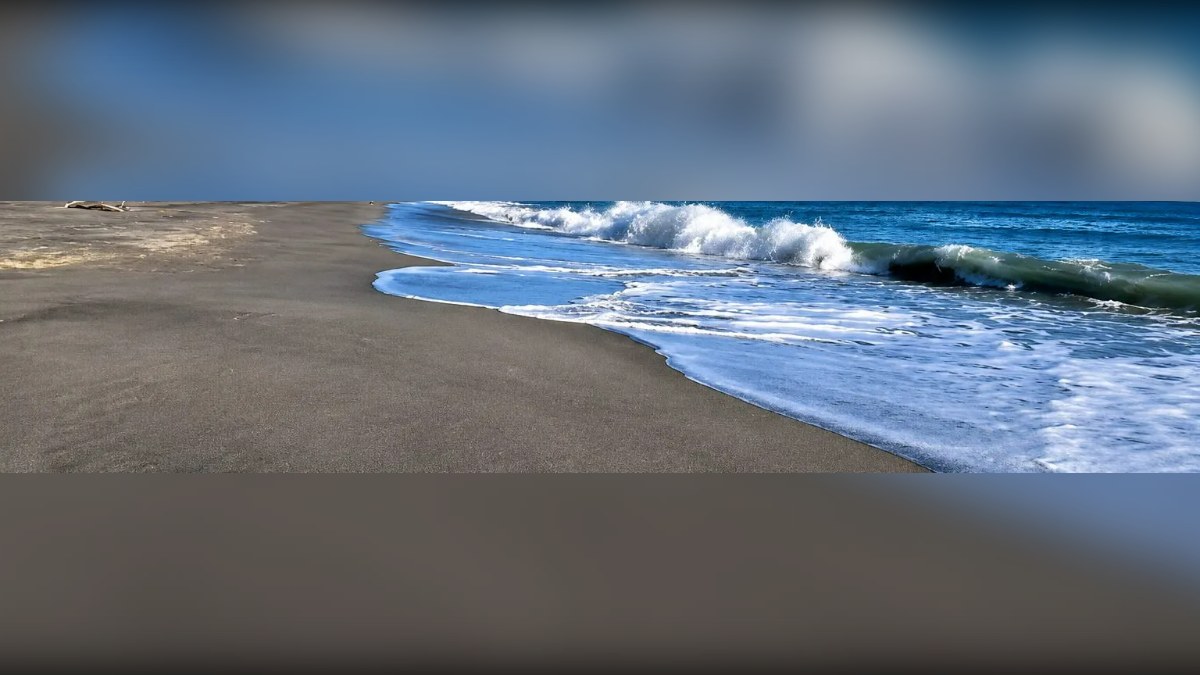
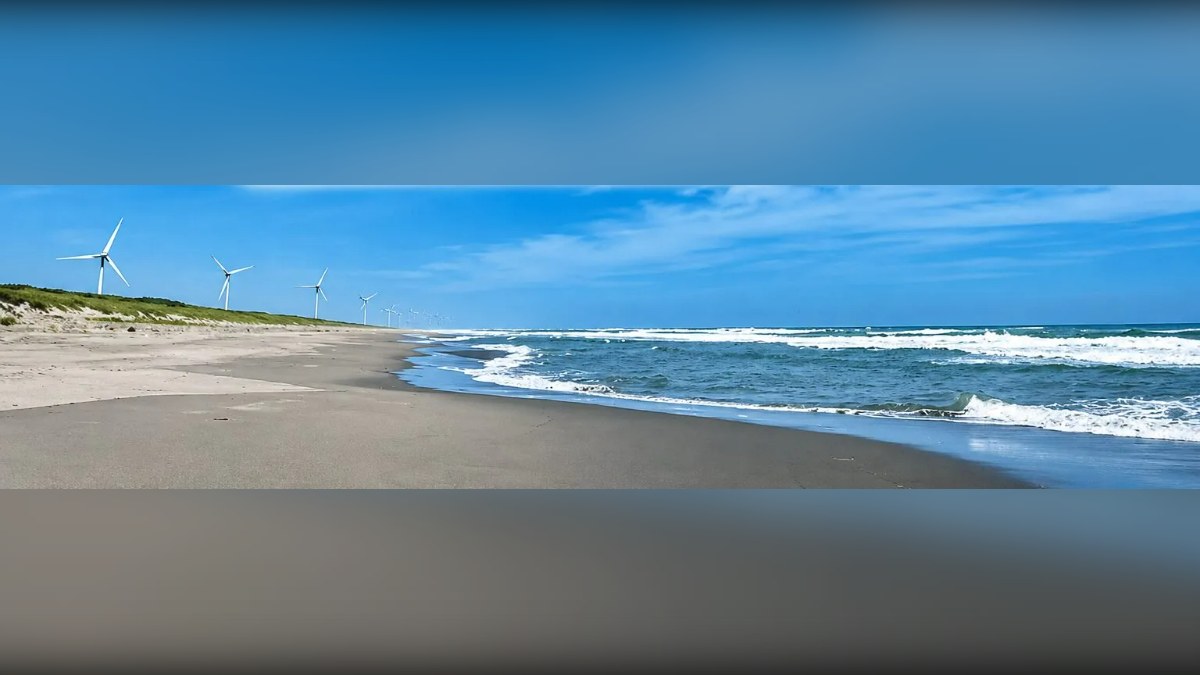
This guide covers the best surf fishing spots in Hamamatsu, Shizuoka, on Japan’s Enshu-nada coast: the long stretch from the Imagiri outlet of Lake Hamana in the west to the mouth of the Tenryu River in the east. Famous for the Nakatajima sand dunes, Hamamatsu’s surf has lots of variety, with river mouths, the Imagiri outlet and artificial headlands. Here is how to fish each spot.
The Enshu-nada surf runs for more than 100 km, from Omaezaki in Shizuoka to the Atsumi Peninsula in Aichi. It faces the open Pacific with strong currents, and the main targets are olive flounder (hirame), bartail flathead (magochi), yellowtail and Japanese seabass.
Hamamatsu stands out for its inflows (the Imagiri outlet and the Magome and Tenryu rivers) and its headlands. It is not all flat shallows: some areas have depth, so structure is easier to find.
| Item | Hamamatsu surf |
|---|---|
| West end | Imagiri outlet of Lake Hamana: fast current that gathers bait |
| Centre | Shinohara to the Nakatajima dunes: the Magome River mouth and a line of headlands |
| East end | Tenryu River mouth: a large inflow with seabass, flounder and ribbonfish |
| Beach access | Often via stairs over a tall seawall |
| Cautions | Do not climb the headlands; loggerhead turtles nest here |
On the catch-logging app ANGLERS, Nakatajima has about 5,800 catches logged across all species, Goshima about 4,700 and the Tenryu River mouth about 4,600 (as of September 2026), which shows how popular Hamamatsu is. Here are the spots from west to east.
The beach around Bentenjima Seaside Park, east of the Imagiri outlet. Currents from the outlet keep the water moving, so bait gathers and flounder, Japanese whiting and seabass are possible. Some areas near Imagiri have fast current, so do not wade too deep. The park has parking and toilets (parking may be paid). Do not enter restricted areas such as the outlet’s breakwaters and tetrapods.
East of Maisaka fishing port. You cross a big seawall by stairs to reach the beach, with wide views of the sea from the top. The stairs turn sandy partway down, so watch your step.
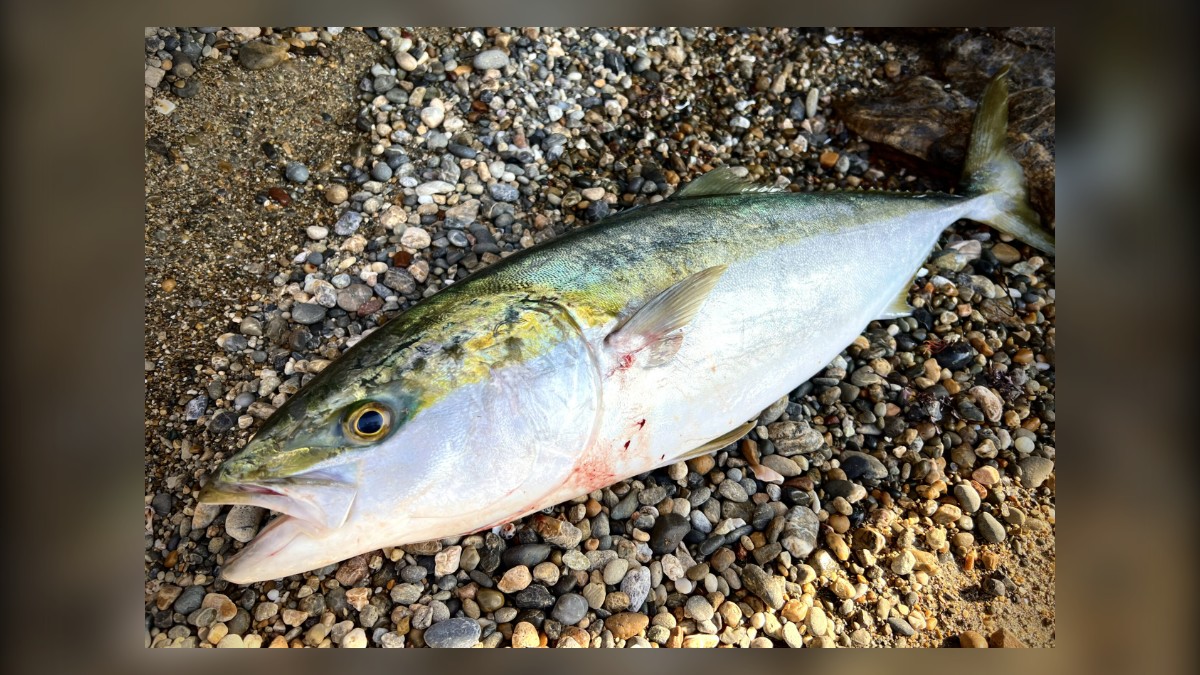
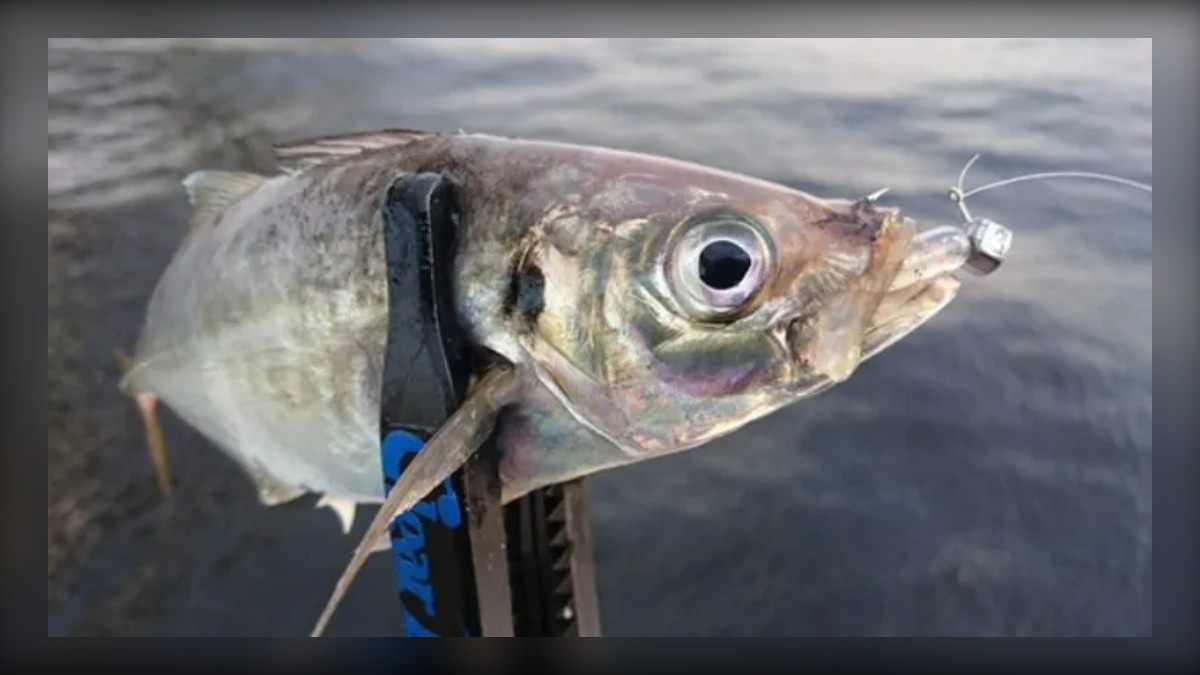
It has a wide variety of fish all year: flounder in spring, flathead in summer, and in autumn warasa (mid-size yellowtail), Spanish mackerel and ribbonfish. In December, yellowtail and big seabass sometimes arrive with gizzard shad. ANGLERS data showed small yellowtail (wakashi, tsubasu) on 7 of 10 days in late July to early August 2026, so it is a good summer yellowtail spot.
There is free parking but no toilet, so use a convenience store on the way. It is popular with surfers and busy on summer weekend afternoons. Check Google Maps satellite view for darker areas (deeper water and drop-offs) before you go.
Between Maisaka and Nakatajima, Shinohara is less well known, with fewer anglers. Good if you want to avoid crowds. A small drainage channel flows into the sea here; after rain, gutters form around the outflow and bait gathers. Fan-cast both sides of the outflow, then move along if nothing bites. Flounder, flathead and seabass from spring to autumn, small yellowtail in autumn, and big flounder in winter.
It is next to houses and farmland, so never park on the street or farm roads without permission. There are few toilets, and entering the windbreak forest or driving onto the beach is prohibited.
West of the Nakatajima dunes, where the Magome River enters the sea. Freshwater inflow gathers bait, and it is known for seabass especially after rain. The east side of the mouth is the main area, with flounder and flathead too. Around high tide, current at the mouth gets fast, so go easy on wading.
The signature Hamamatsu spot. The dunes stretch about 4 km and are sometimes counted among Japan’s three great sand dunes. A row of T-shaped artificial headlands sits in front of the dunes. Rip currents form on both sides of each headland, creating deeper water where flounder and seabass hold. Drop-offs often form off the tips, which are also on yellowtail routes.
Targets include Japanese whiting, flathead, flounder, seabass, yellowtail and ribbonfish. Never climb onto the headlands: the blocks are very slippery and there have been accidents. The dunes are also a nesting site for loggerhead turtles, a protected species, from early summer to autumn. Be careful with lights at night and stay away from nesting tracks.
There is free parking with toilets at the dune entrance, but the gates have opening hours, so check before an early-morning or night trip. During the Hamamatsu Festival (3–5 May) it is used for kite flying and may be unavailable.
East of Nakatajima. Fewer anglers than Nakatajima, and the bays between headlands can give good numbers of Japanese whiting. With about 4,700 catches on ANGLERS, it is a favourite of local anglers. Flounder, flathead and seabass, plus yellowtail when bait is around. The sand is deep in places, so wear waders or surf shoes. Parking is sometimes on farm road shoulders: do not block farm vehicles, entrances or turning spaces. No toilets.
At the eastern end, the large Tenryu River mouth. It is split between the Hamamatsu side (west bank) and the Iwata side (east bank). Nutrients from the river draw bait, so you can target Japanese whiting, flounder, seabass, and ribbonfish at night in summer and autumn. Current is strong and the bottom changes often, so do not wade too far and check your footing. Parking is near the mouth; no toilets.
| Spot | Features | Best for |
|---|---|---|
| Bentenjima Seaside Park area | East of Imagiri, varied current | Flounder and seabass; facilities |
| Maisaka | Over the seawall; many species, summer yellowtail | Year-round fishing |
| Shinohara | Fewer anglers; drainage outflow | Avoiding crowds |
| Magome River mouth | Seabass after rain; fast current around high tide | Seabass |
| Nakatajima | Headlands and rips; the most popular | First-time visitors |
| Goshima | Fewer anglers; whiting in the bays | Relaxed fishing |
| Tenryu River mouth | Large inflow; ribbonfish at night | River-mouth fans |
| Season | Main targets |
|---|---|
| Spring (Mar–May) | Flounder, seabass, flathead |
| Summer (Jun–Aug) | Flathead, Japanese whiting, small yellowtail, ribbonfish (night) |
| Autumn (Sep–Nov) | Flounder, yellowtail (warasa, Spanish mackerel), seabass, ribbonfish |
| Winter (Dec–Feb) | Flounder, seabass, yellowtail (with gizzard shad), Japanese meagre (oonibe) |
In winter, the Enshu-nada’s dream target is the Japanese meagre (oonibe), which can exceed a metre.
People often imagine the Enshu-nada as endless identical sand. Hamamatsu is different: the Imagiri outlet, the Magome and Tenryu rivers and the Nakatajima headlands make structure easy to find. If it is your first time, start around the Nakatajima headlands or the river mouths. Once you know the area, explore quieter beaches like Shinohara and Goshima to find your own spots.