Pacific Bluefin Tuna Rules for Anglers in Japan (2026): Registration, the 30 kg Limit and What to Do if You Hook One
minagiman
Minagiman's Fishing Adventures in Japan
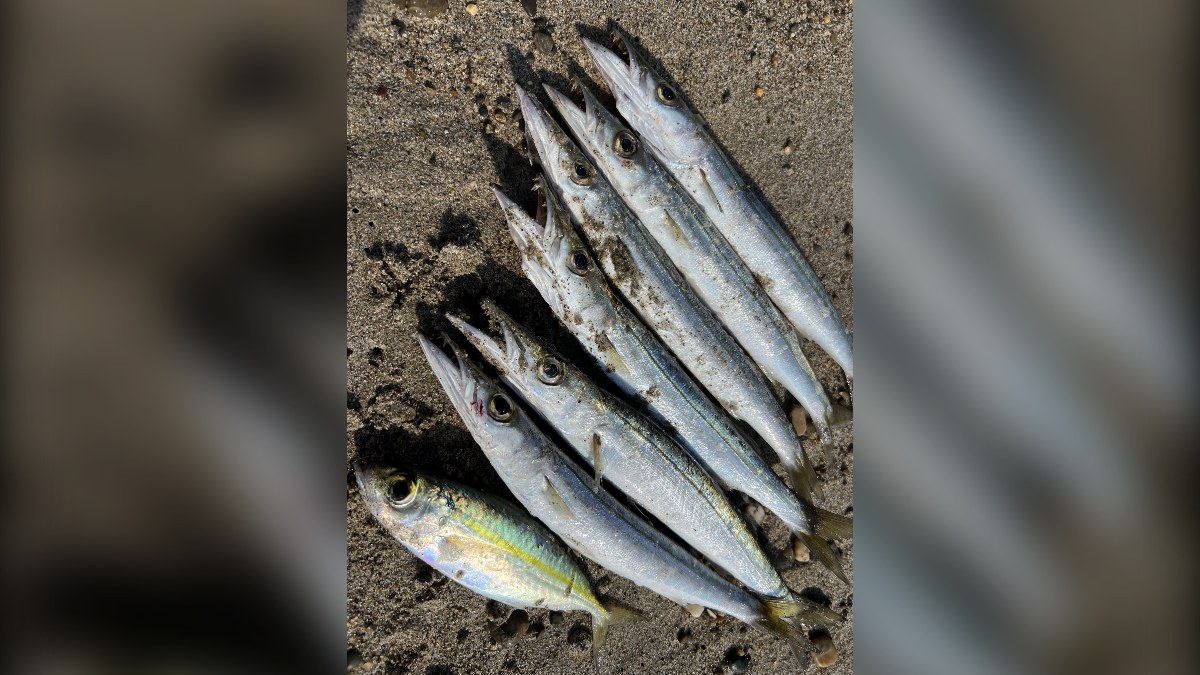
“Do I need a fishing license in Japan?” is one of the most common questions I get from overseas anglers. The short answer surprises many people: for ordinary rod-and-line sea fishing, there is no national fishing license. But that is not the same as “anything goes”. Rivers usually need a day ticket, many shellfish and seaweeds are off-limits, foreign visitors have specific gear rules, and a lot of harbour walls are closed to anglers.
I am a Japanese angler who spent years on the Enshu-nada surf in Shizuoka, and I now live on the Gold Coast, where everyone is used to buying a state fishing licence. Here is how the Japanese system really works, explained in plain English.
Japan does not have a general recreational saltwater license like Australia, the US or many European countries. You can walk onto most beaches, rocky shores and public fishing piers with a rod and fish. Most of the surf beaches I cover on this site, such as the Hamamatsu surf, are free to fish.
What you do need to follow:
Paid facilities such as fishing piers, fishing parks and party boats simply charge an entry or boat fee. There is no separate license to buy.
Rivers and lakes are different. Most rivers in Japan are managed by an inland-water fishing cooperative that holds fishing rights for species such as trout, char, ayu (sweetfish) and carp, and stocks fish. To fish there, you buy a yugyoken, a recreational fishing ticket for that specific water.
As one example, a Tokyo travel guide lists the ticket for Lake Kawaguchi (including a fishing tax) at 1,100 yen in advance or 1,600 yen on the day. Prices differ everywhere, so check the cooperative or a local tackle shop. Always carry your ticket while fishing, as wardens do check.
Managed trout ponds and “fishing areas” are a separate category: you pay the venue’s fee and follow its rules (often barbless single hooks and catch limits). No yugyoken is needed.
Japanese coastal waters are covered by fishing rights (gyogyoken) granted to local fishing cooperatives. Common fishery rights typically cover sedentary species such as abalone, turban shells, sea urchin, spiny lobster, octopus in some areas, and seaweeds like wakame and kelp. Picking these up from the rocks, even a few for dinner, can be poaching.
These rules apply equally to tourists. If something is clinging to a rock rather than swimming on the end of your line, assume you may not take it unless a local source tells you otherwise. Clam digging (shiohigari) on many beaches is only allowed at designated, often paid, sites and seasons.
Japan’s Fisheries Agency publishes an English page and flyer on recreational fishing by foreign nationals. In territorial and internal waters this is governed by the Act on Regulation of Fishing Operations by Foreign Nationals. Importantly, the Agency notes that permanent residents and other people with Japanese resident status are not treated as “foreign nationals” under these acts. So this section is mainly for tourists and short-term visitors.
| Situation | Permitted gear (summary) |
|---|---|
| From shore (no boat) | Rod and line, handline, landing net, scoop net, fishing spear, clam rake or knife, and a cast net |
| Boat under 3 gross tons | The same small-scale gear, except a cast net (not allowed from a boat); trolling is allowed in territorial waters |
| Boat of 3 gross tons or more | Only on a Japanese vessel operated by a Japanese fisher, such as a licensed party boat or charter |
| Exclusive Economic Zone (offshore) | Rod and line without chumming on small boats; trolling only in areas and periods specified by the ministry |
The flyer also lists longlines and similar methods as prohibited, and says gear not on the permitted list is prohibited unless Japanese law allows it. Violations can bring up to three years in prison, a fine of up to 30 million yen, or both. The Agency also recommends using shared charter boats registered with a prefecture, which is exactly what a Japanese party boat (noriai-sen) is.
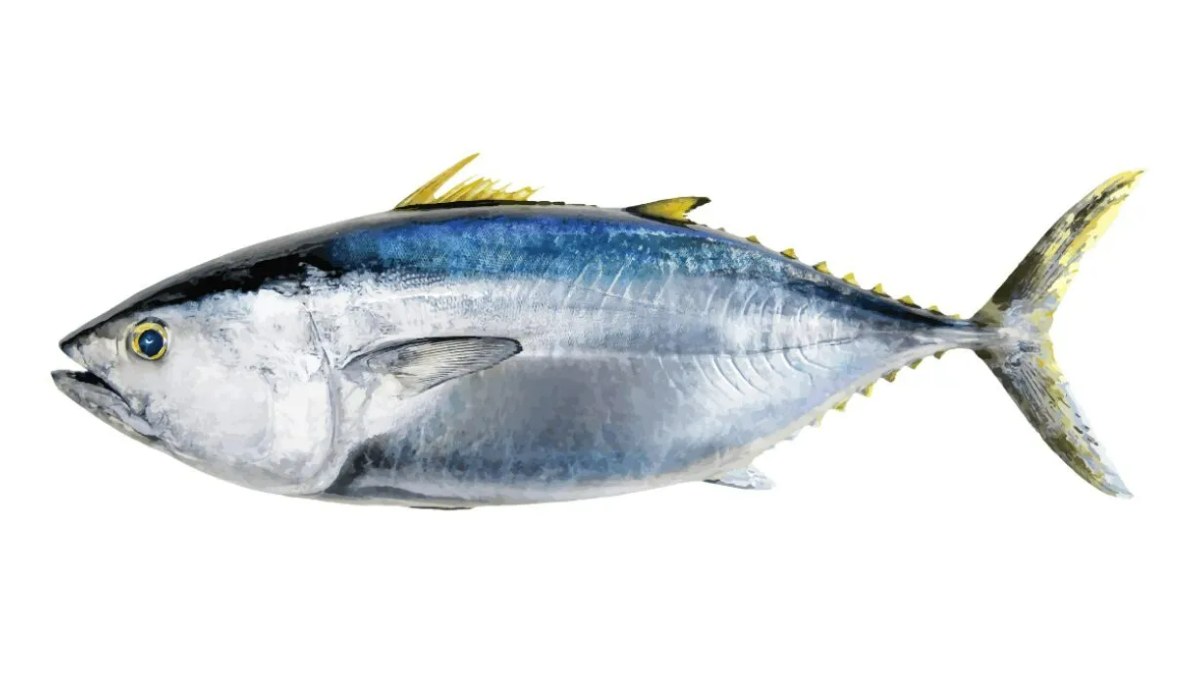
Recreational bluefin catches are tightly controlled: fish under 30 kg must be released, one fish of 30 kg or more per person may be kept, and kept fish must be reported. I covered the details in Pacific bluefin tuna recreational rules in Japan.
Under the Fisheries Resources Protection Act, catching salmon in rivers is banned without special authorisation. Prefectures such as Ibaraki also prohibit salmon and trout fishing within set distances of certain river mouths for part of the year (May to December in Ibaraki’s case). A few places, mainly in Hokkaido, run permit-based salmon survey fishing on designated rivers, but that is a special programme, not general access.
These are set by each prefecture and sometimes by the local sea-area fisheries committee. Species such as flounder, sea bream or octopus may have minimum sizes in some prefectures. A local tackle shop is the fastest way to find out.
This is where most visitors actually get into trouble. Many Japanese ports have closed breakwaters, seawalls and cargo quays to the public for safety and security. Yokohama, for example, prohibits public entry to city-managed breakwaters, seawalls and wharf quays, pointing to falls from sudden high waves and the dangers of cargo handling, and directs anglers to its public sea-fishing facilities at Honmoku, Daikoku and Isogo instead.
Sometimes normally closed wharves open for special events. Shizuoka’s Shimizu port runs one: see the Hinode wharf fishing festa.
| Where | License or ticket? | Notes |
|---|---|---|
| Beach, rocks, public pier (sea) | No | Follow prefectural rules; no shellfish or seaweed in fishing-right areas |
| Paid fishing pier or park | Entry fee | Facility rules on rods, hooks and hours |
| Party boat or charter | Boat fee | Registered operators; the captain explains local rules |
| River or lake with a cooperative | Yugyoken (day/season ticket) | Seasons and limits vary; carry the ticket |
| Managed trout pond | Venue fee | Often barbless single hooks |
| Clam digging beaches | Often paid and seasonal | Only at designated sites |
Not for ordinary rod-and-line sea fishing. You will usually need a yugyoken day ticket for rivers and many lakes, and you must follow the gear rules for foreign nationals.
From the local fishing cooperative’s agents: tackle shops, convenience stores, inns or streamside boxes near the river. Some areas also sell tickets online or via apps.
Generally yes, within any local size limits and species rules. Bluefin tuna has special limits, and protected sedentary species such as abalone, sea cucumber and lobster are off-limits. If you plan to eat raw fish, read my note on anisakis and sashimi safety.
The prefectural fisheries division, the local fishing cooperative, or simply the nearest tackle shop. Fisheries Agency pages in English are a good starting point for the national rules.