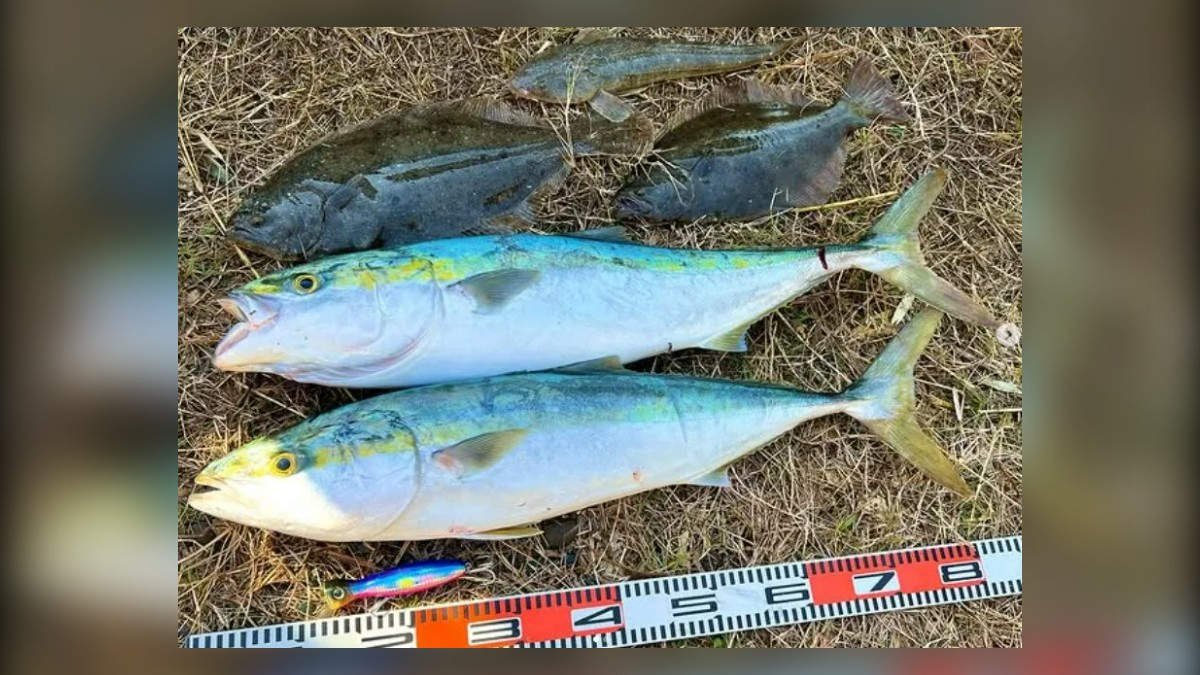
Seisho Surf Fishing Guide (Kanagawa): Steep Gravel Beaches You Can Reach by Train
minagiman
Minagiman's Fishing Adventures in Japan
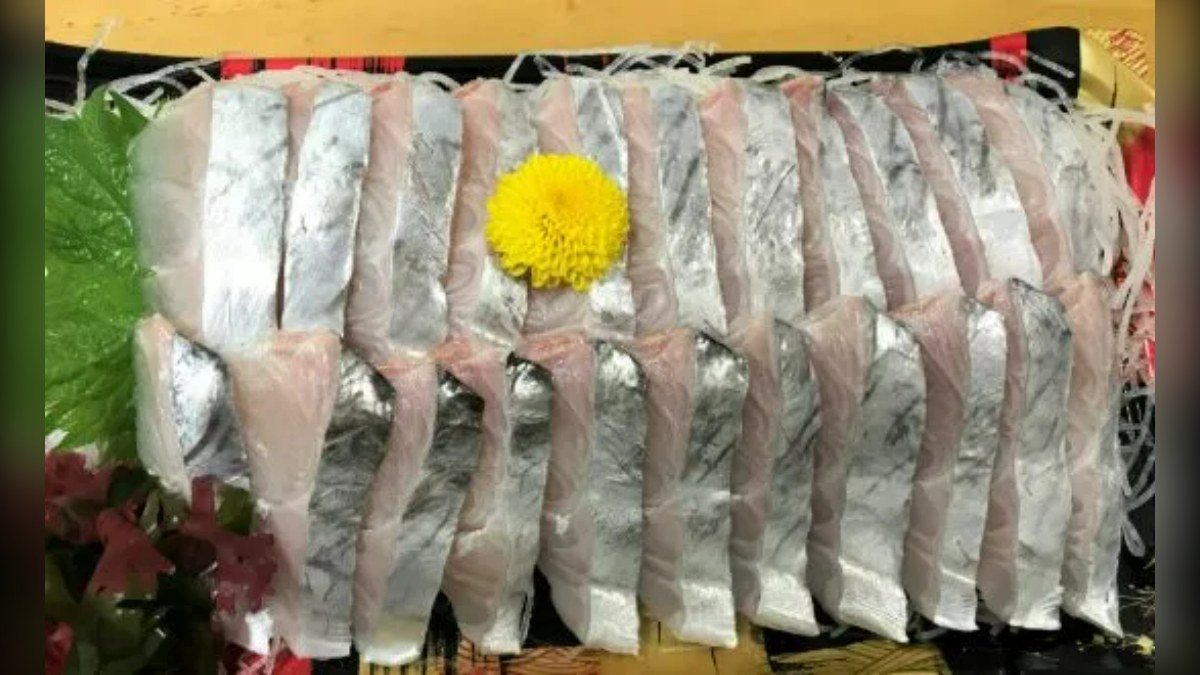
Mackerel, horse mackerel, squid and Spanish mackerel are all in season now, and they are all fish you want to eat as sashimi. The parasite to watch out for is Anisakis. Here is what anglers can do, based on guidance from Japan’s Ministry of Health, Labour and Welfare (MHLW).
Anisakis is a parasitic worm found in seafood. Eating larvae in raw or undercooked fish can cause food poisoning with severe stomach pain. The MHLW reported 337 cases of Anisakis food poisoning in Japan in 2024, and cases occur all year round.
This article summarises publicly available MHLW information for anglers. If you feel unwell, do not self-diagnose: see a doctor.
| Seafood | How common in angling |
|---|---|
| Mackerel (saba) | Common on sabiki rigs and in shore jigging |
| Horse mackerel (aji) | A sabiki and ajing staple |
| Sardine (iwashi) | Often caught in numbers on sabiki |
| Pacific saury | Mostly bought, not caught |
| Skipjack (katsuo) | Caught from boats and the shore |
| Salmon | — |
| Olive flounder (hirame) | A popular surf lure target |
| Tuna | — |
| Squid | Bigfin reef squid and others caught on egi |
These are the examples the MHLW lists. In other words, many of the fish you catch from piers and beaches can carry it. “I caught it myself, so it’s fresh and safe” is not a guarantee.
Larvae live mainly on the surface of the internal organs. After a fish dies, they can migrate from the guts into the muscle. The MHLW also notes that larvae may already be in the flesh while the fish is alive. Gutting quickly helps, but it does not eliminate the risk.
| Point | What to do |
|---|---|
| 1. Freshness | Use fresh fish and gut whole fish quickly. Do not eat the internal organs raw |
| 2. Inspection | Look carefully for white, thread-like larvae and remove them |
| 3. Freezing or cooking | Freeze at −20°C for at least 24 hours, or cook to 70°C or above (or 60°C for 1 minute) |
The MHLW guideline is −20°C for at least 24 hours. Many home freezers run at about −18°C, so check your freezer’s performance and allow extra time.
Cook to 70°C or above, or 60°C for 1 minute. Simmered, grilled or fried fish cooked through is fine.
Many people think shime-saba is safe, but the MHLW says vinegar curing is not an Anisakis measure. Combine it with freezing.
An angler’s biggest advantage is control over freshness from the moment the fish is caught. To shorten the time before larvae can move into the flesh: dispatch, chill and gut early.
Anisakis larvae are said to glow under ultraviolet (black) light, and some tackle makers sell lights for checking fish as you fillet them. However, larvae deep in the flesh are hard to see, so a light alone is not enough. Combine it with freezing or cooking.
| Fish | Safest | If you want it raw |
|---|---|---|
| Mackerel | Salt-grilled, simmered in miso, fried | Freeze first. Combine shime-saba with freezing |
| Horse mackerel | Fried, marinated (nanban), salt-grilled | Gut early and inspect well. Consider freezing |
| Squid | Tempura, stir-fried, simmered | Freeze first. Thin strips are easier to inspect |
| Spanish mackerel | Miso-marinated and grilled, meunière, fried | Freeze, then sear (aburi) |
| Olive flounder | Meunière, fried | Gut early and inspect well. Consider freezing |
Spanish mackerel is not on the MHLW’s list, but it is sensible to take the same care with all migratory fish.
According to the MHLW, most Anisakis food poisoning is gastric anisakiasis, with severe stomach pain. Allergic reactions such as hives or anaphylaxis can also occur, even without stomach symptoms.
There is no medicine that kills Anisakis. For the stomach, larvae are removed with an endoscope. Do not wait it out: get medical help quickly.
Eating sashimi from your own catch is one of the best things about fishing. But that also makes freshness and preparation your responsibility. Remember the three basics: freshness, inspection, and freezing or cooking. Anglers can dispatch and chill a fish the moment it is caught and gut it early. When in doubt, cook it or freeze it first. Winter mackerel and horse mackerel are rich and delicious, so enjoy them safely.