Japanese Seabass (Suzuki): Names, Habits, Gill-Shaking and How to Handle Them
minagiman
Minagiman's Fishing Adventures in Japan
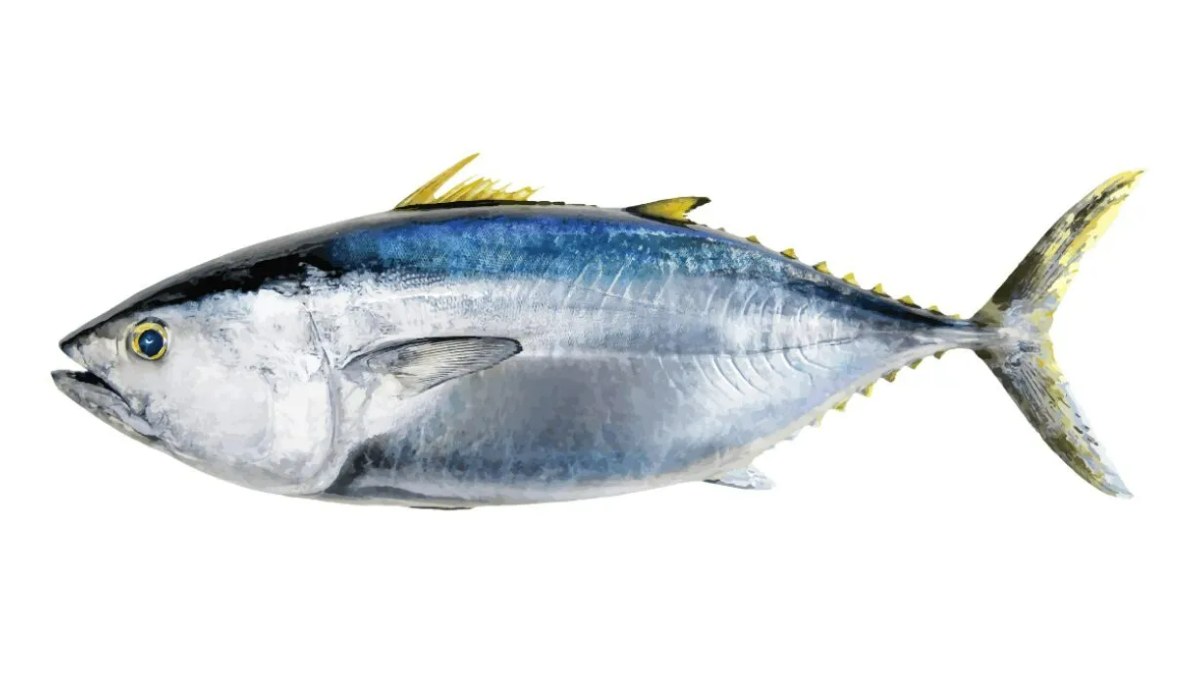
In the winter yellowtail season, you sometimes hear of someone hooking “something like a tuna” while shore jigging or fishing the surf. Recreational fishing for Pacific bluefin tuna in Japan has new rules from 2026. If you fish in Japan, here is what you need to know to avoid breaking them without realising.
Bluefin tuna catches are managed internationally to protect the stock, and recreational anglers in Japan have rules on size, numbers and reporting. From 1 April 2026, every recreational angler fishing for large bluefin must register in advance.
This article is based on materials from Japan’s Fisheries Agency and prefectural websites (as of October 2026). The rules can change, so always check the Fisheries Agency’s latest information before you go.
| Rule | Details |
|---|---|
| Small fish (under 30 kg) | Taking them is banned all year |
| Large fish (30 kg and over) | One fish per person per two months |
| Registration | From 1 April 2026, all recreational anglers fishing for large bluefin must register |
| Reporting | Report any large fish you land to the Fisheries Agency within one day (by the next day) |
| Closures | Closed periods may be set if catch limits for the period are at risk of being exceeded |
| Selling | Selling bluefin caught recreationally for profit is prohibited |
Prefectural guidance (for example from Aichi Prefecture) states that taking small bluefin under 30 kg is banned all year under a regional fisheries coordination committee directive. Bluefin caught from piers, rocks and beaches are almost always small fish known in Japan as meji or yokowa, which are nowhere near 30 kg. So you cannot keep them.
Large bluefin of 30 kg or more are limited to one fish per person per two months. If catches risk exceeding the limit for a period, a closure may be declared that covers large fish too. For example, all bluefin fishing was closed from 25 to 31 August 2026. Check for closures before you go.
| Item | Details |
|---|---|
| Start | 1 April 2026 |
| Who | Every recreational angler fishing for large bluefin between 1 April 2026 and 31 March 2027 |
| Deadline | By the day before your first trip (one business day before) |
| How | Online, LINE or email, via the Fisheries Agency’s bluefin recreational fishing page |
| Valid until | 31 March 2027 (a new registration is expected after that) |
| Registration number | Have it ready to show while fishing, and use it when reporting a catch |
If you fish from a charter boat, the boat operator must also be registered. If you go out on a private boat, both the angler and the boat need to be registered. According to the Fisheries Agency, unregistered anglers cannot take bluefin, and must release any they hook immediately.
If you land a bluefin of 30 kg or more, you must report it to the Fisheries Agency within one day of landing it. Keep your registration number handy.
Selling bluefin caught by recreational anglers for profit breaks the committee directive. Aichi Prefecture warns that serving it in a restaurant you run may also be a violation.
According to the Fisheries Agency, if someone is found taking bluefin without registering, the minister can order them to comply. Failing to follow that order can lead to up to one year’s imprisonment or a fine of up to ¥500,000. “I didn’t know” is not a defence, so check the rules if you target yellowtail in waters where bluefin may roam.
| Fish | Key feature |
|---|---|
| Pacific bluefin (meji, yokowa) | Short pectoral fins that do not reach the second dorsal fin |
| Yellowfin tuna | As it grows, the second dorsal and anal fins become long, with strong yellow colouring |
| Albacore | Very long pectoral fins |
| Skipjack | Several dark horizontal stripes on the belly |
| Mackerel tuna (suma) | Dark spots below the pectoral fins |
Some are hard to tell apart when small. If in doubt, treat it as a bluefin and release it.
Casting into feeding frenzies with jigs or topwater, you never know what will bite. That is part of the fun, so decide in advance what you will do if a tuna takes your lure.
Pacific bluefin were once a real worry because of falling stocks. Management is said to be helping them recover, but anglers now face more detailed rules. They may feel like a hassle, but the more anglers follow them, the better the chance of keeping a share for recreational fishing. Remember: if you hook one from the shore, release it first.