Fukuroi Surf Fishing Guide: Ota River Mouth, Asaba Beach and Benzaiten River on the Enshu-nada
minagiman
Minagiman's Fishing Adventures in Japan
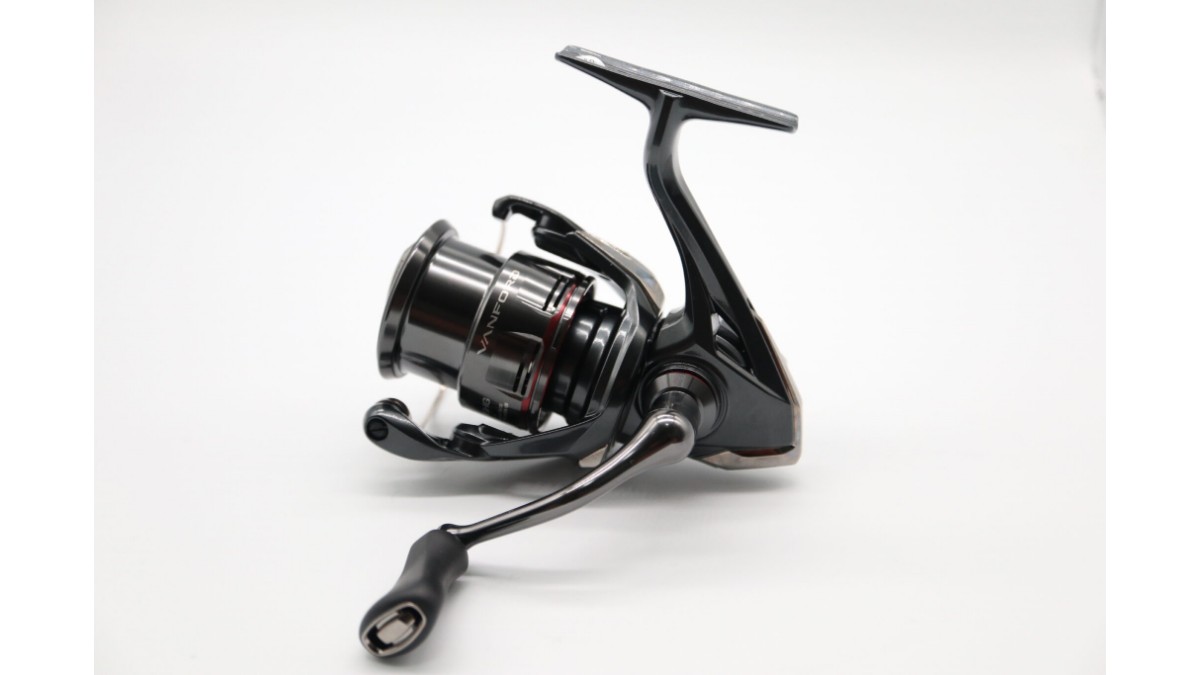
Search for a Shimano Stella online and you will quickly find two kinds of listing: the reel sold by your local dealer, and a “JDM” version shipped from Japan, often with a different model name, a longer list of sizes and a price that moves with the yen. The same thing happens with the Twin Power and the Vanquish. So which one should you buy, and what is actually different?
I am a Japanese angler. I fished the Enshu-nada surf in Shizuoka for years with Japanese-market reels, and I now live on the Gold Coast in Australia, where the shop shelves carry the international versions. This guide puts the two side by side using Shimano’s own published line-ups, so you can see where the differences are real and where they are mostly about naming.
In Japan, Shimano puts the release year in front of the name. “22 Stella” is the 2022 Stella, “24 Twin Power” is the 2024 Twin Power, “23 Vanquish” the 2023 Vanquish. If you have not met these codes before, my guide to Japanese reel model names explains every letter (C, S, HG, XG and so on).
Outside Japan, Shimano usually drops the year and adds a generation suffix after the size. The 2022 Stella is sold in the US as the “Stella C3000XG FK”, the Twin Power of the same generation as the 24 Twin Power is the “Twin Power FE”, and the current Vanquish is the “Vanquish FC”. When the next generation arrives, the suffix moves on a letter. So the suffix is your quickest way to match an international reel to its Japanese twin.
| Japanese name | International name | Notes |
|---|---|---|
| 22 Stella | Stella FK | Flagship; Infinity Cross, Infinity Drive, Infinity Loop |
| 24 Twin Power | Twin Power FE | Announced by Shimano North America in February 2024 |
| 25 Twin Power XD | Twin Power XD (FA, then FB suffix at US retailers) | Tougher saltwater-leaning version |
| 23 Vanquish | Vanquish FC | Lightweight, low-inertia Magnumlite rotor |
| 26 Vanquish CE | Vanquish FA Competition Edition (Europe) | Finesse “competition” version with reduced rotational torque |
The pairing in the table is based on matching technology, release timing and specs. Shimano does not publish an official “JDM equals export” chart, so always check the spec table of the exact reel you are buying.
Shimano’s US online store lists five Stella FK spinning models: 1000, 2500HG, C3000XG, 4000XG and C5000XG, priced from about US$865 to US$895. The Japanese 22 Stella line-up runs to 16 models, from a 1000SSPG finesse reel up to the C5000XG.
| Spec | 22 Stella C3000XG (Japan) | Stella C3000XG FK (US) |
|---|---|---|
| Gear ratio | 6.4:1 | 6.4:1 |
| Weight | 210 g | 7.4 oz (about 210 g) |
| Technology | Infinity Cross, Infinity Drive, Infinity Loop, Dura Cross drag, Anti-Twist Fin | Same list on Shimano’s international product pages |
On a like-for-like model, the numbers line up. Where Japan pulls ahead is choice. The JDM range includes sizes that most export markets never stock, for example:
That is why many overseas anglers go JDM. If you want, say, a double-handle shallow-spool Stella for squid, the export catalogue simply does not have one.
Shimano North America announced the Twin Power FE in February 2024 with the same feature list as the Japanese 24 Twin Power: an aluminium and CI4+ body, Infinity Drive, Infinity Cross, Infinity Loop and Dura Cross drag. My 24 Twin Power review covers what changed in that generation.
The European Twin Power FE spec chart lists nine sizes: C2000S, 2500, 2500S HG, C3000, C3000XG, 4000PG, 4000MHG, 4000XG and C5000XG. The Japanese 24 Twin Power has 13. Again the core numbers match where the sizes overlap. The 2500SHG, for example, is listed at 5.8:1, 210 g and 4 kg max drag in both the Japanese spec and the European “2500S HG FE” listing.
Japan updated the saltwater-leaning Twin Power XD in 2025, with six sizes from C3000HG to C5000XG. Export markets also sell a Twin Power XD, and US retailers list it with FA and FB suffixes. Because the XD has changed generations recently, this is the model where you most need to read the suffix: an older FA reel on sale is not the same generation as the Japanese 25 model.
The Vanquish is Shimano’s lightweight, low-inertia reel, built around the Magnumlite rotor. The Japanese 23 Vanquish comes in 15 sizes, including a 1000SSSPG for ultra-fine lines and the C3000SDH / C3000SDHHG double-handle models. Shimano’s US parts listings for the Vanquish FC show just three models: 2500SHG, C3000XG and 4000XG.
In 2026 Shimano added a competition version in both markets. In Japan it is the 26 Vanquish CE, with eight models from 1000SSS to 2500SHG. In Europe it is the Vanquish FA Competition Edition. Both remove part of the handle-shaft water-resist design and switch some bearings from grease to oil, cutting rotational torque by about 25 percent for a lighter feel. The European chart lists six sizes; the Japanese line adds two 1000 sizes for trout and finesse fishing.
| Series | Japan sizes | International sizes (example market) | Biggest practical difference |
|---|---|---|---|
| Stella | 16 (22 Stella) | 5 (Stella FK, US) | Shallow, double-handle and medium-depth spools in Japan only |
| Twin Power | 13 (24 Twin Power) | 9 (Twin Power FE, Europe) | More finesse and medium-spool options in Japan |
| Vanquish | 15 (23 Vanquish) | 3 (Vanquish FC, US parts list) | 1000SSSPG and double-handle models in Japan |
Size counts are from Shimano’s own online store and dealer spec charts at the time of writing and differ between countries, so your local range may be wider or narrower.
Owners comparing US and Japanese reels on forums often mention small differences in handle length and knob shape on some sizes. Japanese spec sheets list handle length in millimetres for each model (the 22 Stella C3000XG is listed with a 55 mm handle), so compare the spec rather than assuming.
JDM reels list line capacity mainly in Japanese PE and nylon “go” numbers and drag in kilograms. If PE 1.0 or PE 1.5 means nothing to you yet, see my PE line size chart.
This is the big one. Manufacturer warranty is usually tied to the country of sale. Shimano’s US warranty page warns that “non-localized” products may not be eligible for manufacturer warranty, and Australian JDM retailers state that their JDM reels are not serviced locally and go back to Japan for repair. If you buy a Japanese reel, plan on servicing and parts coming from Japan, or choose a shop that handles that for you.
Japanese spinning reels are normally sold with an ambidextrous handle you can switch to either side, the same as export models. The left/right issue matters more for baitcasting reels, where Japan often sells both hands of a model that export markets carry in only one.
A JDM price is set in yen. When the yen is weak, Japanese reels can look cheap against local prices; when it strengthens, the gap closes. Shipping, import duty and your country’s sales tax are added on top. My guide on how to buy Japanese fishing tackle from overseas walks through export shops, forwarders and current import rules.
Shimano is also expected to update the Stella at some point. I looked at the pattern of past releases in my 27 Stella predictions, but nothing has been announced yet, so buy for what is on sale today.
Not in a meaningful way for the same model. The C3000XG, for example, has the same listed gear ratio, weight and technology in both markets. The JDM advantage is the wider choice of sizes.
Do not count on it. Warranty is usually limited to reels bought from authorised local dealers. Ask your local Shimano service centre before buying, and keep your receipt from the Japanese seller.
Spools are often shared within the same generation and body size, but not always. Check the parts number in the exploded parts diagram for both reels before buying a spare spool.
Japanese fishing is highly specialised (ajing, eging, area trout, finesse bass), and each style has its own preferred spool depth, gear and handle. Shimano Japan builds sizes for those niches; export markets tend to stock fewer, more general sizes.