Fishing the Dawn Window on a Beach: How to Plan the Most Important Hour
minagiman
Minagiman's Fishing Adventures in Japan
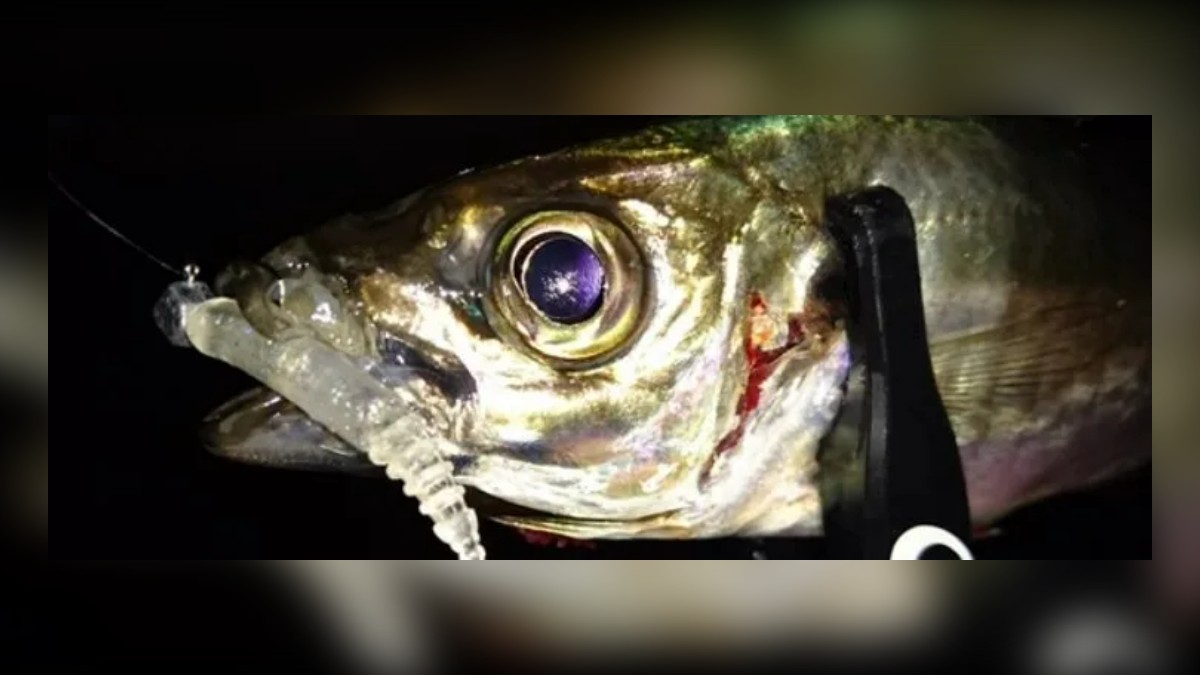
Fishing jigheads under a pier light but only catching small aji (Japanese horse mackerel)? Often the better schools are out beyond jighead range. That is where float rigs and Carolina rigs come in — long-distance rigs that deliver a light jighead far out.
Both use a weighted float or sinker to cast, with a light jighead trailing behind to get the bite. Their big advantage is reaching distances and depths a jighead alone cannot.
In short, these rigs extend ajing’s strength — getting bites on light jigheads — further out and deeper.
| Rig | How it works | Best depth | Character |
|---|---|---|---|
| Floating float | A buoyant float provides the weight | Surface | Keeps the rig high, retrieved slowly |
| Suspending / sinking float | A slowly sinking float | Surface to mid-depth | Choose the sink rate to match mid-depth schools |
| Carolina rig | A sliding sinker provides the weight | Mid-depth to bottom | Easy to fish deep; wide choice of weights |
| Split shot | A small sinker pinched on the line | Surface to mid-depth | Simple and quick; moderate distance |
Rule of thumb: floats for high fish, Carolina for low fish. If unsure, start with a suspending or slow-sinking float that covers a wide depth range.
| Part | Guide |
|---|---|
| Main line | PE about 0.3–0.4 (distance and sensitivity) |
| Shock leader | Fluorocarbon about 1.5–2, roughly one arm-span, between PE and float/sinker |
| Float / sinker | About 5–15 g, chosen by distance and target depth |
| Swivel | Below the float or sinker, to prevent twist and slipping |
| Trace | Fluorocarbon 0.8–1, about 1–1.5 m |
| Jighead | Light, about 0.4–1 g |
A shorter trace tangles less; a longer one lets the jighead drift more naturally. Start around 1 m and adjust. Check each float or sinker maker’s recommendations too.
| Part | Guide | Why |
|---|---|---|
| Rod | About 7–8 ft, rated 10 g+ | Casts heavy rigs and sets hooks at distance |
| Reel | 2000–2500 | Spare line capacity and faster retrieve |
| Line | PE 0.3–0.4 | Distance and sensitivity for far-off bites |
Heavy rigs can stress short jighead rods — always check the maximum lure weight. More 7 ft-class all-round light-game rods now handle everything from jigheads to float rigs.
| Situation | Response |
|---|---|
| Clear “tick” | Set by reeling rather than sweeping the rod |
| Just weight | Keep reeling; lift the rod once the weight loads up |
| Bites but no hook-ups | Shorter trace, lighter jighead or smaller worm |
With lots of line out, a rod sweep does not transmit well. Use low-stretch PE and set the hook by winding.
| Problem | Cause | Fix |
|---|---|---|
| Tangles | Jighead wraps round the float on landing | Feather the cast just before splashdown so the rig lands straight |
| Twisted trace | Rig spinning | Use a swivel; do not retrieve too fast |
| Poor distance | Rod and rig weight mismatched | Choose a float/sinker within the rod rating |
| Lots of snags | Carolina sunk too deep | Shorter count, or switch to a float |
Tangles are the number-one problem; feathering every cast cuts them dramatically.
| Situation | Rig |
|---|---|
| Current line beyond the light | Suspending to slow-sinking float |
| Only small aji at your feet | Float or Carolina for bigger fish out wide |
| Deep harbour, fish near bottom | Carolina, slowly near the bottom |
| Too windy for jigheads | Heavier float or Carolina |
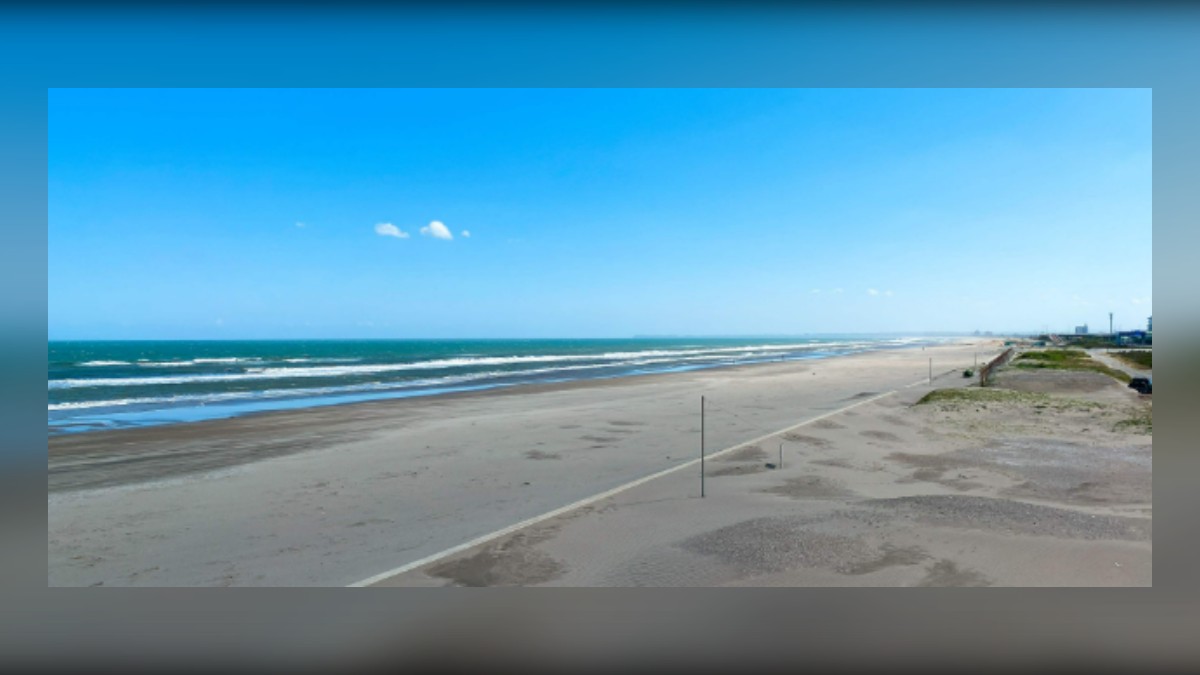
| Ajing from a beach | Float and Carolina are standard for distance |
Jighead ajing tends to be a battle within the small area under a light. Once you can use float and Carolina rigs, you can reach current lines, deeper layers and bigger fish out of jighead range. Check the depth with jigheads first, switch to a long-distance rig when they cannot reach — two approaches that greatly expand your winter options. Don’t stop at your feet. Practise on a calm day first.