Autumn Eging for Young Aori-ika: Catching More Squid in September and October
minagiman
Minagiman's Fishing Adventures in Japan

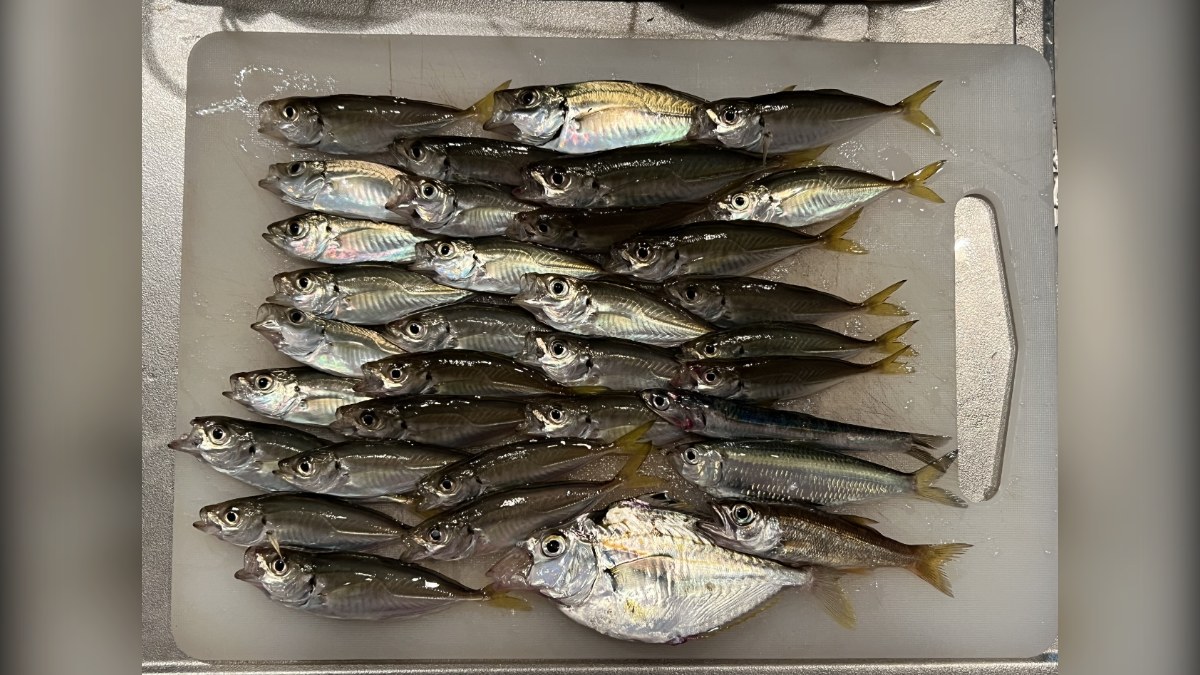
If you ask Japanese anglers how they catch aji (horse mackerel), tachiuo (ribbonfish) or madai (red sea bream), a lot of them will say “noriai-sen”. A noriai-sen is a shared party boat: you do not charter the whole boat, you simply buy a seat, and the captain takes a group of anglers out for the day or half day.
For an overseas angler visiting Japan, a party boat is often the best way to catch fish. The captain finds the fish, the boat supplies bait and ice, and rental tackle is common. But the system can be confusing the first time: you book by phone, seats are allocated in odd ways, and every boat specifies the exact sinker weight you must use. This guide explains how it all works.
“Noriai” means “riding together” and “sen” (or “bune”) means boat. Party boats are run by “funayado”, traditional boat shops at fishing ports. Each funayado posts which species it is targeting that day (for example aji, tachiuo, or a mixed “light” trip), the departure time and the price. Anyone can join, including solo anglers. The other type is “kashikiri”, a private charter of the whole boat for your group.
| Type | How it works | Best for |
|---|---|---|
| Noriai-sen (shared) | Buy one seat, fish with strangers, fixed target species and departure time | Solo anglers, couples, first-timers |
| Kashikiri (charter) | Rent the whole boat for a group | Groups, families, special requests |
Traditional boat shops still take most bookings by phone, and some take phone bookings only. A beginner guide on the Japanese travel site CREX notes that phone lines are usually open from around 9:00 to 19:00, and ANA’s travel magazine recommends calling the boat by the day before your trip. Calling in Japanese is the biggest barrier for visitors, so here are your options:
Always confirm the meeting time, the target species, whether rental tackle is available, and what is included in the price.
Prices vary by region, species and trip length. These are the figures I found in current Japanese and English sources:
| Trip | Typical price | Source |
|---|---|---|
| Shared boat, half day | about 8,000 to 12,000 yen | CREX beginner guide |
| Shared boat, full day | about 10,000 to 15,000 yen | CREX beginner guide |
| Tokyo Bay light aji, half day (Yokohama) | from about 6,000 to 6,800 yen | Activity Japan listings |
| Tokyo Bay shared trip, 120 min (Haneda) | from about 8,000 to 9,000 yen | Activity Japan listings |
Extras can include rental tackle (CREX lists about 1,000 to 3,000 yen), rigs and sinkers, and sometimes a life jacket rental. Short tourist trips that include rods, bait and life jackets in the price are the simplest option if you do not have your own gear.
Morning trips often leave early, and boat guides recommend arriving 30 to 60 minutes before departure. Seats are allocated in one of three ways, depending on the boat:
A typical routine, as described in a Shimano article about a Yokohama boat shop, is: take a numbered tag at reception, buy your ticket from the machine, swap the ticket for ice, then board at your numbered seat. Thread your line through the guides and set up your rig before the boat leaves, as you will not have much time once the captain starts fishing.
This is the most important rule for foreign anglers. On a party boat, the captain specifies the sinker weight in “go” (the Japanese size unit, about 3.75 g per go for sinkers) and everyone on board must use the same weight. If one person uses a lighter sinker, their line drifts and tangles with everyone else.
| Trip type | Typical sinker | Notes |
|---|---|---|
| Traditional Tokyo Bay aji (“bishi aji”) | 120 to 130 go cage sinker | Heavy tackle, deeper water |
| Light tackle aji (LT aji) | 40 go cage sinker | Now standard on many Tokyo Bay boats |
| Tachiuo (ribbonfish), tenbin rig | around 60 go | PE line 1.5 to 2 go typical |
These are examples from Shimano’s boat-shop reports, not fixed rules. Always use the weight your boat specifies. If you want the background on these fish, see my aji guide and tachiuo guide.
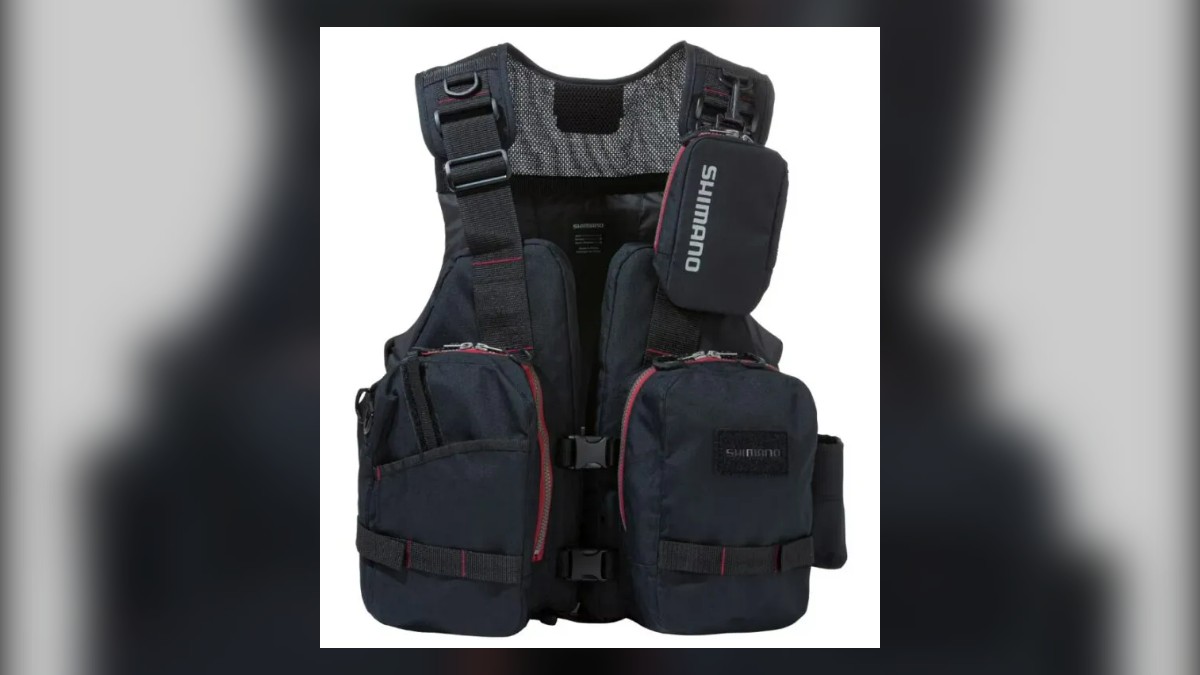
Since February 2018, Japan’s Ministry of Land, Infrastructure, Transport and Tourism (MLIT) requires everyone on the exposed deck of a small vessel to wear an approved life jacket. Approved jackets carry the “sakura mark” (a cherry blossom symbol). Most party boats lend approved jackets, but if you bring your own from overseas, check with the boat first, as it may not meet the Japanese standard.
| Word | Meaning |
|---|---|
| Funayado | Boat shop that runs the trips |
| Noriai | Shared trip (you buy one seat) |
| Kashikiri | Private charter |
| Tana | The depth the captain tells you to fish |
| Omatsuri | A tangle between two anglers |
| Bishi | Chum cage sinker used for aji |
| Tenbin | Wire arm that keeps the rig away from the sinker |
| Sumimasen | Sorry / excuse me |
Even if you only remember “tana” and “sumimasen”, it shows the captain and the regulars that you have done your homework, and they will usually go out of their way to help you catch fish. Write the boat name, the meeting time and the target species on your phone before you leave the hotel, because early-morning ports can be hard to navigate in the dark.
Seasickness ruins more first trips than bad fishing. Japanese guides give the same advice I would: sleep well the night before, avoid alcohol, eat a light breakfast, take motion sickness medicine 30 to 60 minutes before boarding, and look at the horizon rather than your phone. If you start to feel sick, move to the fresh air at the side of the boat.
Tokyo Bay is the easiest place to start, with boats leaving from Haneda, Yokohama (including Kanazawa-hakkei), and the Miura Peninsula. I cover the Tokyo options in more detail in Fishing in Tokyo for Tourists. Outside Tokyo, almost every fishing port in Japan has funayado, so ask at the local tackle shop.
Yes. Solo anglers are completely normal on Japanese party boats.
Not for ordinary sea fishing from a party boat. Read Do You Need a Fishing License in Japan? for the details.
Usually yes, within the rules for each species. Some trips can even introduce a restaurant that will cook your fish.
Book through an English platform, learn the words “tana” (depth), “omatsuri” (tangle) and “sumimasen” (sorry / excuse me), and watch what the regulars do. Captains and deckhands are generally happy to help a polite beginner.
A noriai-sen is the most reliable way for a visitor to catch fish in Japan. Book ahead, arrive early, use the sinker weight the boat specifies, wear an approved life jacket, and apologise for tangles. Do that and you will fit in with the regulars, and probably go home with a cooler full of aji.