Pacific Bluefin Tuna Rules for Anglers in Japan (2026): Registration, the 30 kg Limit and What to Do if You Hook One
minagiman
Minagiman's Fishing Adventures in Japan

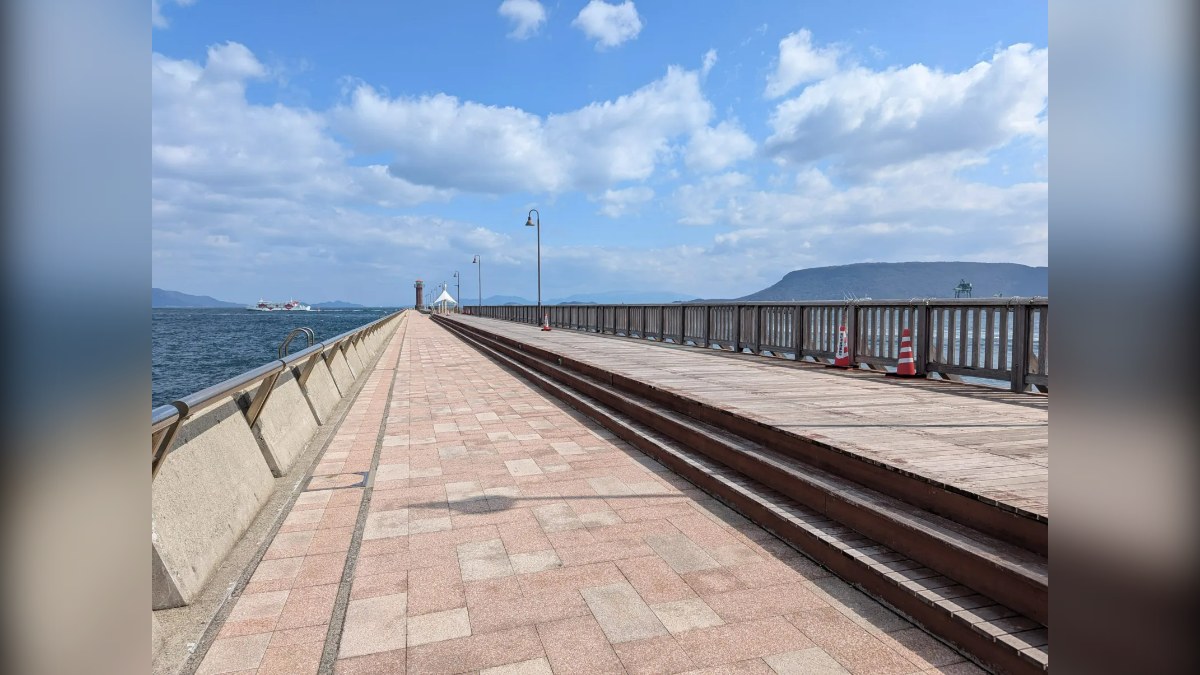
Tokyo is one of the biggest cities in the world, but it sits right on the edge of Tokyo Bay, and Japanese anglers fish it all year. The catch for visitors is that most of the bay shoreline is industrial port land, and a lot of it is fenced off or closed to fishing. If you just walk to the nearest sea wall with a rod, there is a good chance you will be standing in a no-fishing zone.
So this guide is about where a tourist can actually fish in and around Tokyo, legally and without a car: public fishing facilities on the bay, the short “party boat” trips that leave from Haneda and Yokohama, a rental-boat pond in the middle of the city, and day trips a train ride away. I have spent years fishing the Pacific coast of Shizuoka (the Enshu-nada surf), so I will also tell you what to pack and how to avoid the usual first-timer mistakes.
For ordinary rod-and-line sea fishing in Tokyo Bay, you do not need a national fishing license. That does not mean anything goes: piers and parks have their own rules, some areas are closed to anglers, and rivers and lakes are often managed by local fishing cooperatives that sell day tickets. I explain the whole system in Do You Need a Fishing License in Japan?. The short version for Tokyo: fish only where fishing is clearly allowed, follow the posted rules, and buy a ticket where one is required.
The easiest way to fish the bay from shore is a public “umi-zuri shisetsu” (sea fishing facility). These are piers or sea walls run by a city or a port authority, with fences, toilets and staff. They are the closest thing Japan has to a safe, legal, beginner-friendly city pier.
Wakasu Seaside Park is on reclaimed land facing Tokyo Bay, next to the Tokyo Gate Bridge. The Tokyo Metropolitan Government’s park leaflet lists an ocean fishing dock open from 6:00 a.m. to 9:00 p.m., and an artificial shore area that is open all day. Facility use can be restricted in bad weather, and the map marks the area along the Tokyo Gate Bridge as no fishing.
Yokohama, about 30 minutes from central Tokyo, runs three dedicated sea fishing facilities through the city’s Port and Harbor Bureau: Daikoku, Honmoku and Isogo. The city notes that fishing on the breakwaters and other port areas is prohibited except at these facilities, which tells you how important it is to use them rather than random sea walls.
These are the official fees and hours published by the City of Yokohama (check the city site before going, as they can change):
| Facility | Fishing fee (adult) | Hours | Access |
|---|---|---|---|
| Daikoku | 900 yen (plus 100 yen admission) | Apr to Oct 6:00 to 19:00; Nov to Mar 7:00 to 17:00 | City bus from Yokohama Station West Exit or Tsurumi Station |
| Honmoku | 900 yen (plus 100 yen admission) | Apr to Oct 6:00 to 19:00; Nov to Mar 7:00 to 17:00 | City bus route 26 from Yokohama Station East Exit or Sakuragicho |
| Isogo | 500 yen (plus 100 yen admission) | Seasonal, roughly 8:00 to 17:00/19:00 | City bus route 85 from Isogo Station |
All three are closed on 31 December and 1 January and on inspection days, and the Kanagawa tourism site notes that Daikoku is also closed on the third Tuesday of odd-numbered months. Junior high and elementary school students pay less, and multi-visit coupons are sold.
Typical catches at Tokyo Bay piers are the same fish you will see in every Japanese tackle shop: aji (horse mackerel), saba (mackerel), iwashi (sardine), kasago (scorpionfish), and in season seabass and tachiuo (ribbonfish). If those names are new to you, keep my Japanese fish names glossary open on your phone.
If you want to actually catch fish rather than hope for them, a boat is the best bet. Japan has a strong “noriai-sen” (shared party boat) culture: you buy a seat, the boat supplies bait and often rental rods, and the captain takes everyone to where the fish are.
For visitors there are now short, tourist-friendly trips that you can book online in English. At the time of writing, Activity Japan lists Tokyo Bay aji trips from Yokohama boat shops starting at around 6,000 to 6,800 yen for a half day, and a 120-minute shared trip from Haneda that starts at around 8,000 yen. A Haneda shared boat listed on LiveJapan/KKday advertises gear rental and a pier within walking distance of a Haneda Airport station, which makes it one of the few fishing trips you could squeeze in before a flight.
Prices, inclusions and minimum numbers change often, so treat those numbers as a guide and check the listing. I have written a full guide to how these boats work, what to bring and the etiquette on board in Party Boat (Noriai-sen) Fishing in Japan.
If you only have an hour, Benkeibashi Boat Pier in Chiyoda Ward is a fun curiosity: a rental-boat and dockside fishing spot in the old moat near Akasaka-Mitsuke Station. Tokyo Cheapo reports dockside fishing at 490 yen per 30 minutes and rowing boats by the hour, with rods, bait and lures for rent. Target fish include carp and bass. It is not serious fishing, but it is the only place I know where you can fish between skyscrapers within a few minutes’ walk of a subway station.
If you have a full day, the fishing gets much better once you leave the inner bay:
For a pier session, a light spinning rod of about 2 to 2.5 m with a 2500 to 3000 size reel covers most Tokyo Bay fish. The most common Japanese beginner method is “sabiki”: a string of small flasher hooks with a small cage of chum, jigged up and down under your feet. You can buy ready-made sabiki rigs at any tackle shop for a few hundred yen.
If you are flying in, renting is often simpler than travelling with rods. Party boats usually offer rental rods and reels, and some fishing facilities and the Benkeibashi pier rent tackle. Tokyo also has plenty of tackle shops. Big chains such as Joshuya and Casting have stores around the Kanto region, and Tackle Berry specialises in used tackle, which is a fun place to look for Japan-only lures and reels. If you are thinking of taking gear home, read How to Buy Japanese Fishing Tackle from Overseas for notes on tax-free shopping and shipping.
| Season | What to expect |
|---|---|
| Spring (Mar to May) | Water warms, small fish return to the piers. Good time for seabass and the first aji. |
| Summer (Jun to Aug) | Busy season for sabiki fishing (aji, saba, iwashi). Go early morning to avoid the heat. |
| Autumn (Sep to Nov) | Usually the best all-round season: lots of fish and comfortable weather. Tachiuo boats are popular. |
| Winter (Dec to Feb) | Fewer fish from shore and shorter facility hours, but party boats keep running for aji and other species. |
No. Large parts of the shoreline are port facilities where fishing is banned. Use public fishing facilities, parks that allow fishing, or a boat.
A short party boat trip from Haneda or Yokohama with rental gear. Second best is one of Yokohama’s public fishing piers, where the rules, fees and hours are clearly published.
It helps, but online booking sites now offer English pages for many trips. At piers, a translation app and a polite attitude go a long way.
Tokyo is not a city where you can fish from any sea wall, but it has more legal options than most visitors realise. Start with Wakasu Seaside Park or the Yokohama piers for shore fishing, book a short party boat if you want a better chance of fish, and take a day trip to Enoshima, Miura or Boso if you have more time. Check the rules on the day, respect the locals, and you will have a great time fishing in one of the world’s biggest cities.