Japanese Rod Model Names Decoded: S96ML, 86MLB-4, -S, -SMT and How to Read the Spec Table
minagiman
Minagiman's Fishing Adventures in Japan
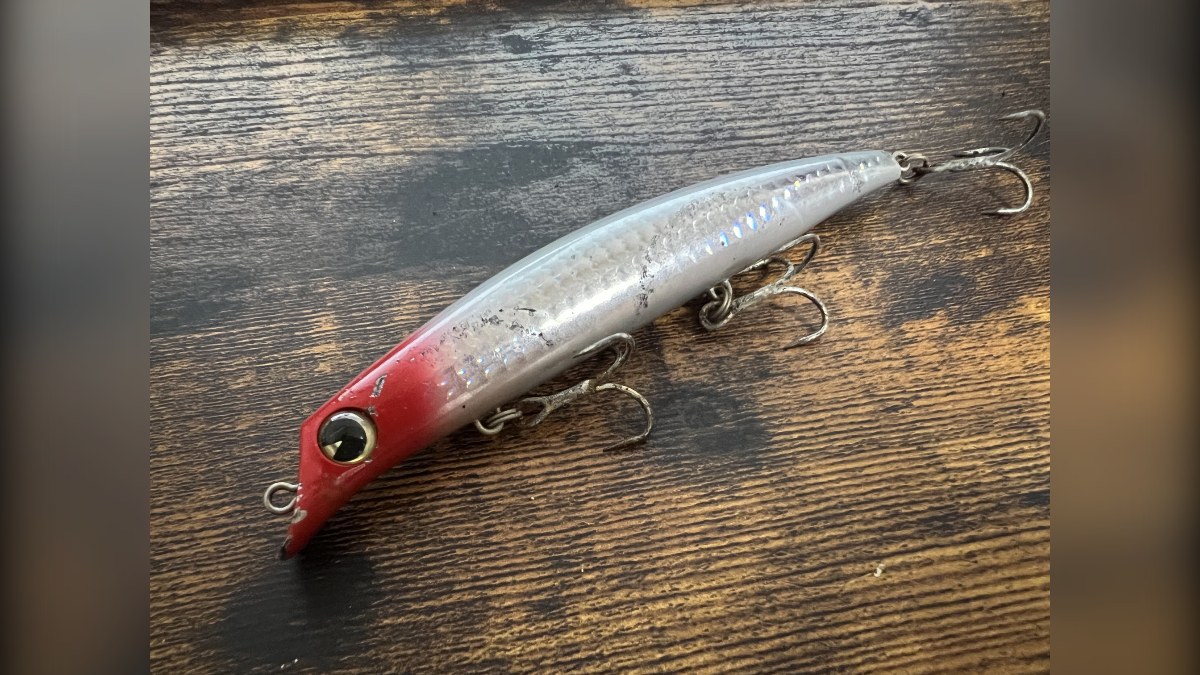
Japan makes some of the best fishing tackle in the world, and a lot of it never leaves the country. Many lure colours, rod lengths and reel versions are “JDM” (Japanese domestic market) only, and new releases often appear in Japan months before they reach overseas shops, if they ever do. So sooner or later most keen anglers ask the same question: how do I actually get this stuff out of Japan?
I am a Japanese angler who fished the Enshu-nada surf for years and now lives on the Gold Coast, so I see both sides: the Japanese tackle shelves and the overseas buyer trying to work out shipping, customs and tax. This guide walks through the four realistic ways to buy, what usually goes wrong, and the rules that changed recently. Customs and tax rules change, so always confirm the current rules for your country before you order anything expensive.
The simplest option is a Japanese store that already sells to foreign customers. Several specialist “JDM tackle” export shops have English sites, list prices in yen or your currency, and handle the export paperwork. Some large Japanese tackle chains and marketplace stores also ship abroad.
If you are still deciding which brands to look for, my overview of JDM fishing lures and Japanese tackle brands is a good starting point.
A proxy service buys an item for you from a Japanese website that will not ship abroad, receives it at its warehouse in Japan, then ships it to you. Well-known examples include Buyee, ZenMarket and FromJapan. They are also the usual way foreigners buy from Japanese auction and flea-market apps, which are a goldmine for discontinued lures and used reels.
If you are buying reels, learn the codes first. “C3000SDHHG” and “C3000XG” can look similar on a listing but hold completely different line. My guide to Japanese reel model names explains every letter.
A forwarder gives you a Japanese address. You buy directly from Japanese online shops yourself, have the parcels delivered to that address, and the forwarder sends them on (examples include Tenso and Blackship). This works well if you can navigate a Japanese website and the shop accepts foreign cards.
If you are travelling to Japan, buying in a tackle shop is often the cheapest and most fun option, and you can feel the rod before you pay. Note that Japan changed its tax-free shopping system on 1 November 2026:
Rods count as checked baggage on most flights, so ask your airline about length limits and rod tubes before you buy a long surf rod.
Japan Post EMS is the go-to service for many shops and proxies, but it has size limits. For the United States, for example, a retailer reported in October 2026 that EMS accepted parcels up to 1.5 m on the longest side and 2.75 m in length plus girth, and 30 kg. A one-piece bass rod or a long two-piece surf rod can exceed that once it is boxed. Options are a courier such as DHL or FedEx (more expensive but accepts longer boxes), choosing a multi-piece travel version of the rod, or buying it in person.
Courier services are fastest. EMS is usually the middle option. Cheaper economy services can be slow and are sometimes suspended to some countries. As a reference point only, one Japanese retailer quoted EMS with duties prepaid to Los Angeles at roughly US$38 for a 1 kg box and about US$107 for 5 kg in October 2026, excluding the duties themselves. Your price will differ by destination, size and date.
This is the part that has changed most in the last two years. Here is a quick overview of the main markets, based on official and trade sources available in November 2026. It is general information, not tax advice, so check your own country’s customs website before ordering.
| Destination | What to expect |
|---|---|
| United States | The duty-free de minimis exemption for low-value parcels was suspended in August 2025, so duties can apply to small parcels too. Japan Post postal shipping to the US was suspended and later resumed with EMS on a duties-prepaid basis, with a declared-value cap reported at US$2,500. |
| Australia | For goods up to A$1,000, GST (10%) is normally charged by the overseas seller or platform at checkout if they are GST-registered. Over A$1,000, GST (and possibly duty) is usually collected at the border by the ABF before release. |
| European Union | Import VAT applies to all goods regardless of value. From 1 July 2026 a flat EUR 3 customs charge also applies to low-value e-commerce parcels that used to be duty-free under the EUR 150 threshold. |
| United Kingdom | For consignments up to GBP 135, VAT is generally charged by the seller at the point of sale. Above that, import VAT and any duty are collected on import. |
Two practical tips. First, do not ask a seller to under-declare value: it is illegal and if the parcel is lost, your insurance is based on the declared value. Second, if a shop offers “DDP” (duties paid) shipping, compare the total with “DAP” (you pay on arrival) plus your carrier’s handling fee. The cheapest shipping line is not always the cheapest total.
Australia and New Zealand are strict about anything that may carry soil, sand or organic matter. New tackle is usually fine, but used rods, reels and especially wading gear should be clean, and natural materials such as wood, feathers or bait products may need checking. Look up your item in your government’s import conditions database if in doubt.
A JDM reel or rod bought from Japan is usually not supported by the local distributor in your country in the same way as a locally sold model. Before you buy, think about:
Prices in Japan have also been moving because of materials costs. If you are buying tungsten sinkers or jigs, my note on the 2026 tungsten price surge explains why.
For JDM-only models and lures, often the only option is Japan. For items sold worldwide, the Japanese price can be lower, but once you add fees, shipping and import tax, the gap can disappear, especially for heavy items or long rods. Compare the landed cost.
When a Japanese shop exports directly to you, the sale is normally tax-free. When you buy domestically through a proxy or forwarder, you usually pay the tax-inclusive price.
Possibly, but check the boxed length against the carrier limit. Long two-piece rods can exceed postal limits, so a courier is often the only option.
It depends on where you live, what you buy and current fees. Compare service fees, consolidation options and the shipping methods each offers to your country.