Autumn Eging for Young Aori-ika: Catching More Squid in September and October
minagiman
Minagiman's Fishing Adventures in Japan
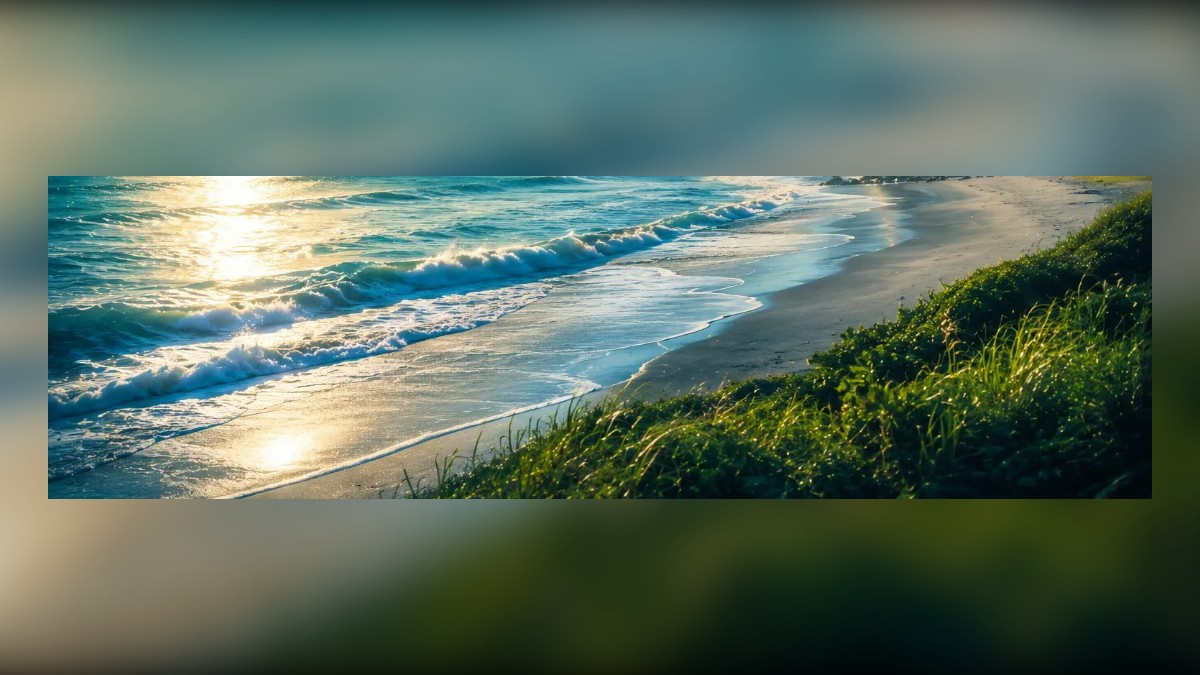
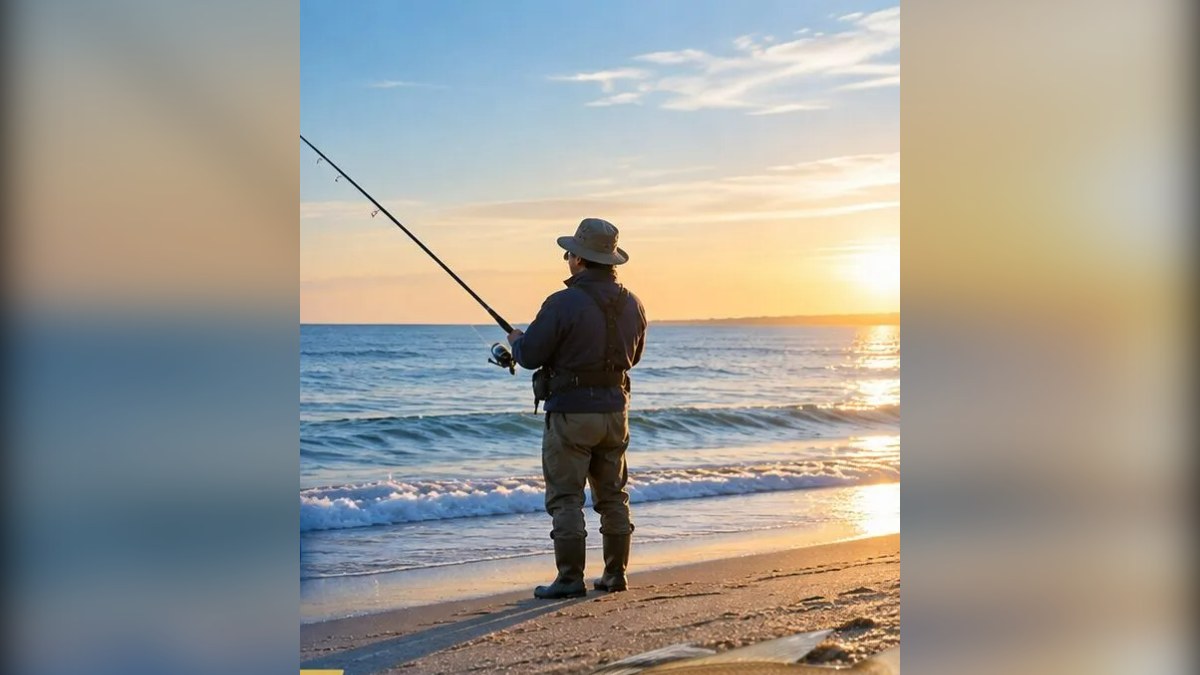
Most of my writing is about the western Enshu-nada coast — Hamamatsu, Iwata, Tahara, Irago. This time, the eastern end: Omaezaki to Makinohara in Shizuoka. The short version: this is the one part of Enshu-nada that is not all sand.
Shizuoka describes Enshu-nada as one of Japan’s longest sandy coasts, arcing gently east and west from the Tenryu River mouth, with dunes almost the whole way. But Japan’s Ministry of the Environment notes that while the coast from the Tenryu mouth to the Atsumi Peninsula is continuous sandy-beach habitat, only the area around Omaezaki has kelp and sargassum seaweed beds.
For anglers, that means sand species and rock species in the same area. Alongside flounder and flathead, Omaezaki lists hirasuzuki and ishidai (striped beakperch) — fish you will not see on the western sand beaches.
Omaezaki City promotes Omaezaki Long Beach for having both the big waves of the Pacific side and the calm, shallow water of the Suruga Bay side. In practice: if one side is blown out, the other may still be fishable. On the straight western Enshu-nada, a storm usually shuts everything down.
| Spot | Depth ~40 m out |
|---|---|
| Hamaoka dunes | ~2.5 m |
| Omaezaki Sakashita–Melon-mae (~35 m out) | ~1.6–1.7 m |
| Nakatajima (Hamamatsu) | ~1.8–2 m |
Figures from fishing-information sites, not official surveys. Hamaoka is described as relatively steep for Enshu, with pelagics and ribbonfish possible.
| Species | Season | Notes |
|---|---|---|
| Flounder | Peak Nov–Dec (Shizunami) | Dawn and dusk |
| Flathead | Summer | |
| Young yellowtail | Summer | |
| Warasa / buri | Late autumn | More fish when the westerlies strengthen in late autumn–winter |
| Seabass | Autumn (peak Oct) | Spring too |
| Hirasuzuki | — | Thanks to the rocks |
| Black bream | Peak Sep; spring Mar–May | |
| Whiting | Jun–Oct (peak Jun) | |
| Oonibe (meagre) | Unknown | Listed for Hamaoka |
A local tackle shop notes fish gather when the westerly wind strengthens in late autumn and winter — a wind that is usually a headwind on the western beaches but helps here.
| Spot | City | Parking | Toilets | Notes |
|---|---|---|---|---|
| Hamaoka dunes | Omaezaki | Free municipal, open 24 h | Yes | Steep for Enshu; pelagics, ribbonfish |
| Chihama beach | Kakegawa–Omaezaki | Yes | Yes | Continuous with Hamaoka |
| Sakashita–Melon-mae | Omaezaki | Several along the prefectural road | Yes (also out of hours) | Scattered submerged rocks; hirasuzuki |
| Omaezaki Long Beach | Omaezaki | Free municipal, 400+, 24 h | Several | Both sides of the cape; turtle nesting |
| Sagara Sunbeach / Sagara port | Makinohara | Large space north of the port | ? | Shallow; river mouth next door |
| Shizunami beach | Makinohara | Yes (7–19; paid in summer) | Yes | Major surfing spot |
First visit? Hamaoka dunes or Omaezaki Long Beach — free municipal parking open around the clock, plus toilets.
Omaezaki is the northern limit in Japan where significant numbers of loggerhead turtles come ashore to nest, and is a national natural monument (Omaezaki Long Beach and Shimomisaki beach). The patrol period is 15 May–31 August. Uncontrolled watching or entry for nesting turtles is banned, catching turtles or taking eggs is prohibited by ordinance, and photography and artificial lights should be avoided during nesting hours. On summer night trips, keep your headlamp low — never sweep it across the beach or over the sea.
Designated a “fishing culture promotion model port” in 2020, but closed and no-fishing areas exist. Always check the signs on site.
| Part | Guide |
|---|---|
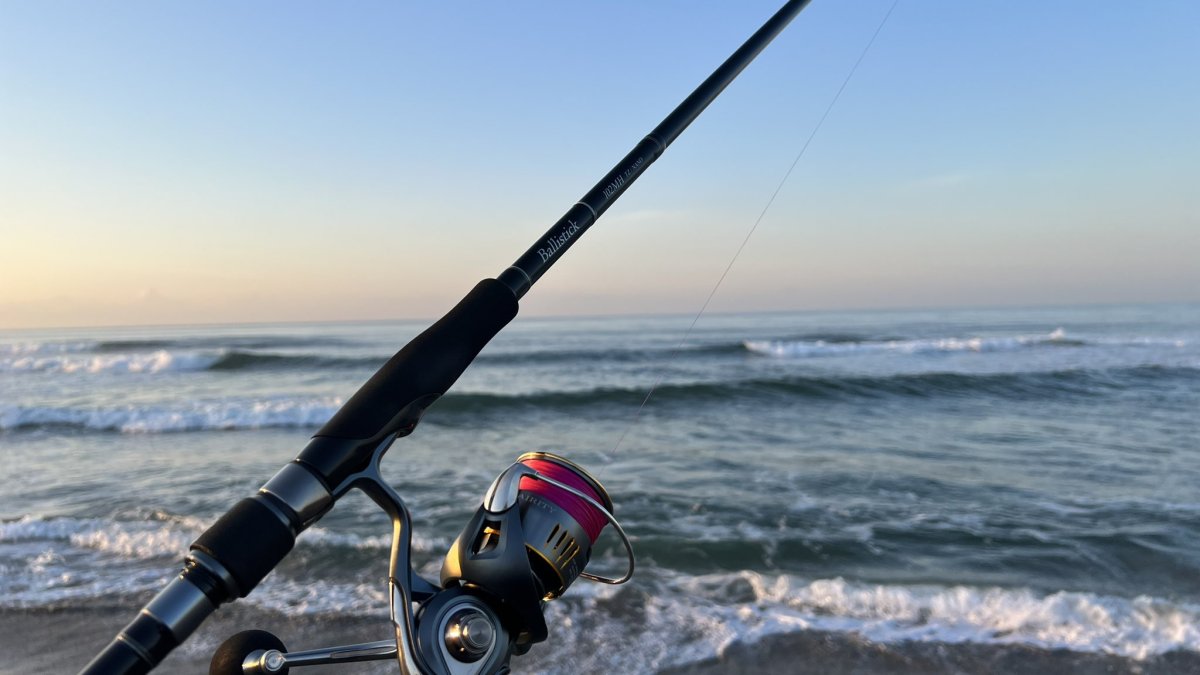
| Rod | 9’6”–10’6” ML–M |
| Reel | 4000 |
| Line | PE 1.0–1.2 |
| Leader | Fluoro 25–30 lb (thicker than in the west, for rocks) |
| Lures | Mainly floating minnows and fast-rising jigheads |
| Omaezaki–Makinohara (east) | Hamamatsu–Tahara–Irago (west) | |
|---|---|---|
| Habitat | Kelp and sargassum beds | Continuous sandy beach |
| Terrain | Sand mixed with rock, submerged rocks | Almost all sand |
| Sea | Different on each side of the cape — a backup | Straight; storms shut it down |
| Special species | Hirasuzuki, ishidai | Buri-class yellowtail |
| Special rules | Sea turtles (national monument) | — |
The west is about size and numbers; the east is about variety and options. If you fish western Enshu-nada, it is worth driving to the eastern end — it hardly feels like the same sea.