Hiika Eging: How to Catch Small Squid From Harbours on Winter Nights in Japan
minagiman
Minagiman's Fishing Adventures in Japan
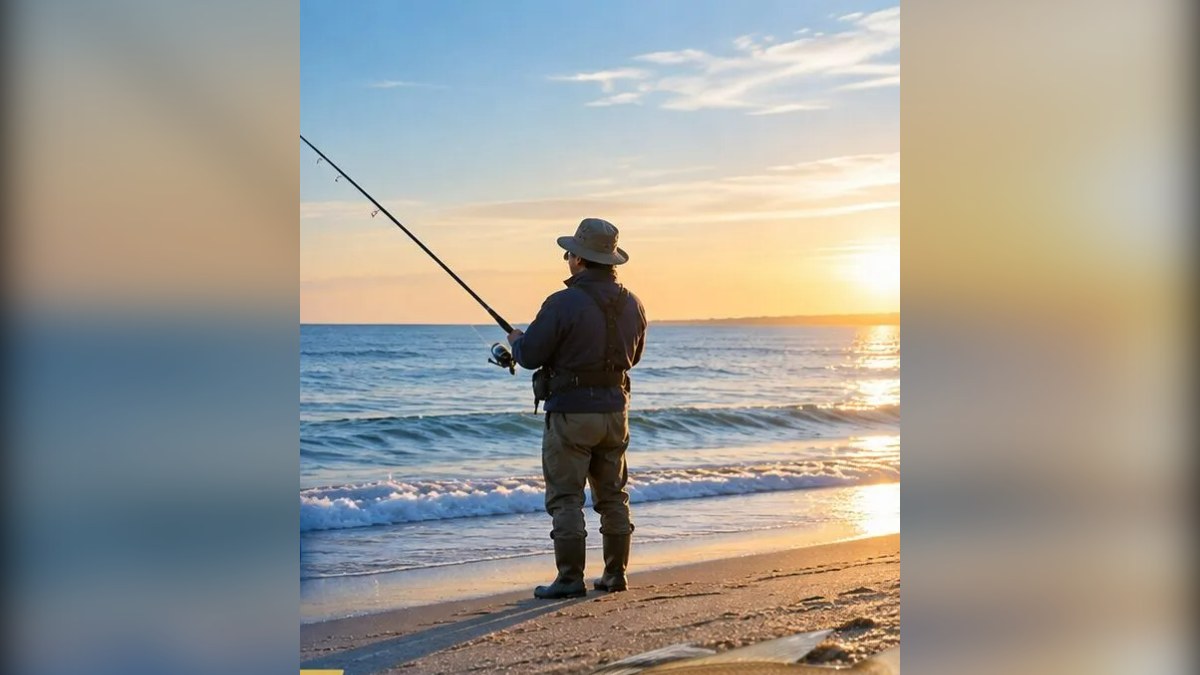
When people in the Tokyo area say “surf fishing”, Kujukuri is usually the first name. But while researching it I found one rule that can get you in real trouble if you do not know it — so that comes before the spots.
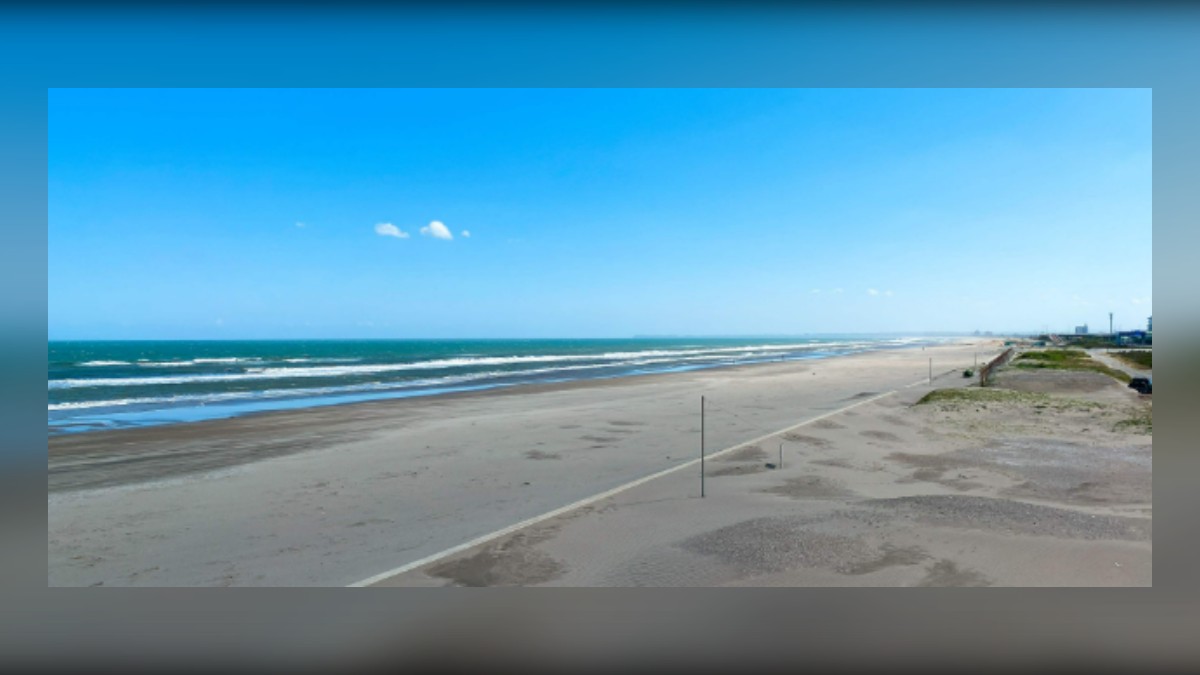
Kujukuri-hama runs about 66 km from Cape Gyobu (Asahi City) in the north to Cape Taito (Isumi City) in the south — one of Japan’s longest sandy beaches. Chiba Prefecture divides it at Katakai fishing port into North and South Kujukuri. Since the 1970s the beach has been eroding as sand supply dropped, which directly affects the terrain.
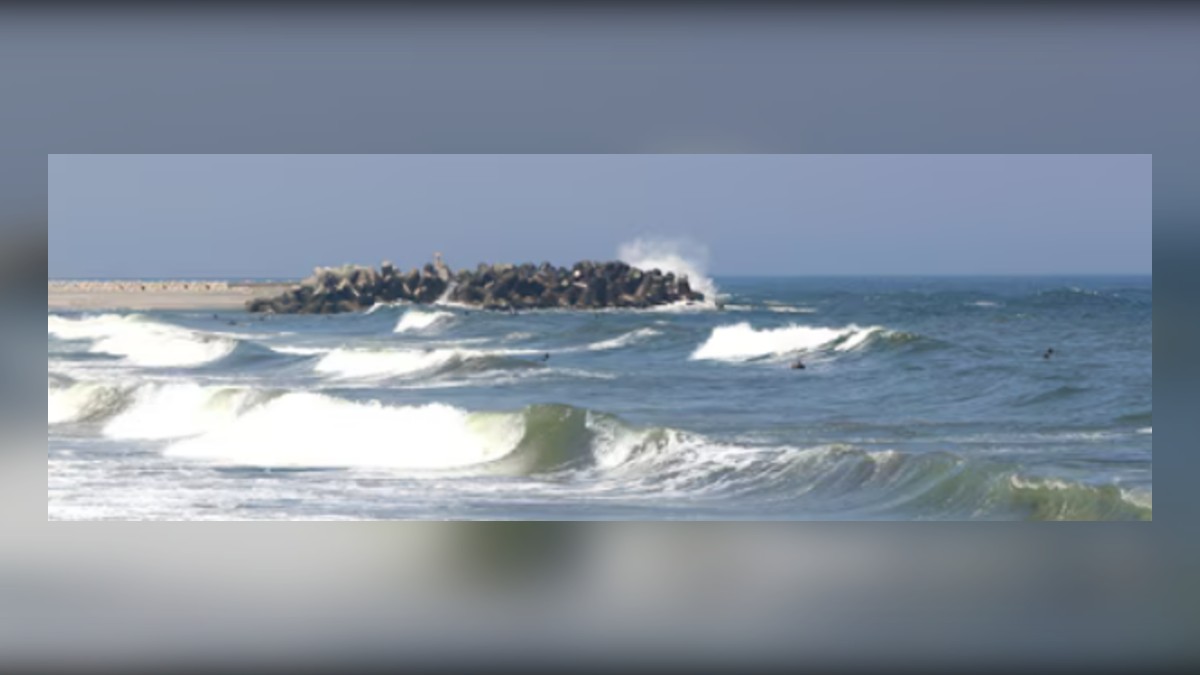
Twenty-two T-shaped artificial headlands stick out from the beach — 12 in the north and 10 in the south — to stabilise the shoreline. Sand builds up behind them, and for anglers these are ready-made structure. At Ichinomiya, ten headlands sit 400–950 m apart and reach about 200 m out, giving clear, evenly spaced landmarks.
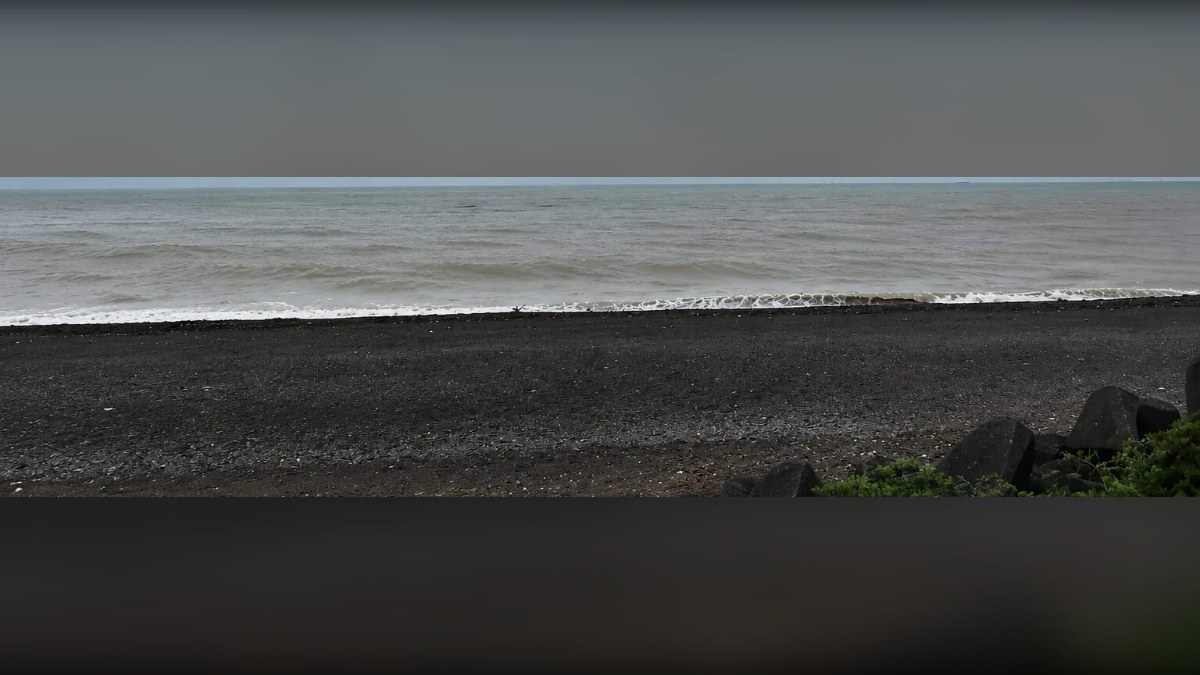
Chiba’s tourism site describes Shirasato as a gently shelving beach 500 m wide. But the prefecture’s civil-engineering office says Ichinomiya’s shoreline has retreated 20–70 m and become a steep, eroded beach. So the same coast mixes shallow and steep sections — choose between long-distance searching or working the close drop-off depending on where you fish.
Under a prefectural natural park ordinance, since 1 April 1998 vehicles have been banned from about 60 km of beach from Asahi to Ichinomiya — cars, motorbikes, buggies, bicycles, even horses. Penalty: up to one year in prison or a fine of up to 1 million yen. Only designated zones are exempt; Chiba publishes the list every year. The aim is to protect beach plants, little tern nesting sites and loggerhead turtle nesting.
Exception: Asahi City promotes Iioka beach as one of the few beaches in the Kanto region where you can drive onto the sand. Remember: Iioka yes, elsewhere no unless listed.
Kujukuri Town’s municipal car parks are open 24 hours and only charge on weekends and holidays from 6:00 to 15:00 — so weekdays are always free, and dawn starts on weekends are free too.
| Car park | Spaces | Charges |
|---|---|---|
| Katakai Kaihin Park | 1,266 | Weekends/holidays 6:00–15:00, and swimming season |
| Fudodo beach | 402 | Same |
Fees: 1,000 yen in swimming season, 500 yen at other charging times. Ichinomiya’s municipal car parks charge from 25 April to 11 January, 6:00–15:00 — check each town’s rules.
| Spot | Town | Parking | Toilets | Notes |
|---|---|---|---|---|
| Iioka beach / port | Asahi | At the port | ? | Northernmost; you can drive on the sand |
| Motosuka beach | Sanmu | 1,000 (paid in swim season) | Yes | Huge beach, ~160 m deep |
| Katakai beach | Kujukuri | 1,266, 24 h | ? | Centre point between north and south |
| Fudodo beach | Kujukuri | 402, 24 h | ? | Next to Katakai, same parking rules |
| Shirasato beach | Oamishirasato | 1,000 | ? | Shallow and gently shelving |
| Ichinomiya beach | Ichinomiya | Municipal | ? | 10 headlands; now steeper |
| Taito beach | Isumi | ~100, free | Yes | Southernmost; toilets and showers |
First time? Base yourself at Katakai or Fudodo — 24-hour parking, lots of spaces, and you can move north or south. If facilities matter most, choose Taito.
The Japan Coast Guard warns that very strong rip currents can form around the headlands — sometimes faster than an Olympic swimmer; Kujukuri Town gives up to 2 m per second. Do not stand on the headlands; fish from the sand. If you are caught, swim parallel to the shore — rips are only about 10–30 m wide. Always wear waders together with a life jacket.
Red stingrays bury themselves in the sand and have a strongly venomous spine. Shuffle your feet when wading. If stung, rinse with seawater and see a doctor. Gonzui (striped catfish) and haokoze also have venomous spines — do not handle unfamiliar fish.
No rule explicitly bans fishing during swimming season, but avoid casting in swimming areas while beaches are open.
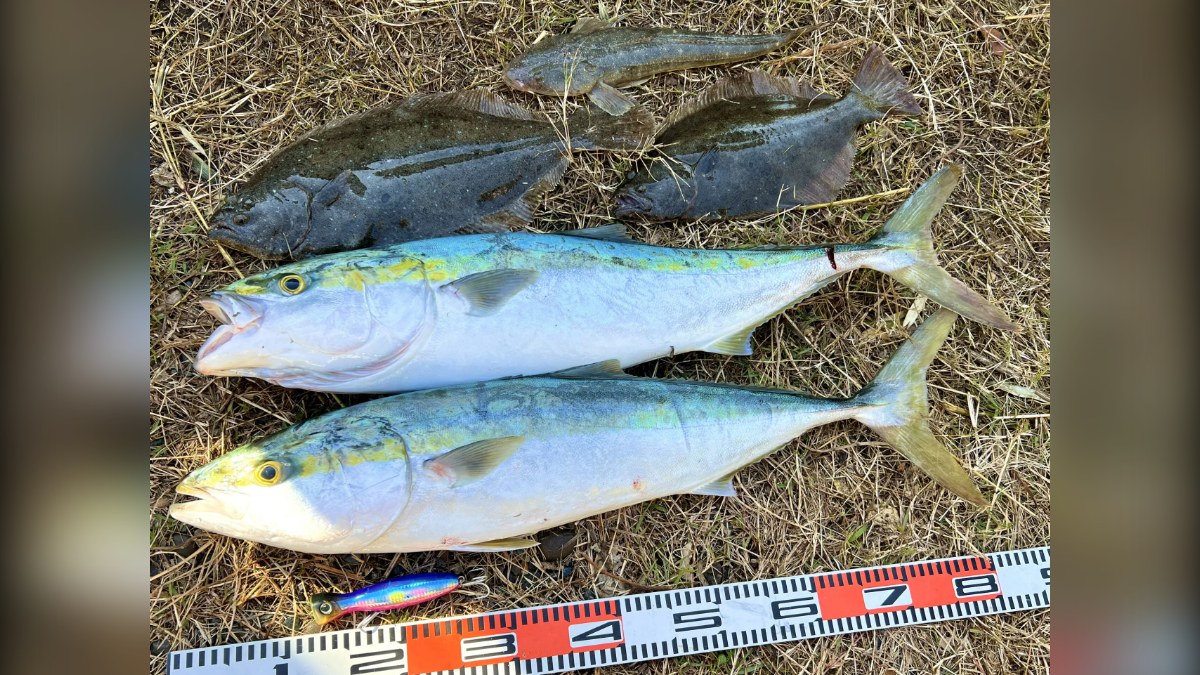
| Flounder / flathead | Seabass / pelagics | |
|---|---|---|
| Rod | 10–11 ft ML–M | 10–11 ft MH |
| Reel | 4000 | 4000–5000 |
| PE | 1.0–1.2 | 1.2–1.5 |
| Leader | Fluoro 20–30 lb | Fluoro 25–40 lb |
| Lures | 30–40 g jigs, minnows, soft plastics | Minnows, sinking pencils, metal jigs |
Few places within a day trip of Tokyo have surf on this scale. Learn the rules and the terrain — the beach-driving ban and the mix of shallow and steep beaches — and you will fish it far better from the first visit.