Matching the Bait on a Japanese Beach: Anchovy, Sardine, Whitebait and Gizzard Shad
minagiman
Minagiman's Fishing Adventures in Japan
“The water is cooling – it should start fishing soon.” You hear it every autumn on Japanese beaches, and it is true. But ask at what temperature, or how big a drop, and most people struggle to answer.
This is how I use water temperature to decide when and how to fish a surf beach. It is not oceanography. It is a practical set of rules of thumb for choosing between going and staying home.
The temperature on a given day matters less than which way it has moved since the day before.
| What the temperature is doing | What to expect |
|---|---|
| Falling slowly over several days | Fish become more active. This is the time to go |
| Dropped sharply overnight | Fish often stop feeding for a while |
| Has stopped falling and settled | Fish adjust within a few days and start feeding again |
| Risen suddenly | In autumn, not a bad sign. In summer, often makes fishing harder |
A single day’s reading tells you very little. Look at the trend over several days.
These are the commonly quoted ranges – a starting point for judgement, not a guarantee.
| Target | Comfortable range (approx.) | Notes |
|---|---|---|
| Flounder (hirame) | 15-25 °C | Slows down in the summer heat; improves as autumn cools the water |
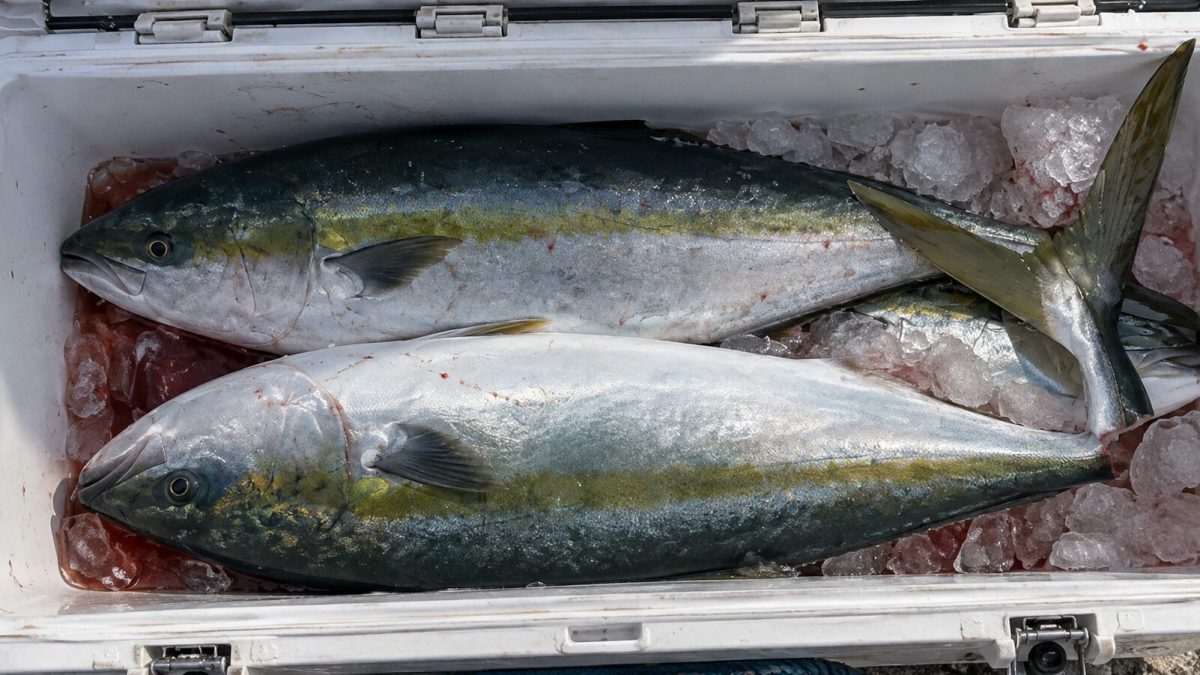
| Yellowtail (buri, warasa) | 18-24 °C | The start of the fall is the peak. Too cold and they move south |
| Ribbonfish (tachiuo) | 18-25 °C | Coincides with their autumn run inshore |
| Flathead (magochi) | Prefers warmer water | Best in summer; fades through late autumn |
| Seabass (suzuki) | Wide tolerance | Handles cold water well; can be fished through winter |
Bait and bottom structure can override all of this. The same temperature can produce a great day on one beach and nothing on the next.
In summer the inshore water is too warm. Flounder and pelagics drop deeper or stop feeding. When October cools it, the shallows become comfortable again.
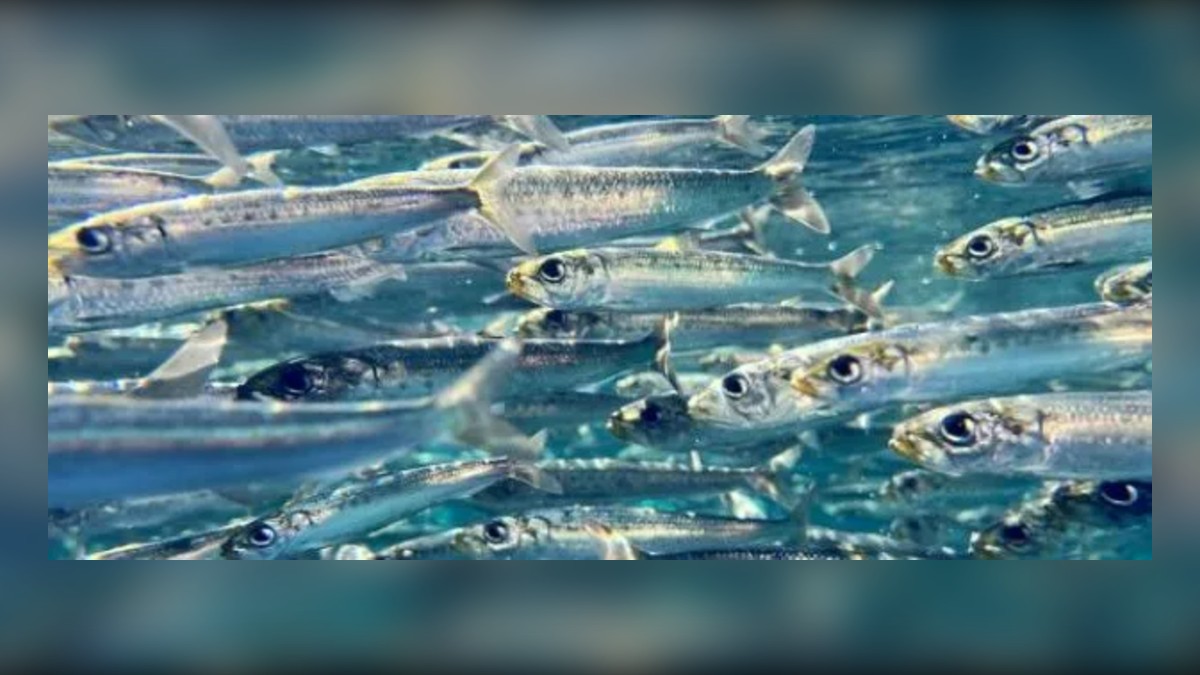
Small baitfish move as the temperature drops, and when they gather near the beach, predators follow. Bait is the thing to check first on the day – I cover how in matching the bait on a surf beach.
Fish build condition before winter, and autumn catches go up. It is a widely held rule of experience and the catch records back it up.
All three line up in October, which is why it is the peak month on Enshunada.
Some days the water drops from 20 °C to 17 °C overnight – typically after a typhoon or several days of strong north wind. Fish are cold-blooded and cannot adjust that fast, so they often stop biting for a while. What I do:
After a typhoon or a big swell, temperature and water colour move together – give the beach time on both counts.
| Method | Accuracy | Convenience |
|---|---|---|
| Sea surface temperature maps, forecast sites and apps | Rough, area-wide values | Excellent – check before you leave |
| Local fishing co-op or tackle shop reports | Close to measured | Good – strong local information |
| Take a thermometer | Exact, on the spot | Extra effort, but the most accurate |
My routine: watch a few days of trend on a forecast site, and only measure on the beach when I want to confirm something. The Japan Meteorological Agency and ocean-data sites publish sea surface temperature maps; just checking “how warm is it near my beach, and how does that compare with last week?” is surprisingly useful.
Water temperature is one input, and not the most important. My order:
Think of temperature as information for planning what to target and how on a day you have already decided to go.
There is no single number. But once the water drops to around 20 °C after the summer peak, fishing tends to improve. Rather than waiting for a figure, watch whether it is lower than last week.
For yellowtail, yes – they move south. Flounder and seabass can still be caught in winter. As the water cools, switch targets rather than stopping (see Japanese seabass in autumn).
Shallow water warms during the day. On open surf beaches, the change within a day is small; the change from one day to the next matters far more.