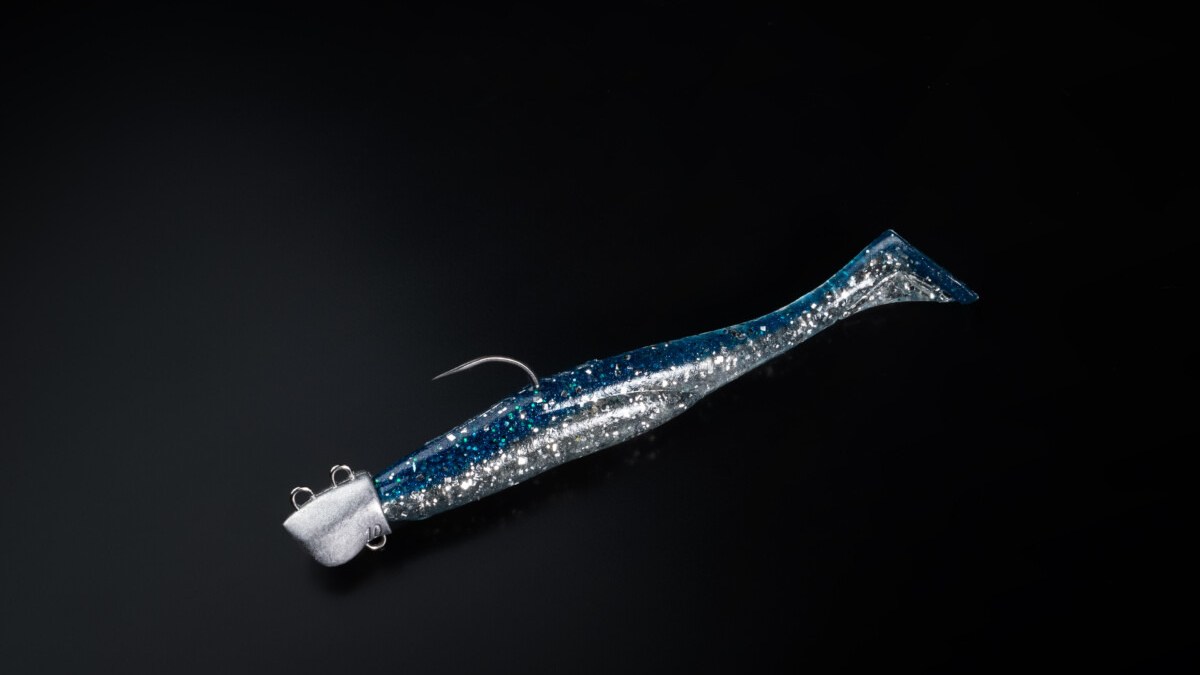
Jackson Tobisugi Daniel Review: The Long-Casting Blade Bait Japanese Surf Anglers Argue About
minagiman
Minagiman's Fishing Adventures in Japan
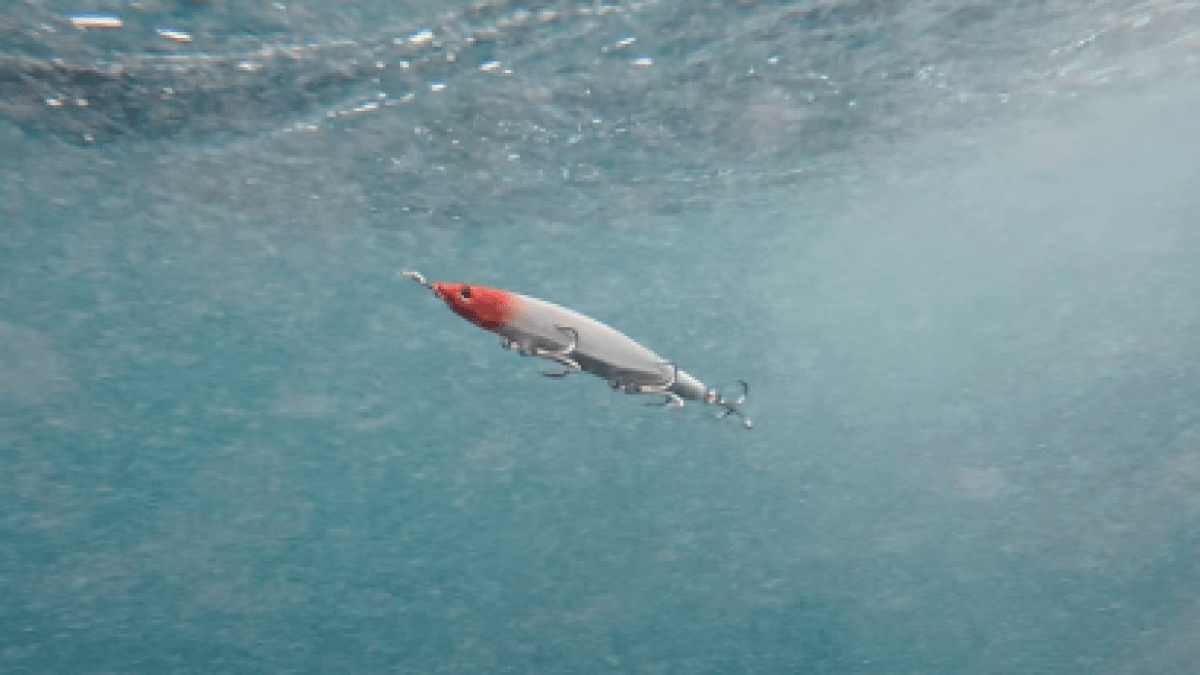
Note before you read: this is a September 2026 release and I have not fished it yet. Everything below is read off the published specification. I will add a proper impression once I have used one.
Shimano lists the Hikage 125S Jet Boost under seabass, sinking pencil. That categorisation is why people are confused about it – if you fish the surf, a lure filed under seabass looks like it is not for you. Look at the target species Shimano publishes and the story changes completely.
| Hikage 125S Jet Boost | |
|---|---|
| Model code | XQ-R12Z |
| Length | 125 mm |
| Weight | 40 g |
| Type | Sinking (heavy sinking pencil) |
| Hooks | #4 x 3 |
| Price | 2,400 yen (excl. tax) |
| Colours | 10 (Chrome Sardine, Matt Chart, Holo Red Head and others) |
| Release | September 2026 |
| Maximum cast | 96 m (under test conditions) |
Shimano’s own published target species for this lure are seabass, hirasuzuki (blackfin seabass), pelagics and flatfish. The fields listed are big rivers, surf, rocky shores and casting at surface-feeding fish, day or night.
In other words this is a general-purpose heavy sinking pencil for shore saltwater fishing. It sits in the seabass category because of how Shimano organises its product pages, not because of what it does. If you fish the beach, treat it as a surf lure.
96 m is a test figure, not what you will do on a windy Tuesday – it assumes a tailwind, matched tackle and a good caster. But the design behind it is real, and it is a hybrid: Jet Boost weight transfer combined with a fixed weight.
| When | Where the weight sits | Effect |
|---|---|---|
| In flight | Rear-balanced | Stable attitude, does not stall – it flies |
| After landing | Centre-balanced | Holds a horizontal posture and swims naturally |
That combination is the interesting part. Heavy sinking pencils usually trade swimming quality for distance; this one moves its balance point after it lands to get both.
On a beach, casting range is search area. There is no structure telling you where the fish are the way there is on a breakwater, so the further you can cover, the better your odds of finding the day’s fish. It matters most in two situations: when the break you want to fish sits beyond a shallow bar in front of you, and on days with a headwind, where 40 g and a stable flight attitude keep you fishing when lighter lures stop working.
125 mm matches a sardine-class baitfish, roughly 10 to 18 cm. Where that works against you is autumn beaches with small anchovy or whitebait around – when the bait is 5 to 10 cm, a 9 to 11 cm lure is the honest match. There is a counter-argument for deliberately showing a bigger silhouette to get noticed on a day when everything else is small, but do not expect it to be the default answer.
Since the selling point is the horizontal posture, a straight retrieve is where it should show best.
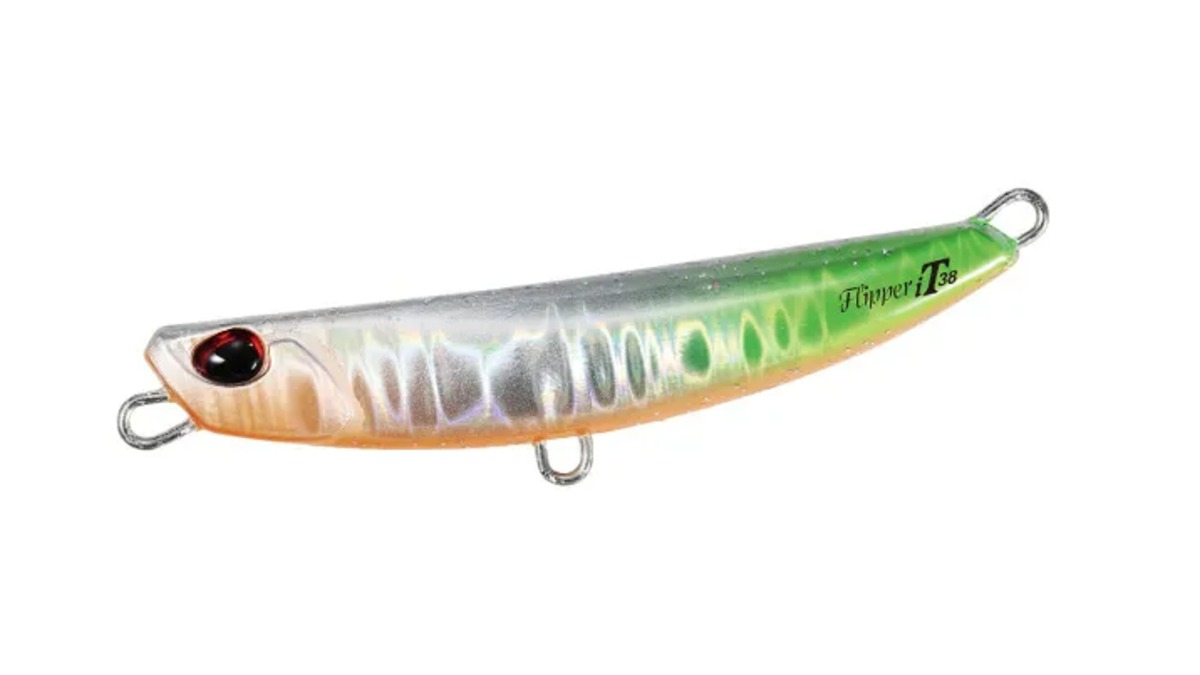
Plugs fail by breaking. A pelagic crushes the body, a rock chips it, a big fish opens the eye. At this price, each loss stings. What makes this interesting is that it is not an isolated decision – DUO’s new Flipper iTMB33 also went thick-bodied with a punched stainless eye. Japanese makers appear to be attacking the assumption that plugs are the fragile option in a surf box, and if you fish where big fish and hard structure both exist, that is a good trend.
| Upside | Downside |
|---|---|
| Higher chance of converting a bite | More snagging |
| Hooks whether the fish eats the head, middle or tail | Hooks and line tangle more easily |
| Picks up the short, tentative bites flatfish give | More damage to the fish – worth thinking about if you release |
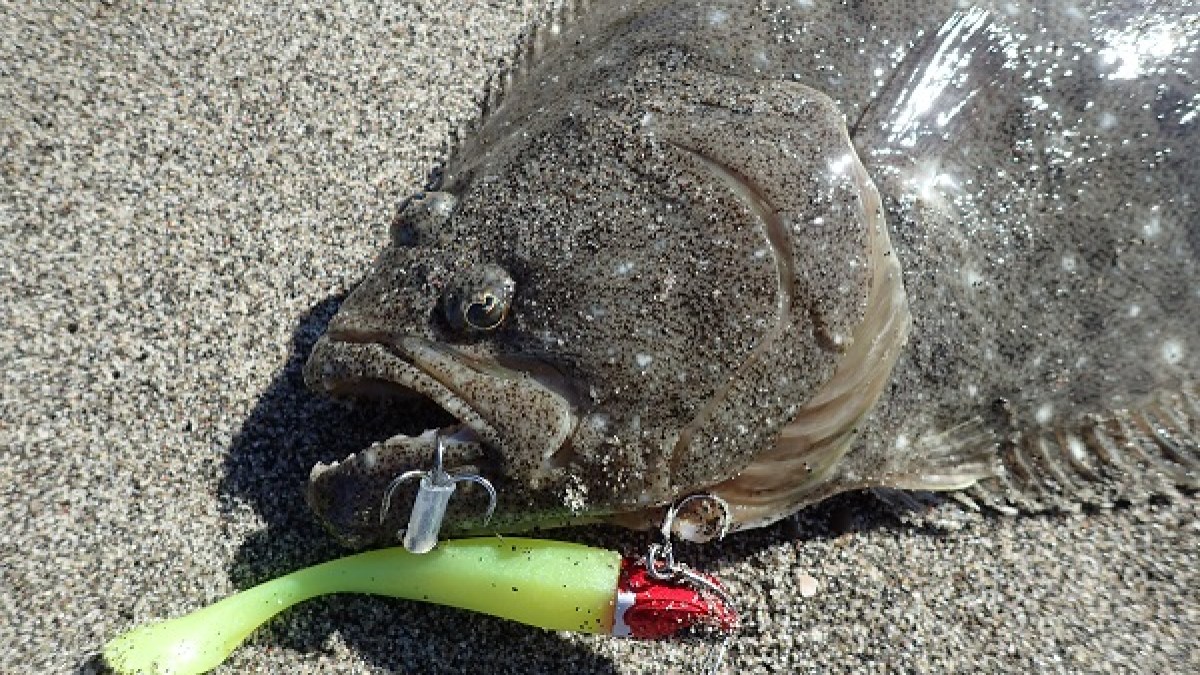
Flatfish often nip at the back of a lure rather than engulfing it, so three hooks is a defensible choice for that target. If you fish rough ground, expect to lose more lures than you would with two.
| Type | Job |
|---|---|
| Heavy sinking pencil (Hikage and similar) | Distance. Cover water, fish windy days, reach the outside |
| Standard sinking pencil | Getting bites. Natural presentation |
| Bladed sinking pencil | Appeal. Coloured water, or when you need to be noticed |
| Metal jig | Maximum distance, fast searching, deep water |
| Guide | |
|---|---|
| Rod | MH to H surf rod, or a 10 ft shore jigging rod – something that throws 40 g properly |
| Reel | 4000 to 5000 class |
| Line | PE 1.0 to 2.0 |
| Leader | Fluorocarbon 30 to 40 lb |
At 40 g a stiffer rod is easier to cast. If you fish mostly beaches, a long rod like the 26 Nessa XR is the natural pairing for squeezing distance out of it.
It is not surf-only, but surf is an officially intended field. Shimano’s product page simply files it under seabass; the published target species include flatfish and pelagics. Put it in your beach rotation without worrying about it.
Not in normal conditions – that is a maximum under test. What is fair to say is that it is designed to out-cast comparable lures, and the hybrid weight system is a real mechanism rather than a sticker.
Flatfish are on the official target list, and three hooks should help with their shallow bites. Working it near the bottom with a lift and fall is where I would start.