DUO Drag Metal Cast Explained: Every Shore Model and When to Use It
minagiman
Minagiman's Fishing Adventures in Japan
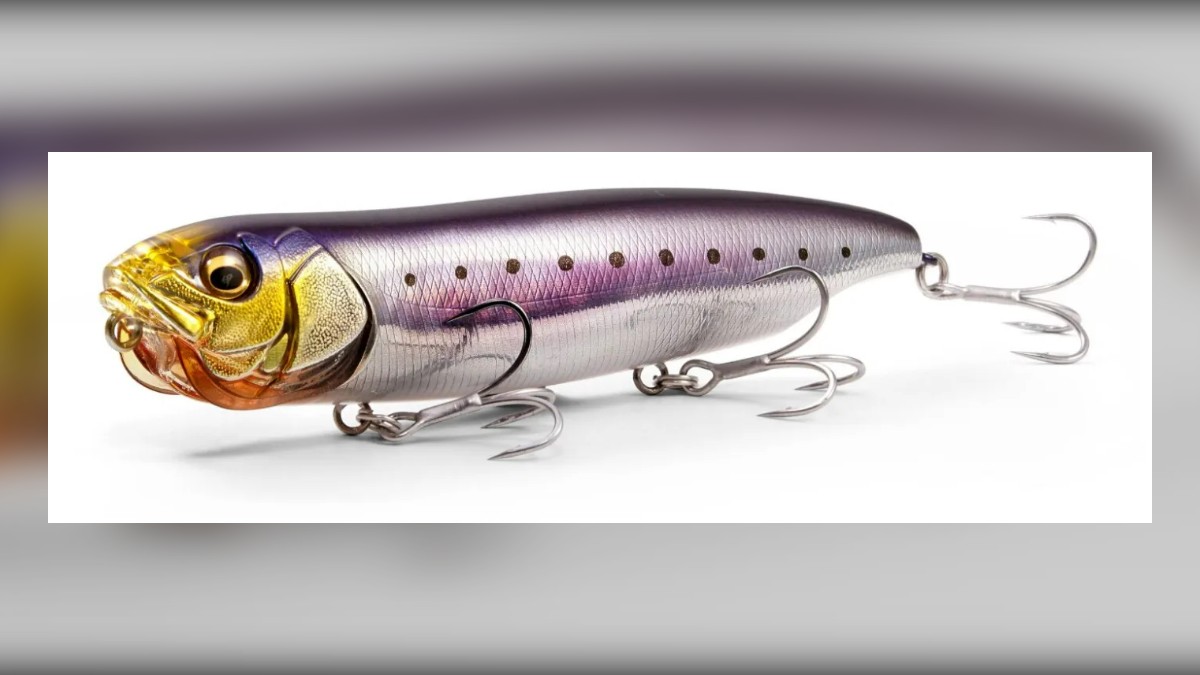
The moment a pelagic blows up on a surface lure is the most exciting moment in fishing. For that kind of topwater fishing, Megabass’s Dog MAX SW is one to watch. At 130 mm and 33 g, it hits a sweet spot for targeting pelagics and seabass from shore. Here is where it should shine.
Megabass’s DOG-X series is one of the company’s signature pencil-bait lines, dating back to its early years. The Dog MAX SW is the big 130 mm / 33 g version built for saltwater. With a wide side-to-side “walk the dog” and big slides across the surface, it imitates small baitfish fleeing on top – an obvious candidate for autumn pelagic season.
| Length | 130 mm |
| Weight | 33 g |
| Type | Floating (sliding / walking) |
| List price | 2,200 yen (excl. tax) |
| Colours | 14 |
| Released | September 2026 |
For a shore-cast pencil, 130 mm and 33 g is a good balance of distance and presence. Lighter, and it struggles to reach far out; heavier, and its action on the surface gets sluggish.
Two balancers inside move side to side with centrifugal force. Even small rod movements make it change direction by more than 180 degrees and slide widely across the surface. Pelagics feed by chasing baitfish fleeing on top – and a big sideways slide reproduces exactly that fleeing bait.
Metal-ball balancers knock against each other, producing a shock wave and a knocking sound with each rod movement – making fish below the surface aware of the lure.
Deeply cut gills under the head and a centre keel grip the water, stabilising the action while producing sounds and heavy splashes like a fish feeding. The hook eyes are swivelled, so the hooks resist twisting during the fight – fewer lost fish on hard-pulling pelagics.
The clearest use: when pelagics are driving bait to the surface. In those moments a lure that stands out on the surface often gets eaten faster than a sunk jig. Do not cast into the middle of the boil; cast ahead of the school’s direction and slide it across in front of them. That is the basic way to fish a pencil.
Even without boils, pelagics may be cruising under the surface. Then you can use the Sonic Knock and splash to call fish up from below. Surface lures are often thought of as something to throw only when fish are showing; I think of them as something to throw to bring fish up too.
Search the surface with the first few casts at dawn; if nothing happens, switch to jigs or sinking pencils to search deeper. That order tells you quickly what depth the fish are at.
For autumn-to-winter seabass eating gizzard shad and big mullet, the 130 mm volume fits too. (See Japanese seabass in autumn.)
| Rod action | Lure action | When |
|---|---|---|
| Repeated short jerks | Walk the dog, head swinging side to side | The basic retrieve; keep a steady rhythm |
| Bigger jerks | Big slides across the surface | To imitate fleeing bait |
| Jerk and pause | Moves, then stops | Gives a following fish time to eat |
The trick with a pencil is to keep the rod tip low and “snap” the slack line. If the line is too tight, the lure will not swing its head – it just comes straight towards you.
| Lure | Strength |
|---|---|
| Dog MAX SW (pencil) | Slides widely across the surface; gets ahead of boils |
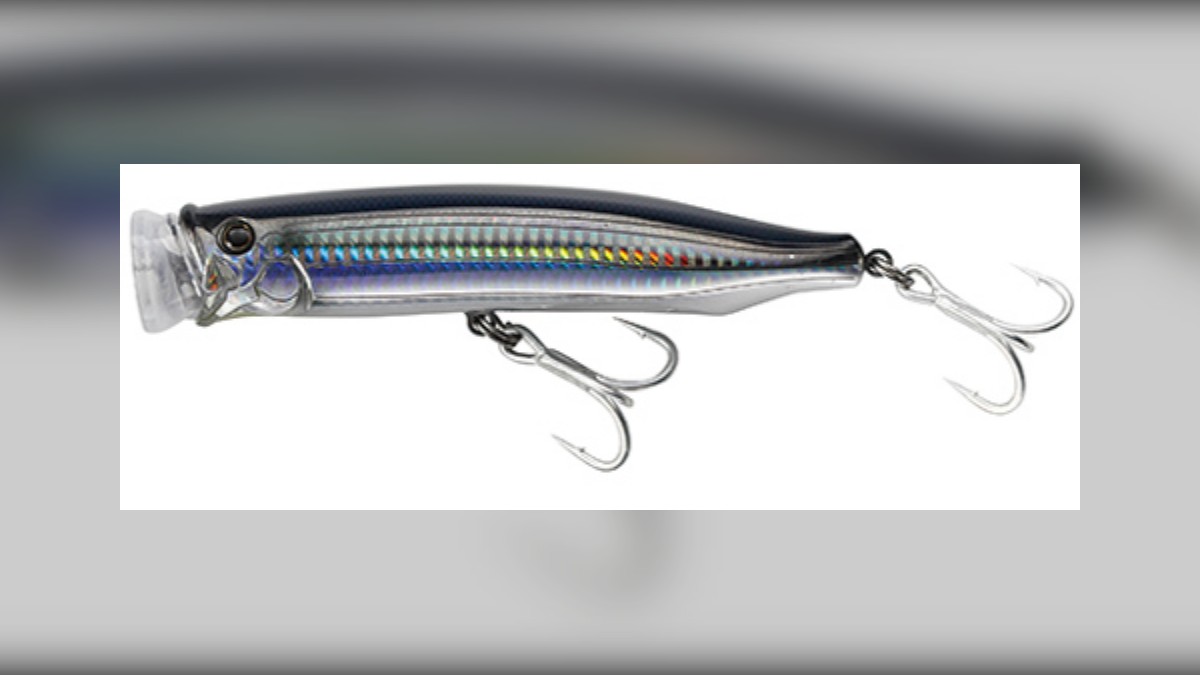
| Popper | Sound and bubbles on the spot; stop-and-go at a pin-point |
| Diving pencil | Dives just under the surface trailing bubbles; works on rough days too |
My view: pencil to search widely, popper to stop and tease at a spot. With those two, you can handle most topwater situations. (See also the Tackle House Feed Popper.)
| Item | Guide |
|---|---|
| Rod | 9’6″-10′ seabass or shore jigging rod that casts up to about 40 g |
| Reel | 4000-5000 size, high gear |
| PE | 1.2-2 |
| Leader | Fluorocarbon or nylon, 25-40 lb |
A pelagic’s first run after it hits on top is very strong. Check your drag before you start. (See how to set your drag.)
Fourteen colours covering the saltwater standards – chartreuse, sardine and mullet patterns. I choose chartreuse for dawn and stained water, and natural sardine colours for clear water in daylight. Fish see a surface lure from below, so a colour with a clearly defined belly is also worth considering.
On days with tiny bait or a rough surface, do not insist on topwater – search deeper with jigs and sinking pencils. Surface lures are the most fun when they work, but they choose their conditions. Accepting that is the key to enjoying topwater.
Once you have seen a pelagic explode on the surface, you will never stop chasing it. Put one in the box this autumn and enjoy some topwater.