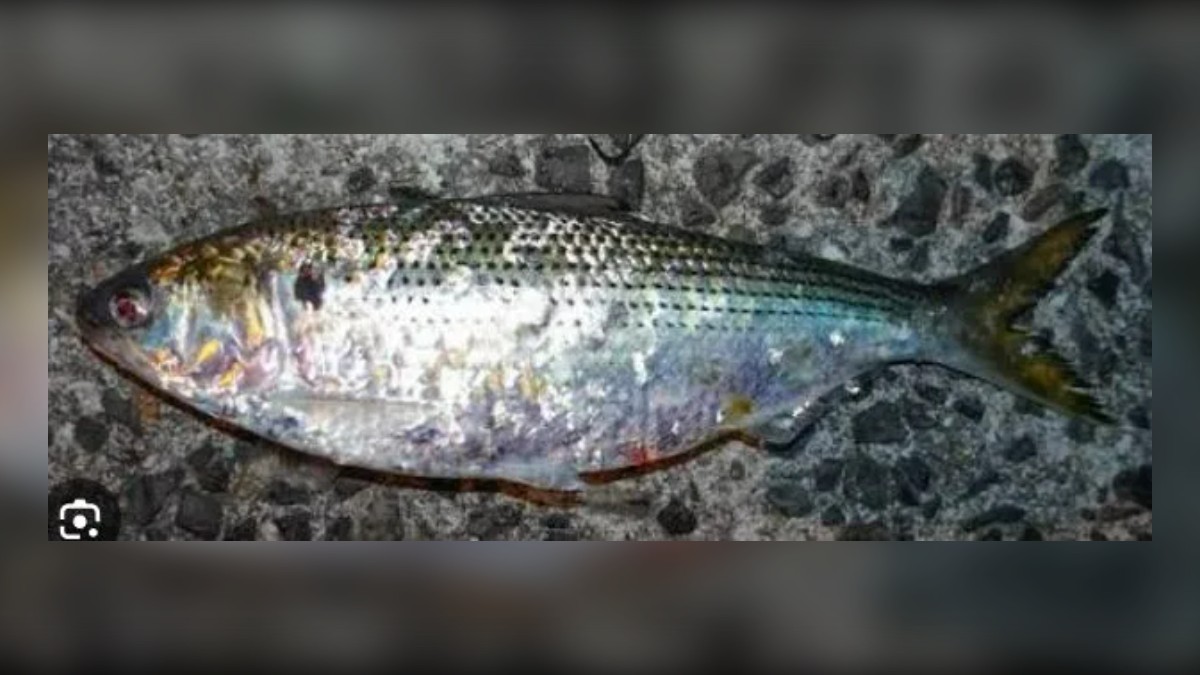
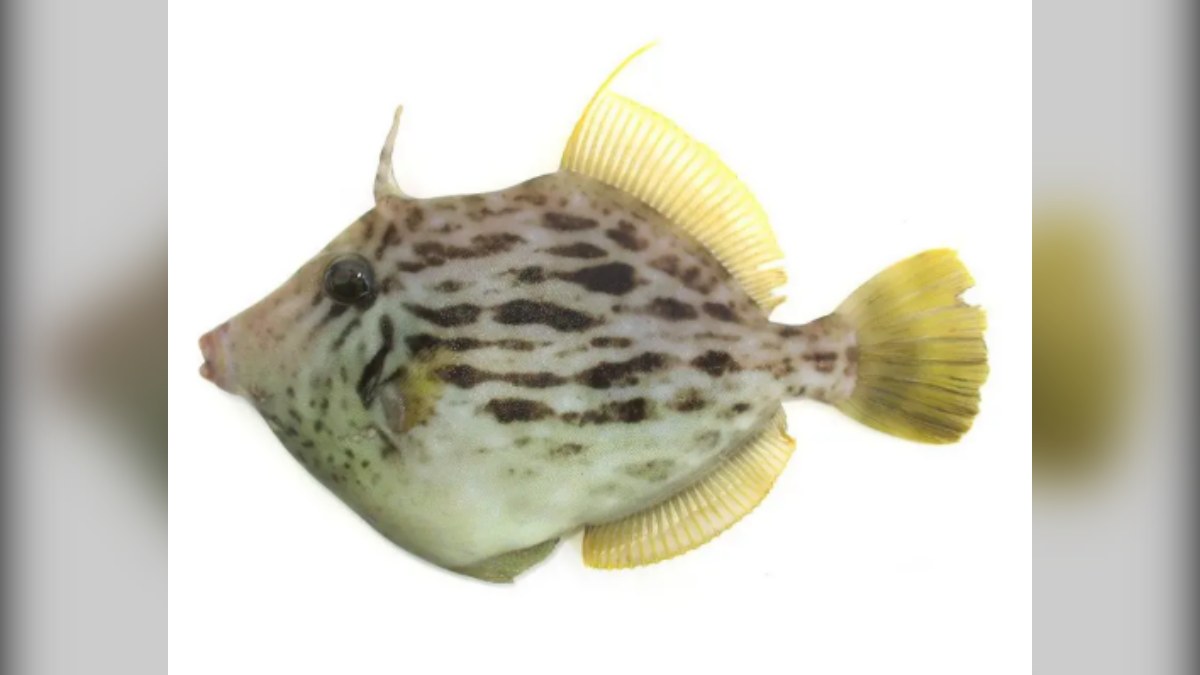
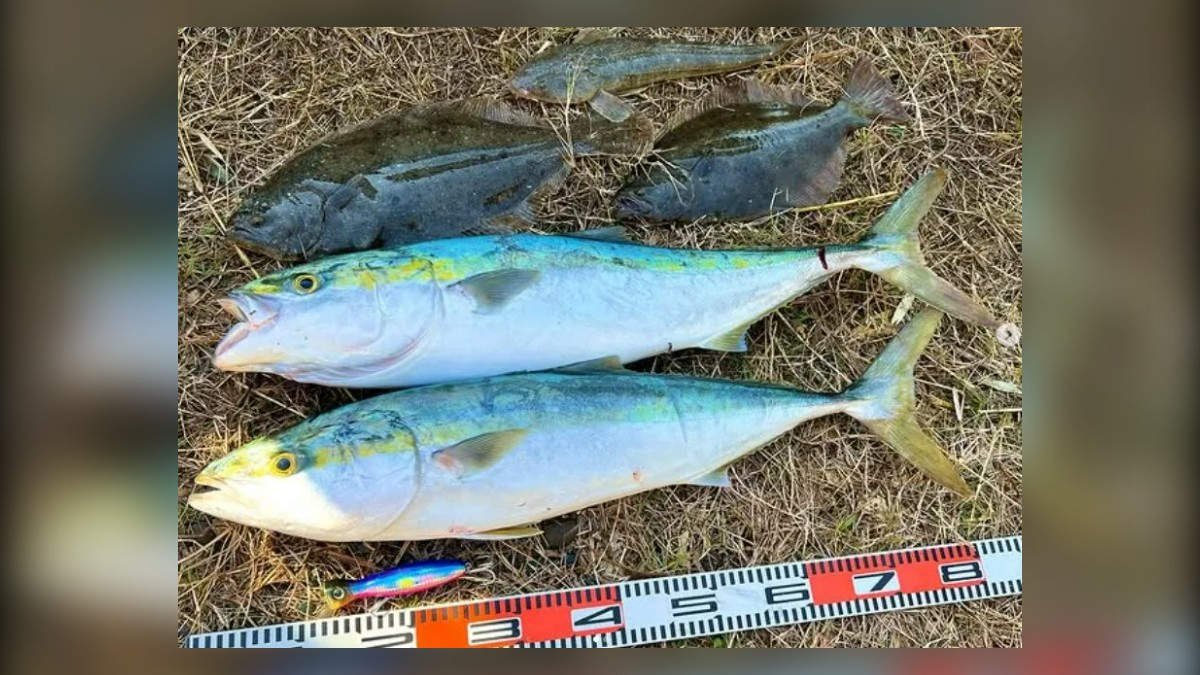
Enshu-nada Surf Fishing in November: Big Yellowtail, Ribbonfish and Flounder
minagiman
Minagiman's Fishing Adventures in Japan
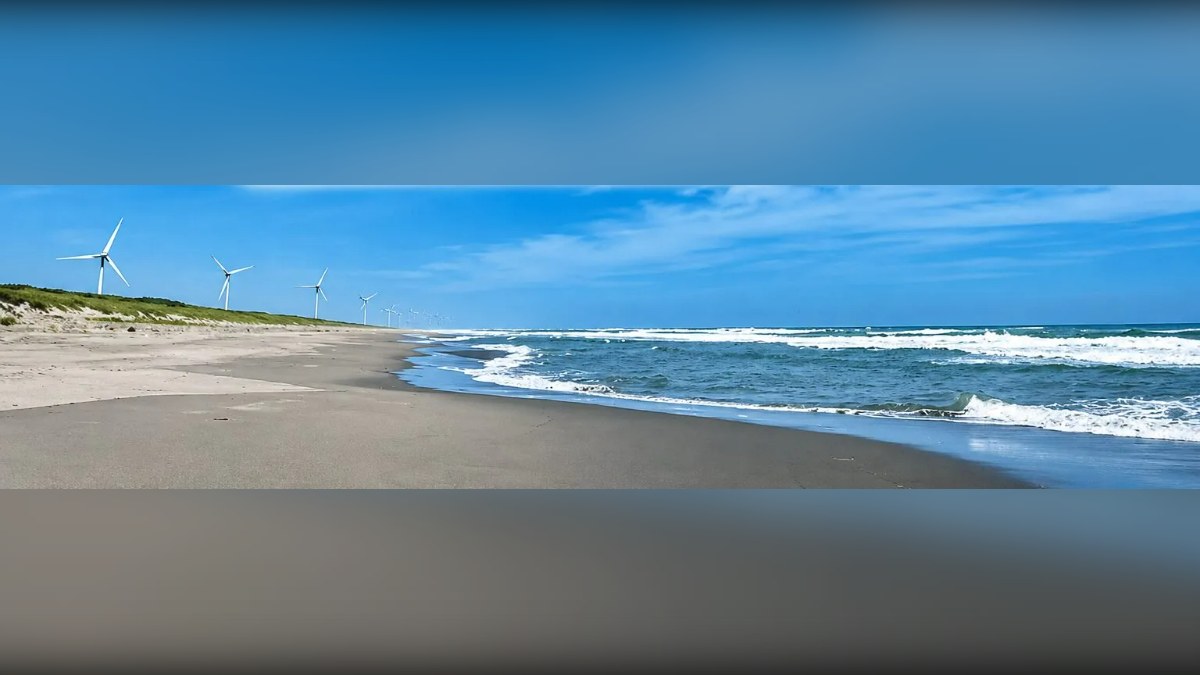
This guide covers the surf in Kakegawa, Shizuoka, on the eastern Enshu-nada just before Omaezaki. The Kikugawa River mouth gives this stretch a big feature, and it has a strong record for flathead and flounder.
Kakegawa is usually thought of as an inland city, but its southern Osuka and Daito districts face the Enshu-nada. The border with Fukuroi in the west is the Benzaiten River; in the east, Chihama beach continues into the Hamaoka sand dunes in Omaezaki.
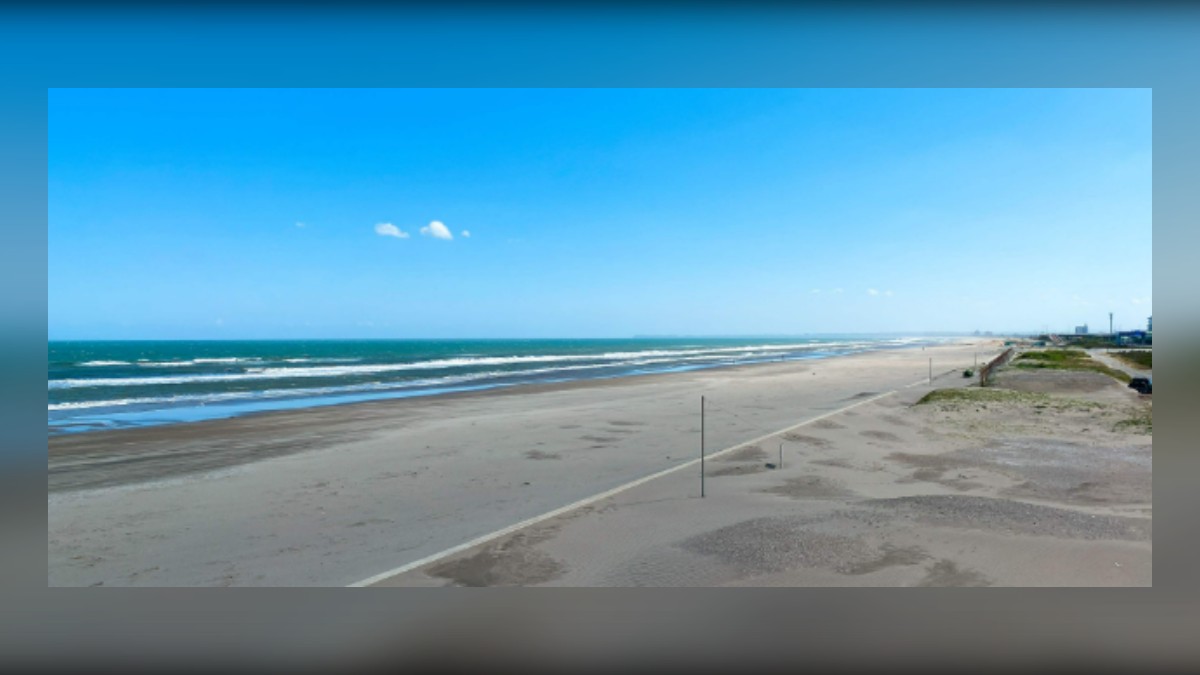
The Enshu-nada surf runs for more than 100 km from Omaezaki to the Atsumi Peninsula in Aichi, facing the open sea and famous for yellowtail and flounder. Kakegawa has the Kikugawa River mouth as a big feature in the middle of a shallow beach. The western side (Osuka) continues the shallow beach from Fukuroi, and the further east you go, the closer it gets to the slightly steeper beaches of the Omaezaki area.
| Item | Kakegawa surf |
|---|---|
| Range | Benzaiten River mouth to Chihama beach (continuing to the Hamaoka dunes) |
| Terrain | Shallow in the west; the Kikugawa mouth is the main feature; deeper towards the east |
| Main targets | Bartail flathead, olive flounder, seabass, Japanese whiting, black and yellowfin bream (river mouth), yellowtail |
| Access | Along Route 150; south from the Kakegawa or Kikugawa interchanges on the Tomei Expressway |
| Cautions | Loggerhead turtle nesting beach; part of a prefectural natural park; check parking at each spot |
Kakegawa City notes that the Enshu-nada coast is a loggerhead turtle nesting beach, and that erosion and vehicles on the sand are damaging the environment. Part of the coast is in the Omaezaki-Enshunada Prefectural Natural Park. Here are the spots from west to east.
The western entrance to the Kakegawa surf. The small Benzaiten River has a training wall at its mouth and tidal flats at low tide. On a long shallow beach, the outflow is one of the few clear features. At dawn, work both sides of the outflow, then walk east to Osuka beach if nothing bites. Benzaiten Seaside Park is on the east side. Fish from the sand and stay off the training wall.
West Kakegawa’s main beach, reached from the Obuchi junction on Route 150. Locals sometimes call it after the nearby “Sun Sun Farm” produce market. A shallow beach with no big obstacles and few snags, ideal for covering water with lures. Fishing websites report flounder of 50–70 cm from November to January, with sardine, Japanese whiting and ponyfish as bait.
In winter flounder season, strong westerly crosswinds are common here. Bring heavier metal jigs or heavy sinking pencils that the wind does not push around as much. Surfers use this beach too, so check around you before casting.
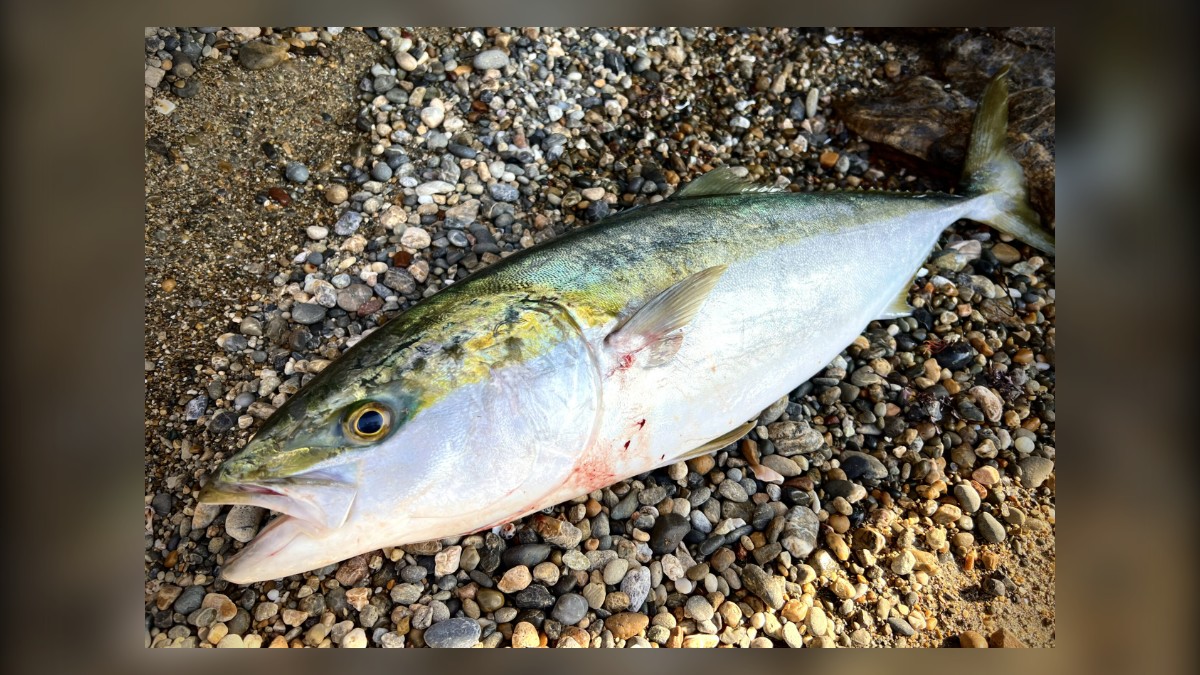
Between Osuka and the Kikugawa mouth. The Daito Onsen Seatopia hot spring near the beach is an easy landmark. About 1,160 catches are logged for Kuniyasu beach on ANGLERS. Summer–autumn 2026 records include flathead, small flounder, Japanese whiting and nibe croaker, plus small yellowtail (wakashi) and even skipjack, so yellowtail runs are possible depending on bait.
It is mainly shallow sand. Look for rips, lanes where waves do not break and water flows back out, and work the seams beside them. Wading into a rip is dangerous, so keep to knee depth. The Seatopia car park is for facility users; do not use it for fishing without checking the rules.
The top spot on the Kakegawa surf. A large river mouth brings current, stained water and bait together, creating a clear feature. About 1,270 catches are logged for the Kikugawa mouth on ANGLERS. Of the roughly 50 most recent (July–October 2026), flathead was the most common, followed by black sea bream and flounder, plus seabass, yellowfin bream, trevally, barracuda and even greater amberjack.
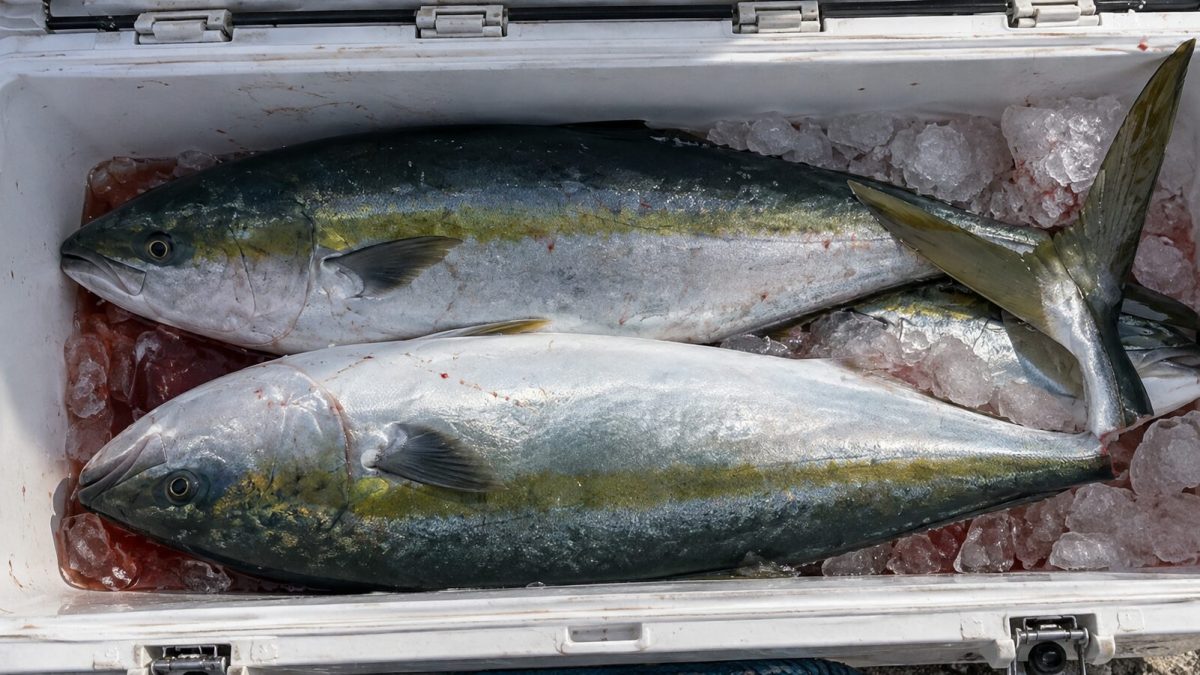
I fished off the Kikugawa mouth from a SUP on 22 May 2024 and caught a flathead of about 50 cm, with hits from flounder and barracuda too; my friend hooked young amberjack and yellowtail (both lost). In early summer, the Kikugawa mouth is full of fish.
The best chance is when the falling tide pushes river water out. Rather than the middle of the outflow, fish the weaker edges and the line between stained and clean water. For flathead, keep a soft plastic on a jig head on the bottom. Beware of floods after heavy rain and sudden drop-offs near the mouth. Never wade into the river mouth.
East of the Kikugawa mouth, Chihama runs straight into the Hamaoka dunes in Omaezaki, and they are often treated as one area. It is a little steeper than the western Enshu-nada, so even short casts reach depth. Summer–autumn 2026 records for Chihama (about 1,100 catches on ANGLERS) were led by Japanese whiting, followed by small and adult flounder, young amberjack, black sea bream and seabass. Think whiting in summer, flounder in autumn and winter. Hamaoka has a free municipal car park, so you can move there if Chihama is quiet.
| Spot | Features | Best for |
|---|---|---|
| East of the Benzaiten mouth | Small outflow; a first stop at dawn | Short sessions at a clear feature |
| Osuka beach | Open shallow beach; winter flounder record | Walking and searching for flounder |
| Daito–Kuniyasu | Fish the rip seams; yellowtail records too | Reading the beach |
| Kikugawa mouth | The biggest feature; most flathead records | Flathead, flounder and bream |
| Chihama beach | Slightly steeper; joins the Hamaoka dunes | Whiting and flounder, or moving on towards Omaezaki |
| Season | Main targets |
|---|---|
| Spring (Apr–Jun) | Flathead, flounder, seabass; young amberjack and yellowtail may arrive in early summer |
| Summer (Jul–Aug) | Flathead (peak), Japanese whiting, black and yellowfin bream (river mouth), small yellowtail |
| Autumn (Sep–Nov) | Flounder, flathead, seabass, yellowtail, barracuda |
| Winter (Dec–Feb) | Flounder (chance of big fish); yellowtail depending on runs |
Kakegawa’s two pillars are summer flathead and autumn–winter flounder. Autumn yellowtail usually start in the west around Tahara and Irago, so check Aichi, Hamamatsu and Iwata reports to time your trip.
Kakegawa is the hinge between the shallow western Enshu-nada and the slightly steeper Omaezaki beaches, with the Kikugawa mouth right in the middle. I think that terrain explains the numbers of flathead and flounder. My suggested route: start at the Kikugawa mouth at dawn, and if it is quiet, move west (Kuniyasu, Osuka) or east (Chihama, Hamaoka). Choosing by wind direction also helps: on strong westerly days, pick a spot where it is not a crosswind.