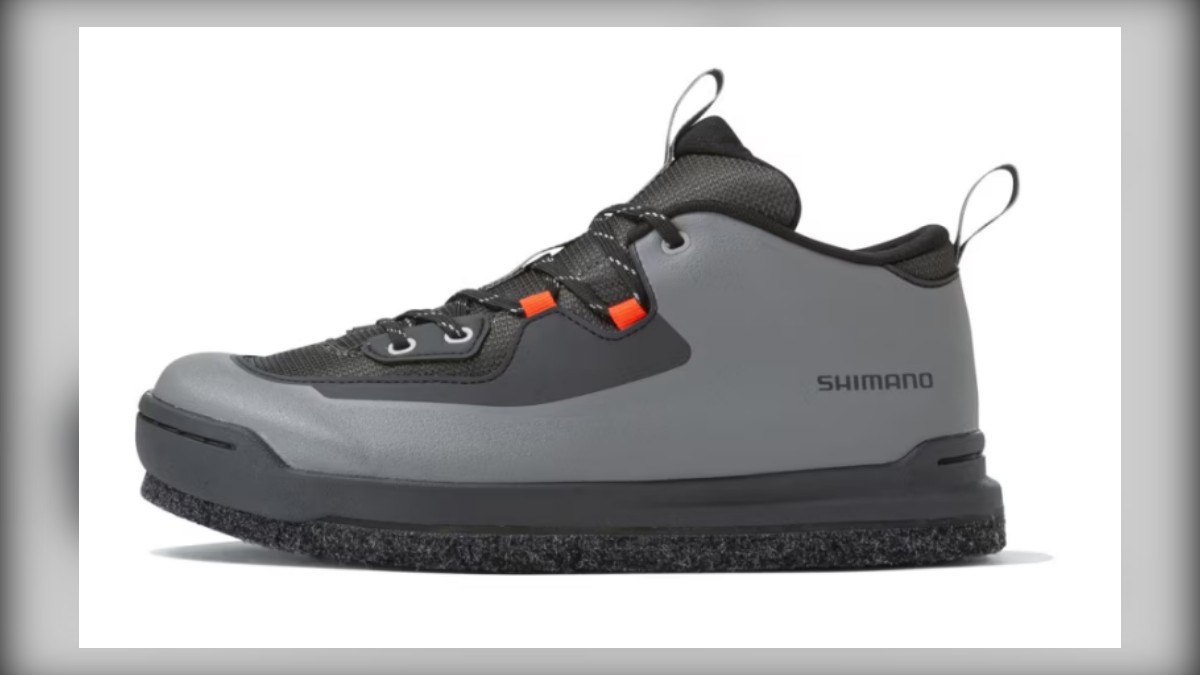
Shimano Game Shoes FS-092Z: Light Cut Rubber Pin Felt Shoes for Piers and Rocks
minagiman
Minagiman's Fishing Adventures in Japan
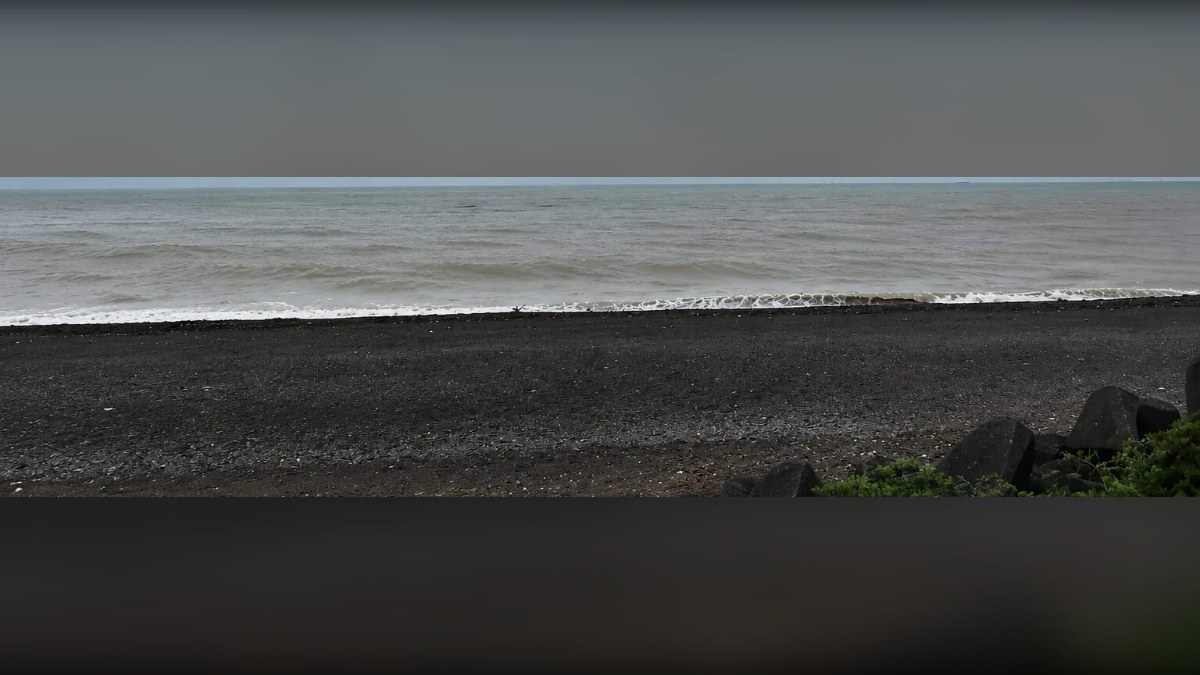
The first thing to check when you arrive at a surf beach is the colour of the water. Whether it is clear or stained changes your whole plan for the day. People often say “fish bite when the water colours up”, but not every kind of dirty water is good. Here is how to tell productive water from tough water, using Japan’s Enshu-nada surf as an example.
| Water | Looks like | Fishing |
|---|---|---|
| Clear | See-through, bottom visible | Fair. Fish are wary, so go natural and careful |
| Lightly stained (“sasa-nigori”) | A faint green tint, slightly hard to see into | Excellent. The best condition |
| Medium stained | Brownish; you cannot see the bottom at your feet | Good. Focus on high-visibility lures |
| Muddy | Brown like milky coffee, with debris | Poor. Look for cleaner water |
The easiest water to catch fish in is lightly stained, which Japanese anglers call sasa-nigori (“bamboo-leaf stain”). And on any day, the line between clear and dirty water is a spot you should never ignore.
After several calm days, the water turns crystal clear. It looks great, but fish can see you and your lure clearly too, so they are wary and more likely to refuse lures.
A slight green tint, like a bamboo leaf. Fish are less wary but can still find your lure: ideal surf conditions. You often see it when some swell is still running, or after light rain.
Brownish water where you cannot see the bottom at your feet. Fish may be active, but lures are harder to find, so use loud colours and strong actions.
Strong, milky-coffee-coloured water after heavy rain or big storms, often with rubbish and driftwood. Fish may move offshore or struggle to find food, so it is usually tough.
| Cause | Type of stain |
|---|---|
| Rain and rising rivers | Brown water pouring out of rivers, spreading from river mouths |
| Waves and swell | Sand stirred up by waves, common after storms |
| Plankton | Greenish stain, seen in warmer months |
| Typhoons | Rain and waves together, heavy stain over wide areas |
On the Enshu-nada surf, stain often spreads from the Tenryu River, the Imagiri outlet of Lake Hamana, and smaller inflows. After rain, it starts around river mouths; after big waves, the whole beach colours up as sand is stirred.
In clear water fish see through lures; in muddy water they cannot find them. Lightly stained water is the sweet spot for both fish and anglers.
Look out to sea and you will often see the water colour change along a line. That line is where bait gathers, and flounder and yellowtail follow. Picture predators hiding in the dirty side and ambushing bait on the clear side.
| Water | Colours | Lures |
|---|---|---|
| Clear | Silver, sardine, clear and other natural colours | Smaller profiles and subtler actions |
| Lightly stained | Pink, gold, pearl | Standard minnows, sinking pencils and jigs to cover water |
| Medium stained | Chartreuse, gold, matte pink | Minnows with strong vibration, bladed lures |
| Muddy | Chartreuse, glow, black (for silhouette) | Strong vibration and sound |
The basic rule: natural in clear water, loud in dirty water. In heavy stain, a clear silhouette and strong vibration matter more than the exact colour. For surf flounder and flathead, loud colours such as pink, orange and chartreuse have a strong track record. Carry one natural and one loud colour and let the fish decide.
| Fish | With stain | How to fish |
|---|---|---|
| Olive flounder | Good in light to medium stain | Work carefully near the bottom along colour lines and inflows |
| Bartail flathead | Light stain is ideal | Drag along the bottom or lift and fall |
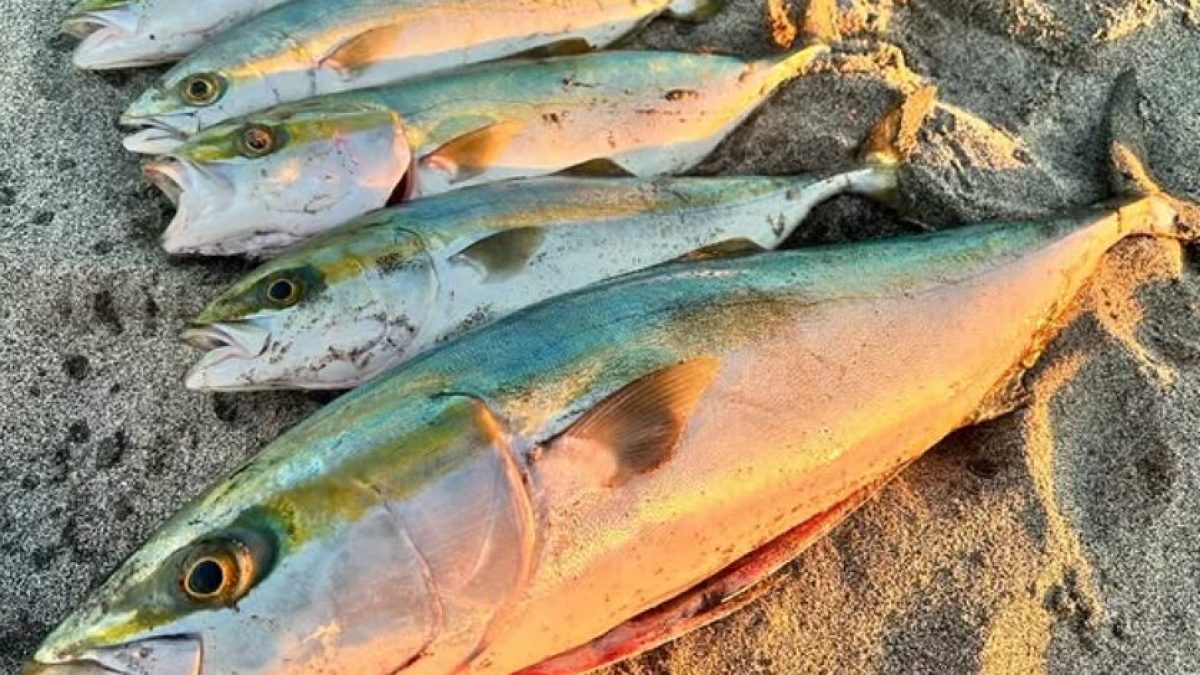
| Yellowtail | Roam more in clear to lightly stained water | Find bait and birds, and cover water with jigs |
| Japanese seabass | Handles stain well; river mouths after rain are good | Target stain plumes and lines off river mouths |
Yellowtail hunt by sight, so they do better in clearer water. Seabass often turn on in muddy river mouths after rain.
The best timing is when rough weather or rain is settling and muddy water is turning lightly stained, often two to three days after a storm.
A lot of surf information is invisible, like wind, swell and tide. Water colour is one of the few things you can see with your own eyes. It also changes day to day, and even hour to hour: muddy in the morning can be lightly stained by midday. Read the colour, find the line, and change your lure colour. That alone will change your surf results.