Pacific Bluefin Tuna Rules for Anglers in Japan (2026): Registration, the 30 kg Limit and What to Do if You Hook One
minagiman
Minagiman's Fishing Adventures in Japan

“When is the best time to go fishing in Japan?” is one of the questions I am asked most by anglers planning a trip. The honest answer is that there is no bad month. Japan stretches from subarctic Hokkaido to subtropical Okinawa, and two big warm and cold currents meet off its coast, so something is always in season somewhere. But what you can catch, and how, changes a lot through the year.
I am Minagiman, a Japanese angler who fished the Enshu-nada surf in Shizuoka for years before moving to Australia. This calendar is written from the point of view of a shore and small-boat angler on the Pacific coast of central Japan (the Tokyo, Shizuoka and Nagoya side). Further north, seasons usually start later and finish earlier; further south they run longer. Treat it as a guide to the pattern, then check local tackle-shop reports for your exact area.
The table shows typical peak periods for popular saltwater targets on the central Pacific coast. Japanese names are given because that is what you will hear in tackle shops and on party boats.
| Fish (Japanese name) | Spring (Mar-May) | Summer (Jun-Aug) | Autumn (Sep-Nov) | Winter (Dec-Feb) |
|---|---|---|---|---|
| Horse mackerel (aji) | Good | Peak | Peak | Good (ajing at night) |
| Chub mackerel (saba) | Fair | Good | Peak | Fair |
| Bigfin reef squid (aori-ika) | Peak (large spawners) | Fair | Peak (young squid) | Low |
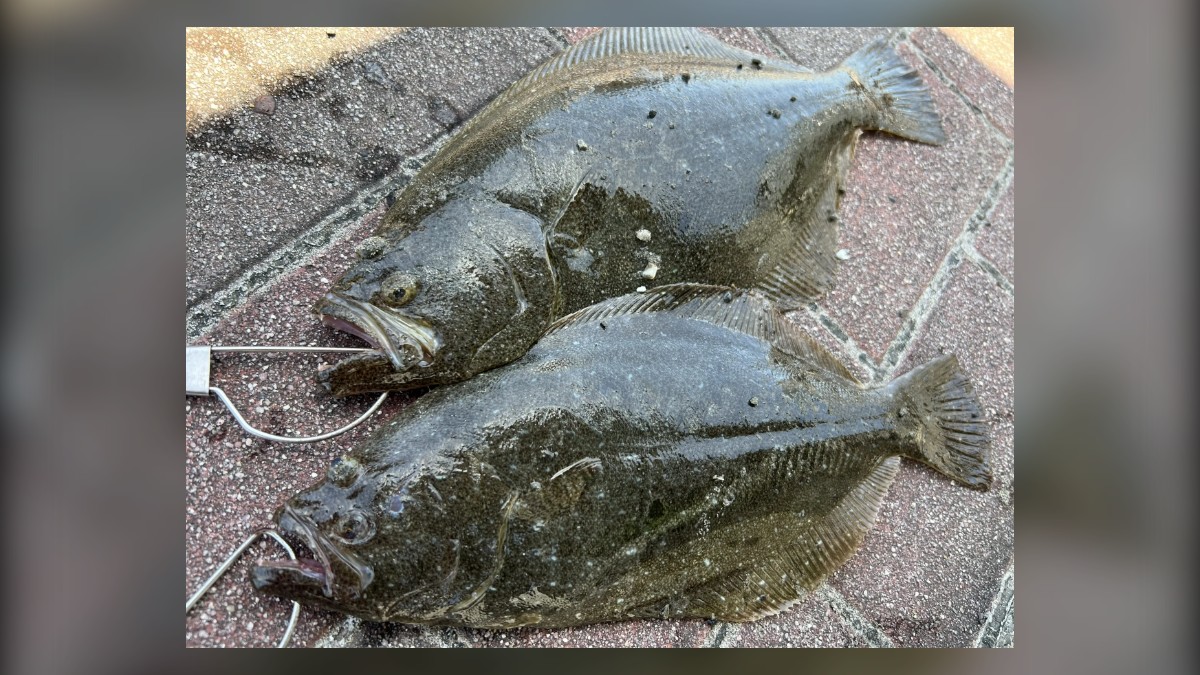
| Japanese flounder (hirame) | Good | Low | Good | Peak (surf) |
| Flathead (magochi) | Good | Peak | Good | Low |
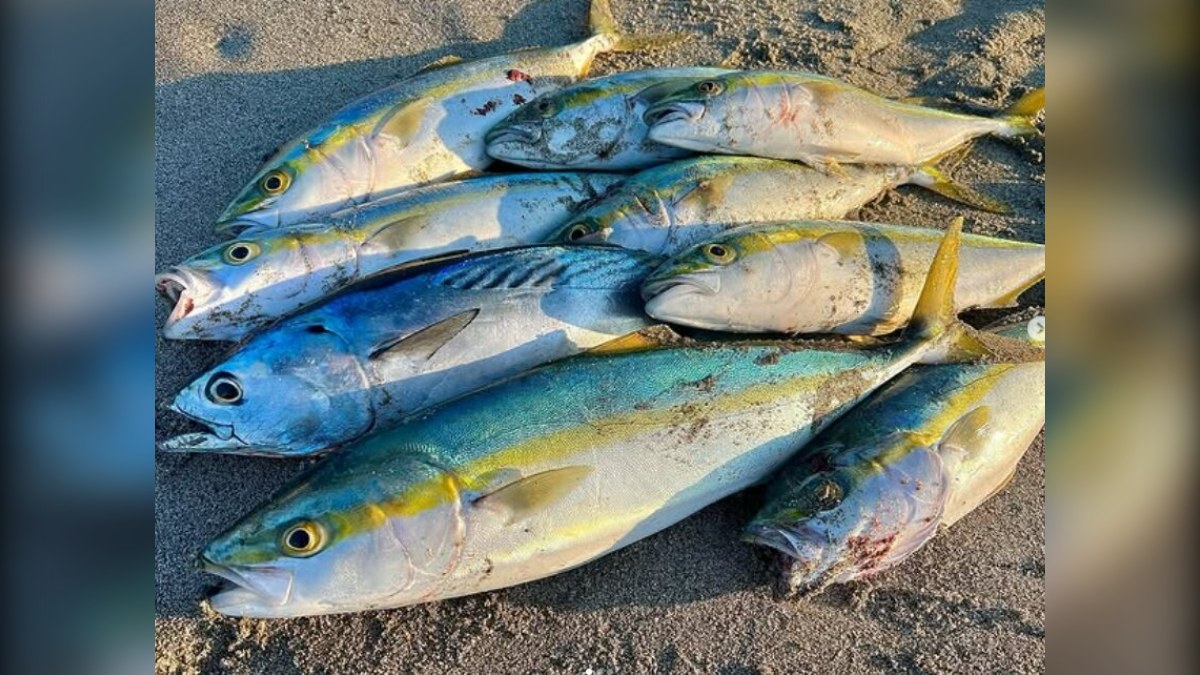
| Yellowtail juveniles (inada, warasa) | Low | Fair | Peak | Fair |
| Spanish mackerel (sagoshi, sawara) | Fair | Fair | Peak | Fair |
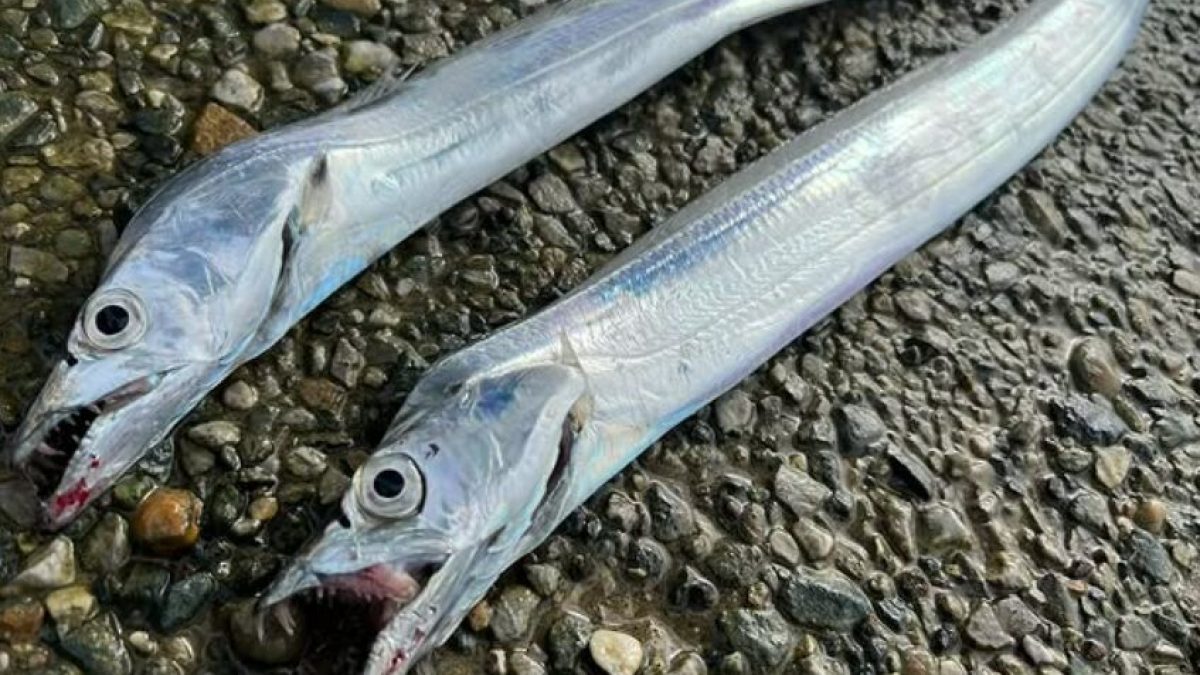
| Ribbonfish (tachiuo) | Low | Fair | Peak | Fair |
| Japanese seabass (suzuki) | Good | Good | Peak | Good |
| Japanese whiting (kisu) | Fair | Peak | Good | Low |
| Filefish (kawahagi) | Low | Good | Peak | Fair |
| Rockfish (mebaru, kasago) | Peak | Fair | Good | Peak |
| Red sea bream (madai) | Peak (spawning) | Good | Good | Fair |
“Peak” means the easiest time to target that fish from shore or on a party boat, not the only time it can be caught. If the Japanese names are new to you, my Japanese fish names glossary explains them, including why one yellowtail can have three or four names as it grows.
Spring is a season of big individual fish. Water temperatures climb from their winter low, and many species move inshore to spawn.
Spring is the season for the largest aori-ika (bigfin reef squid) of the year. Mature squid come into shallow rocky areas and weed beds to spawn, and Japanese eging anglers chase fish of well over a kilogram. Catches are fewer than in autumn, but the size makes up for it. Larger egi (squid jigs) in the 3.5 to 4.0 sizes are standard. My aori-ika guide explains the seasons and tactics in more detail.
Spawning madai (red sea bream) move shallower and become very active, which makes spring a favourite season for boat anglers using tai rubber. On sandy beaches, flounder fishing can be good in spring as baitfish return close to shore.
Mebaru (Japanese rockfish) are a classic spring target in harbours and rocky shores at night, with light lures or floats. Small-lure “light game” fishing is popular from late winter through spring.
Summer brings the widest variety of fish and the easiest fishing for beginners and families, but also heat, rain and typhoons.
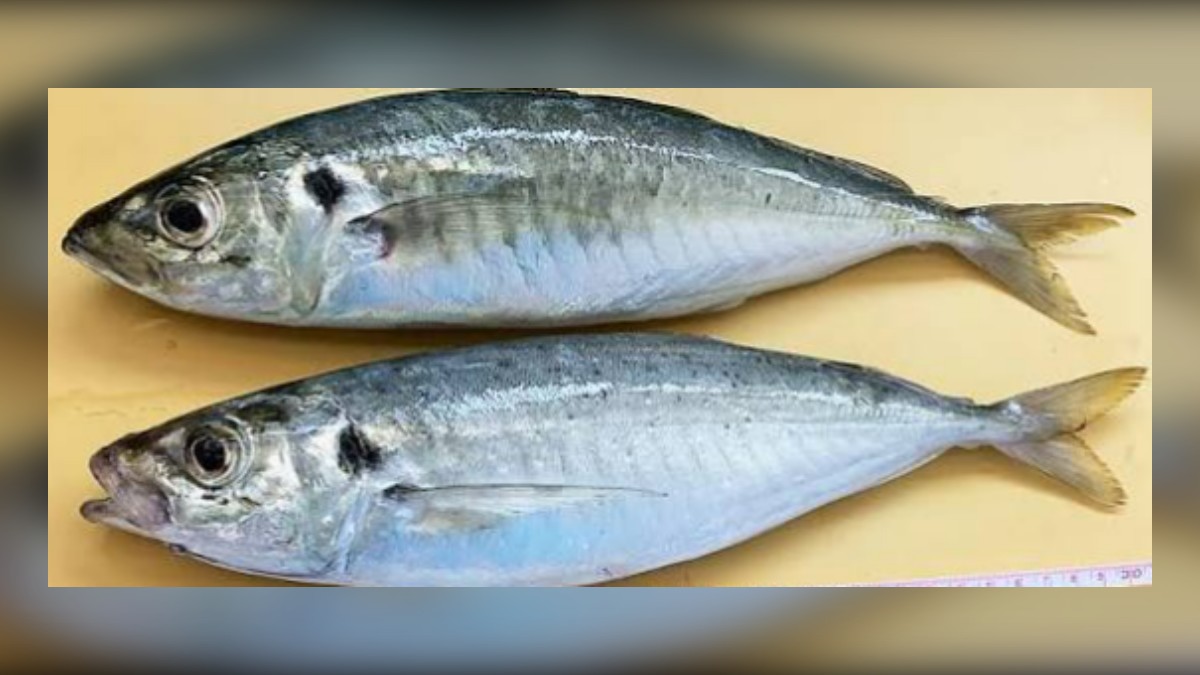
Aji (horse mackerel), saba (chub mackerel) and small iwashi (sardines) fill harbours in summer. Sabiki fishing (a string of small flies with a feeder basket) from a pier is the classic way to catch a bucket of fish. Japanese whiting (kisu) are at their best on sandy beaches, caught by casting a light sinker and bait. Flathead (magochi) are a strong summer target for surf lure anglers.
On hot days, early morning and night fishing are far more comfortable, and lit harbours can be very productive for aji and squid.
If you can choose only one season to fish Japan, choose autumn. Water is still warm, baitfish are everywhere, and almost every popular species is feeding hard at the same time.
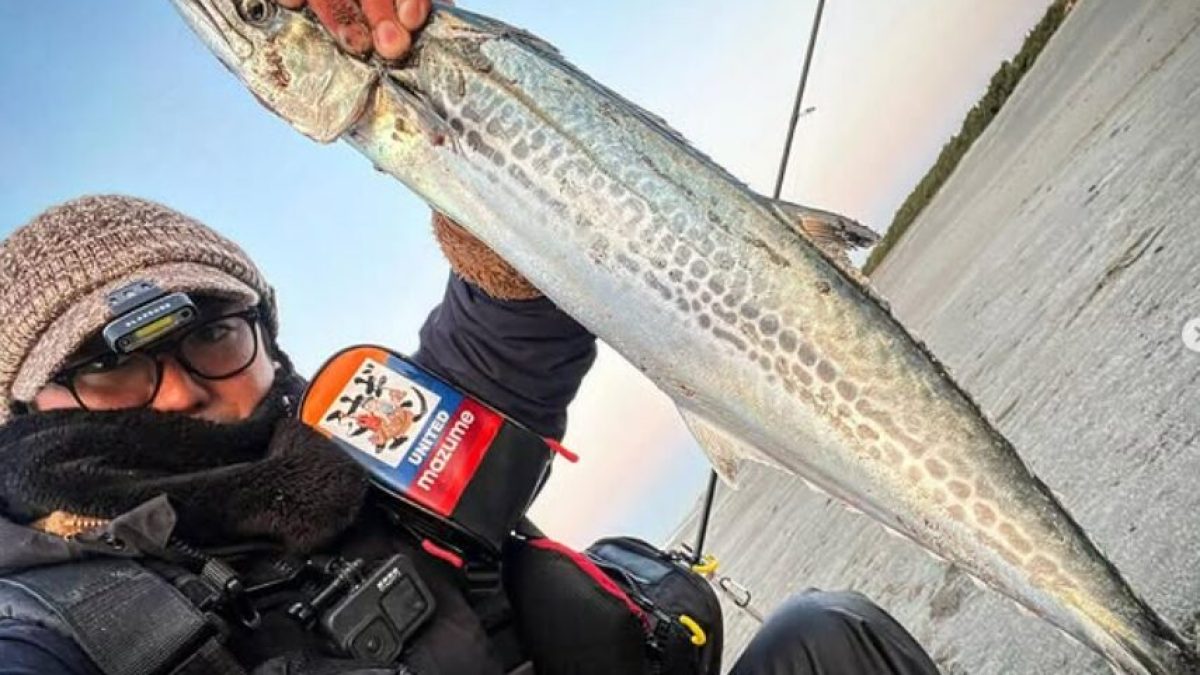
Autumn is the season for shore jigging. Juvenile yellowtail (inada and warasa), Spanish mackerel (sagoshi and sawara) and bonito chase baitfish within casting range of beaches, breakwaters and river mouths. On my home Enshu-nada beaches, autumn mornings are when you see lines of anglers casting metal jigs into the surf. My guides to yellowtail from the surf and Spanish mackerel cover the methods.
The spring-spawned aori-ika have grown big enough to catch by September, and autumn is the busiest eging season of the year. The squid are smaller than in spring, but far more numerous and aggressive, which makes autumn the best time for beginners to try eging with 2.5 to 3.0 size egi.
Ribbonfish (tachiuo) gather in harbours and bays at dusk and after dark. Seabass (suzuki) feed heavily before winter, especially around river mouths. Flounder fishing on sandy beaches improves as the water cools. Filefish (kawahagi) are another popular autumn target from piers and boats.
Many visitors assume winter is the off-season. It is quieter, but some of the best fish of the year are caught in the cold months.
On the surf, winter is the season for large flounder (hirame) in many areas. The Japanese even have a word, “kan-birame” (winter flounder), for flounder caught in the cold season, which are prized for their quality.
Light-lure fishing for aji (ajing) at night is a classic winter pastime in harbours, and rockfish such as mebaru and kasago are reliable in cold water.
For a longer list, see my guide to fish you can catch in winter in Japan.
Freshwater fishing in Japan works differently from saltwater. Rivers and lakes are usually managed by local fishery cooperatives, which set open seasons and sell day tickets. Mountain stream fishing for trout and char typically opens in early spring and closes in early autumn, and ayu (sweetfish) seasons usually open in early summer, but exact dates vary from river to river and prefecture to prefecture. Always check the local cooperative’s rules and buy a ticket before you fish. My Japan fishing licence guide explains how this works.
For shore fishing on the central Pacific coast, October is hard to beat: pelagics, squid, seabass and flounder are all feeding. September and November are also excellent.
Yes. Flounder, rockfish and ajing are all good winter targets, and some fish are at their best in the cold months.
For aori-ika, spring (big spawning squid) and autumn (numerous young squid) are the two main seasons.
No, but heavy rain brings dirty water near river mouths. Many fish still bite; focus on cleaner water away from run-off.
Japan has fishing in every season. Spring is for big squid, madai and rockfish; summer is for easy pier fishing and kisu; autumn is the peak season for almost everything, especially shore pelagics and squid; and winter rewards anglers with flounder, rockfish and ajing. Use this calendar to choose your season, then let a local tackle shop tell you what is biting the week you arrive.