Daiwa 24 Certate Review: Full Specs, Weight, Drag and Price for Every Model
minagiman
Minagiman's Fishing Adventures in Japan
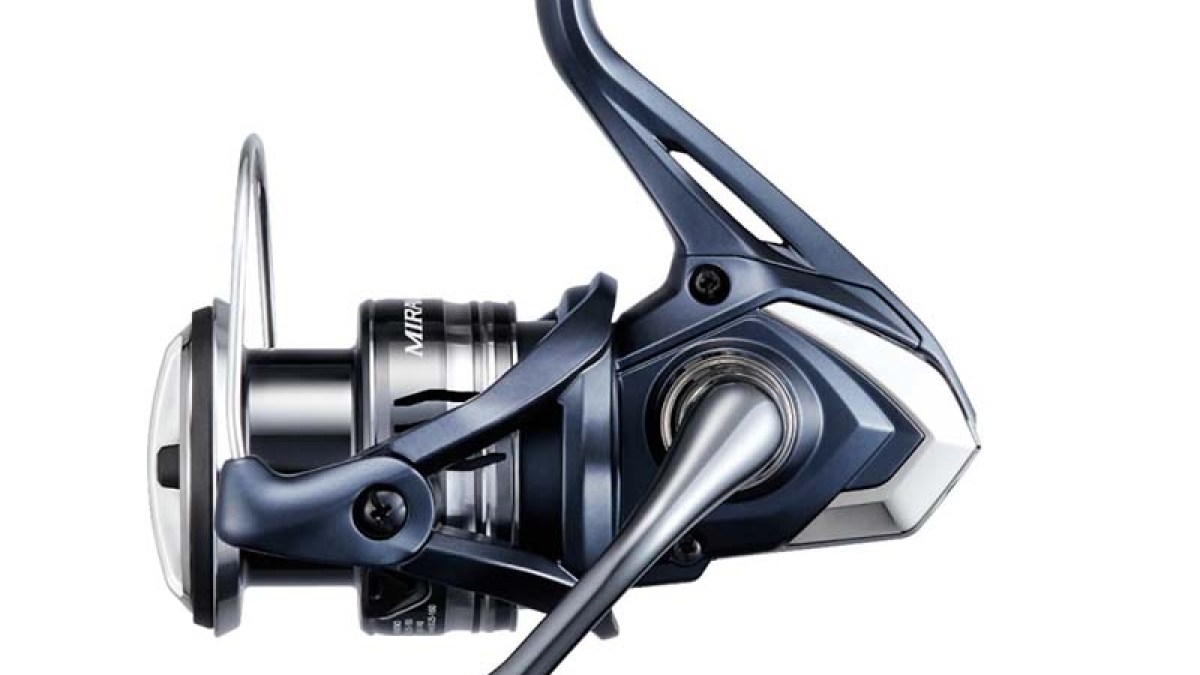
The Miravel is the reel I recommend to people who tell me they are not sure fishing will stick. It is cheap by Shimano standards, it is light, and it borrows a surprising amount from reels three times the price. I have used mine across light game and general saltwater work, and with the 26 model now arriving there is a good reason to look at both together.
Shimano splits its spinning reels into two families. Core Solid reels chase rigidity and a solid, substantial feel under load. Quick Response reels chase lightness and an effortless start to the retrieve. The Miravel is Quick Response, and everything about how it feels follows from that.
It uses Ci4+ – a carbon-reinforced resin – for both the body and the rotor, rather than the high-strength plastic normally used at this price. That matters less as a durability claim and more as a weight and inertia claim.
This is the part overseas buyers rarely see: where the Miravel actually falls in Shimano’s domestic lineup. Weights and prices are for the 2500S size, as Japanese list prices excluding tax at the time these models launched.
| Model | Weight (2500S) | JP list price (yen, excl. tax) |
|---|---|---|
| 17 Sedna | 245 g | Value price |
| 21 Nexave | 265 g | Value price |
| 22 Sahara | 240 g | 9,300 |
| 21 Nasci | 240 g | 12,900 |
| 22 Miravel | 205 g | 15,700 |
| 21 Ultegra | 220 g | 17,800 |
| 19 Stradic | 220 g | 27,100 |
| 20 Vanford | 175 g | 32,400 |
| 20 Twin Power | 210 g | 47,100 |
| 21 Twin Power XD | 200 g | 50,300 |
| 19 Vanquish | 165 g | 62,100 |
| 22 Stella | 205 g | 87,600 |
Look at the weight column. The Miravel is lighter than reels costing more than it, and matches the 22 Stella. That single line explains why it sold.
At 205 g in the 2500 size it is competitive with anything around it – Shimano 21 Ultegra 2500 is 225 g, Daiwa Freams LT2500 is 200 g, Daiwa Regalis LT2500D is 210 g. Daiwa used to own the “lighter for the money” argument at this level; the Miravel closed that gap. The Ci4+ rotor has very low inertia, and the MGL (Magnumlite) rotor design means the reel starts turning with almost no effort.
Quick Response reels feel dry and light rather than dense. If you have used a Vanquish or a Vanford, the Miravel feels like a cheaper relative of those, not like an entry reel. There is none of the slightly sticky, damped feel that Daiwa’s Magseal reels have. With low-resistance lures – small minnows, light jigheads – that lightness is genuinely pleasant rather than just a spec.
A felt washer drag with a damp, sticky character. It suits trout and light game. Compared with the High Response drag in Shimano’s Soare series, which is drier and more immediate, the Miravel drag has more grip to it. Neither is better – but if you want one reel for several styles, the Miravel’s drag is the more forgiving choice. Against a flagship it is slightly less smooth and less consistent, but not in a way that has cost me a fish.
This is the real weakness. The Miravel uses the bail and line roller design from the grade below, not the stepless design you get from the Ultegra upwards. That raises the risk of line catching. I have had an early-production unit where line snagged on the roller and broke off. For the money the Miravel asks, this is the one component I wish Shimano had taken from further up the range – especially because the reel is otherwise well suited to light game, where a broken leader at the wrong moment costs you the session.
Fine for light fishing. Push it – a decent pelagic, or grinding a flatfish back through surf – and you can feel that there is not much in reserve. The Ultegra, being a Core Solid reel, is clearly better here. That is the trade you are making for the light retrieve.
Distance is average for a Shimano spinning reel. There is slightly more resistance on the release than a Stella-class reel with slow oscillation, but nothing that stalls a light lure. The Miravel uses a cam oscillation rather than the worm-shaft system on the higher grades; in theory worm shaft lays line more evenly, in practice the difference on recent reels is small and the Miravel’s line lay is clean.
| Reel | Verdict |
|---|---|
| 22 Soare BB | Slightly more expensive, but micro-module gears and a one-piece bail. Heavier retrieve feel. For pure light game I would take the Soare BB over the Miravel, and the price gap is small. |
| 21 Nasci | A grade below. Similar smoothness, but noticeably heavier retrieve in the high-gear models, and it loads up as soon as there is resistance. Spend the extra on the Miravel if you can. |
| 21 Ultegra | A grade above. Smoother, more rigid, better line roller. The Miravel wins on retrieve lightness only. If you are a beginner heading for pelagics or surf flatfish, buy the Ultegra. |
| Daiwa 21 Freams | Direct rival, slightly more expensive, competes more with the Ultegra. Miravel starts lighter; the Freams has the better line roller. Similar weights. Choose Miravel if you dislike Magseal. |
The 26 model arrives in September 2026, with the 1000, C2000S and C2000SHG following in October. Eleven sizes, 16,000 to 19,800 yen excluding tax, five ball bearings plus one roller across the whole range.
| Size | Weight |
|---|---|
| 1000 | 170 g |
| C2000 series | 175 g |
| 2500 series | 200 g |
| C3000 series | 200 g |
| 4000 series | 245 g |
| C5000XG | 270 g |
The headline changes are X Protect in place of Core Protect, plus Infinity Drive, a one-piece bail and an Anti Twist Fin.
For anyone fishing salt, the water protection upgrade is the one that matters. Core Protect is a labyrinth-and-repellent approach; X Protect is the system Shimano uses on reels much further up the range. If your Miravel lives in surf spray, that is a real change rather than a marketing line. The one-piece bail also addresses my main complaint about the 22 – the bail and roller junction is exactly where line used to catch.
Two honest notes. The C3000 went from 205 g to 200 g, so Shimano added mechanism and still took weight out, which is impressive. But the 2500S went from 15,700 to 17,300 yen excluding tax – a 1,600 yen increase. The 26 is a better reel; it is not the same bargain the 22 was.