Oonibe (Japanese Meagre) on the Enshu-nada Surf: How to Target Metre-Class Fish in Winter
minagiman
Minagiman's Fishing Adventures in Japan
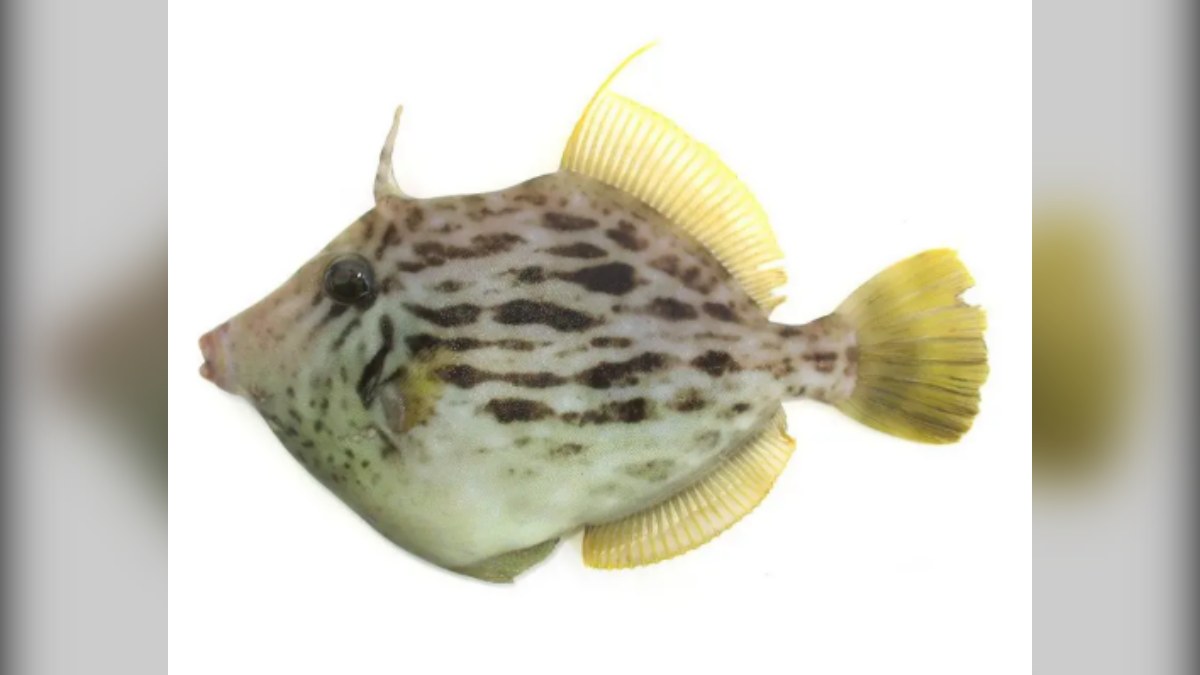
From November, a fish worth targeting from piers in Japan is the kawahagi (thread-sail filefish). Autumn into winter is the “kimo-pan” season, when its liver swells and becomes rich. Kawahagi are famous bait thieves, and often you end up with an empty hook and no fish. But once you understand the rig and how to read the bites, you can catch them from piers.
Kawahagi have a tiny mouth and nibble at bait little by little, so bites are very small. That cat-and-mouse game is what makes it fun, and the liver is a delicacy only anglers get to enjoy fresh.
| Item | Details |
|---|---|
| Family | Monacanthidae (filefish), order Tetraodontiformes |
| Other names | Hage, maruhage, hagi |
| Habitat | Relatively shallow mixed rock and sand |
| Activity | Active by day, rests at night |
| Feeding | Nibbles bait with a small mouth (a skilled bait thief) |
| Size from piers | About 15 cm on average, over 20 cm in some places |
The key point: kawahagi are daytime fish. While winter ajing and mebaru fishing are best at night, you target kawahagi in daylight, which is good news if night fishing in the cold is not for you.
| Season | Situation |
|---|---|
| Spring–summer | Catchable, but livers are still small |
| September–October | Good numbers from piers; autumn is the best season |
| November–December | “Kimo-pan” season with big livers, and bigger fish |
| January onwards | In many areas they move deeper and get hard to catch from piers |
November gives you numbers, size and flavour all at once.
If you cannot see the bottom, drag your sinker a little and look for places where it feels rough and rocky.
For fishing close in (“saguri-zuri”), a rod with a soft tip is best. A light-game rod or a light casting rod works too. For larger fish over rocky ground further out, anglers use a surf rod with PE 2, an L-shaped sinker arm of 20–30 gou and kawahagi hooks size 4–5. Fish around 25 cm are possible.
| Part | Guide |
|---|---|
| Rig | Shop-bought dropper rig (two hooks recommended) |
| Hooks | Kawahagi hooks; size 5 as standard (Gamakatsu), 4 or smaller for small fish, 6+ for big fish |
| Hook length | 2 or heavier (Japan no.), but not above 3 or bites drop off |
| Sinker | Size 5 gou (about 19 g) as standard; heavier in current or when bites are hard to feel |
| Attractor | A shiny or bright attractor helps draw fish in |
Hooks wear out fast from bait theft and pufferfish cutting the line, so bring plenty of spares.
| Bait | Notes |
|---|---|
| Shucked clam (asari) | The standard. Very effective, but soft and easy to steal |
| Worms | Easy to find and stay on reasonably well |
| Krill | Easy, but disappears fast when bait thieves are around |
| Artificial bait | Less effective than fresh, but lasts longer |
To hook a clam: push the hook through the firm siphon, then the foot, and finally hide the point in the soft gut. Hooking the firm parts makes it harder to steal. Salt-cured clams firm up and stay on better. You will rebait often, so bring plenty.
| Step | What to do |
|---|---|
| 1. Drop | Lower the rig and take up slack once the sinker hits bottom |
| 2. Wait | Pause and watch for bites |
| 3. Tease | If nothing, lift and lower the rod to move the bait |
| 4. Slack | Deliberately give a little slack so the bait drifts naturally |
| 5. Set | At a small “tick”, strike quickly |
At first you will mostly lose bait. That is normal. After a few rounds, you start to recognise how the bites come.
| Kawahagi | Umazura-hagi | |
|---|---|---|
| Body | Diamond-shaped and deep | Long and slender |
| Face | Relatively short | Long, like a horse |
| How caught | The main target from piers | Often caught alongside |
Both have delicious livers, so an umazura-hagi is a welcome bonus.
To enjoy the liver, chill fish in a cooler with ice straight away, and fillet them soon after getting home. Popular ways to eat it: thin sashimi with soy sauce mixed with the liver, in a winter hot pot with the liver, or small fish simmered whole. The skin peels off by hand, which is where the name kawahagi (“skin peel”) comes from.
From November, strong north-westerly winds become common and it feels much colder. Bring warm clothes and gloves even for day fishing, and always wear a life jacket on piers.
Winter pier fishing usually means night fishing for horse mackerel or rockfish. Kawahagi bite in daylight and taste best in winter, making them ideal for anyone who finds cold nights hard, or for families. Detecting tiny bites and hooking them is a game that lure anglers will enjoy too. Lose bait, learn, then hook one: the rich liver is your reward.