Megabass Dog MAX SW: A 130 mm Topwater Pencil for Pelagics and Seabass
minagiman
Minagiman's Fishing Adventures in Japan
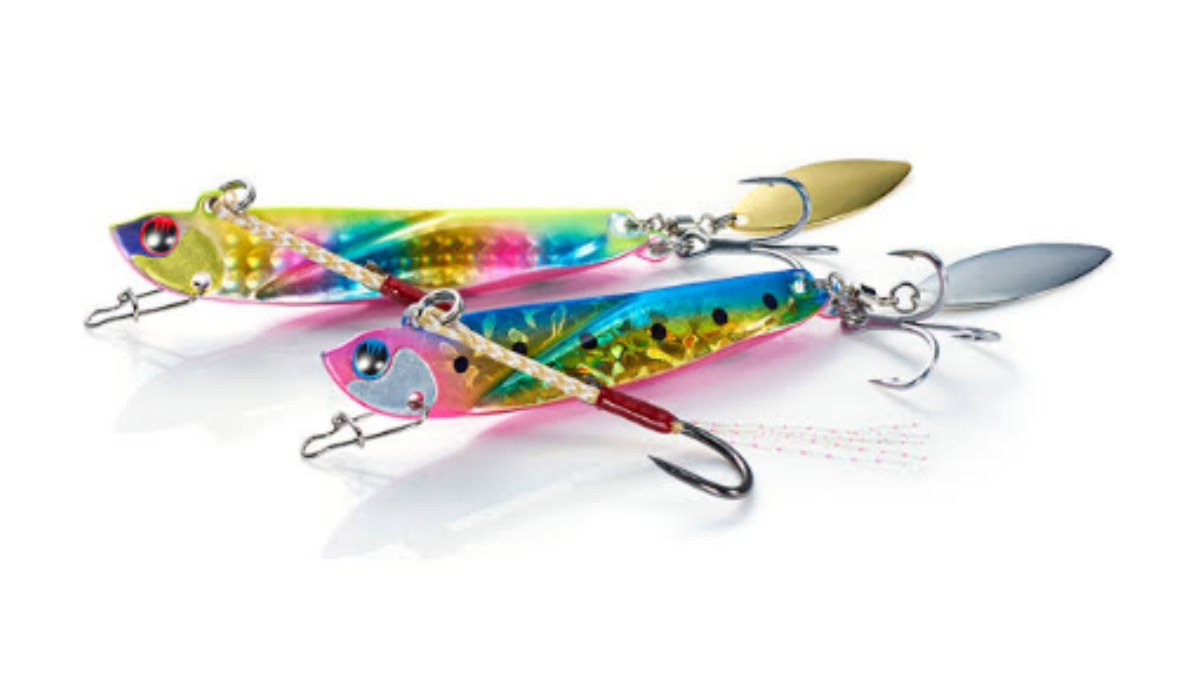
Jackson’s Tobisugi Daniel is one of those classic lures you can throw almost anywhere, on the surf or in a harbour, and expect to catch something. For 2026 it comes in a reinforced-hook version. Honestly, if I am fishing the surf in yellowtail season, this is the one I would pick. Here is why.
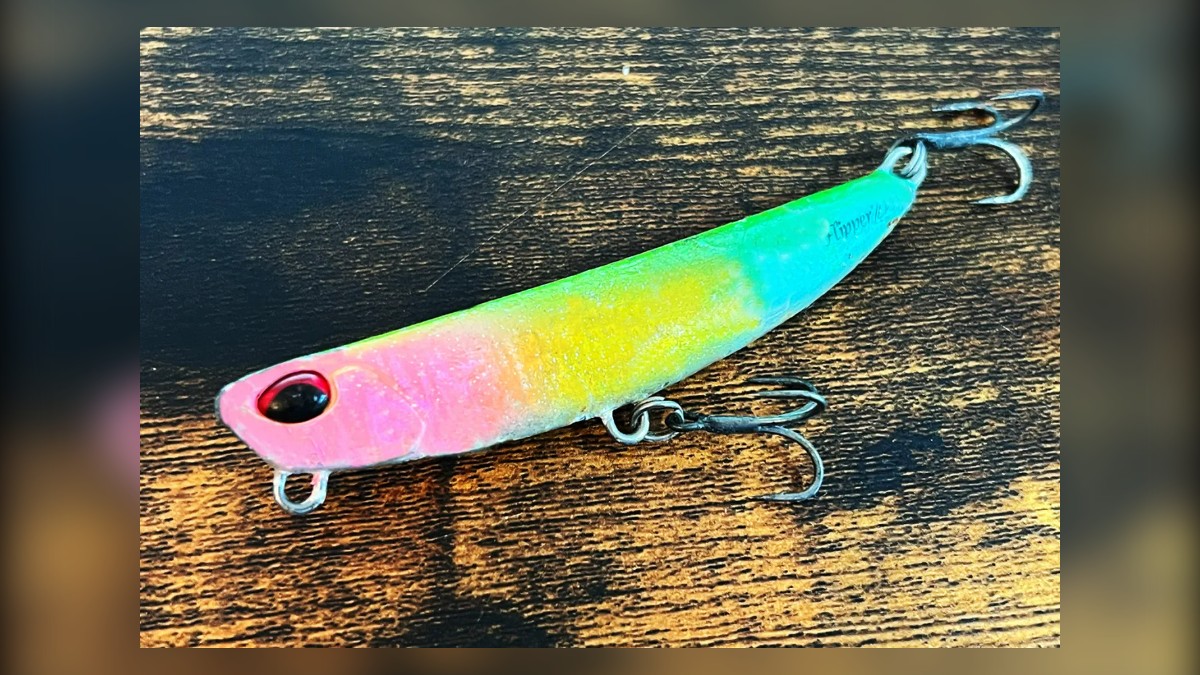
The Tobisugi Daniel combines the casting distance of a metal jig with the strong swimming action of a plug. It is a staple for surf flounder and yellowtail, harbour pelagics and even rockfish. The new version uses BKK FANGS 63UA trebles and is available for both the standard Daniel and the Daniel Blade.
| Weight | Length | Hook | Price in Japan (inc. tax) |
|---|---|---|---|
| 14 g | 61 mm | #12 | ¥1,265 |
| 20 g | 67 mm | #10 | ¥1,320 |
| 30 g | 80 mm | #6 | ¥1,430 |
| 40 g | 85 mm | #6 | ¥1,540 |
| Weight | Length | Hook | Price in Japan (inc. tax) |
|---|---|---|---|
| 30 g | 75 mm | #6 | ¥1,540 |
| 40 g | 83 mm | #6 | ¥1,595 |
Both come in eight colours.
The only change is the hooks: BKK FANGS 63UA. They are stronger, so hooked fish stay on better and the hooks last longer. The Daniel already has a belly treble as well as a tail treble, so it catches fish that hit from behind or strike up from below. With stronger hooks, big yellowtail and doormat-sized flounder are much less likely to straighten them.
Plenty of anglers already swap the stock hooks for stronger ones when targeting yellowtail. This version does that for you. Not losing time changing hooks during a bite window matters more than you might think.
| Standard | Reinforced hooks | |
|---|---|---|
| Best for | Flounder, flathead, sagoshi, small pelagics | Big yellowtail, doormat flounder |
| Hook strength | Standard | Strong (FANGS 63UA) |
| Hook changes | Worth upgrading for yellowtail | Ready to use |
| Suits | Flatfish and smaller fish | Surf and shore jigging in yellowtail season |
In my view, for the surf in yellowtail season (October to December in Japan), choose the reinforced version. Losing a big yellowtail to a straightened hook is the most painful way to lose a fish. For spring and summer flounder and flathead, or small harbour fish, the standard version is fine, and the finer hooks sometimes penetrate better.
| Tobisugi Daniel | Tobisugi Daniel Blade | |
|---|---|---|
| Appeal | Wobbling vibration | Wobble plus blade flash |
| Best days | Clear water, pressured fish | Murky water, scattered fish, sagoshi and Spanish mackerel |
| Weights (reinforced) | 14, 20, 30, 40 g | 30, 40 g |
I start with the standard Daniel to search, then switch to the Blade when bites are slow or the water is murky. The blade is louder, so pressured fish can see through it more easily.
| Weight | Use |
|---|---|
| 14 g, 20 g | Harbours, river mouths and calm surf; small pelagics and micro-bait days |
| 30 g | The standard for the surf, for flounder and yellowtail |
| 40 g | Headwinds, swell, or distant feeding fish |
If you buy one for the surf, start with the 30 g reinforced-hook model.
Eight colours, including surf favourites such as Blue Pink Gold, Kuro no Kyogaku (black), Shin no Iwashi (real sardine), Inazuma Pink, Hirame Chart and Chart Candy. Use Hirame Chart or Inazuma Pink at dawn and in murky water, Shin no Iwashi in clear water, and Kuro no Kyogaku for a strong silhouette in low light.
| Item | Guide |
|---|---|
| Rod | About 10 ft surf rod (M–MH) that can fully cast 30–40 g |
| Reel | 4000–5000 size, high gear |
| PE line (Japan no.) | 1.2–1.5 |
| Leader | Fluorocarbon 25–30 lb (heavier when sagoshi are around) |
The reinforced hooks are thick-wired, so pair them with a rod firm enough to drive the hooks home. Too soft a rod may not set them fully.
Not having to change hooks means more time fishing when it matters. For yellowtail season on the surf, it is worth swapping the Daniels in your box for the reinforced-hook version.