Rapala CrushCity Infiltrator Review (3" & 5")|Australia's New AFTA 2026 Award-Winning Soft Plastic
minagiman
Minagiman's Fishing Adventures in Japan
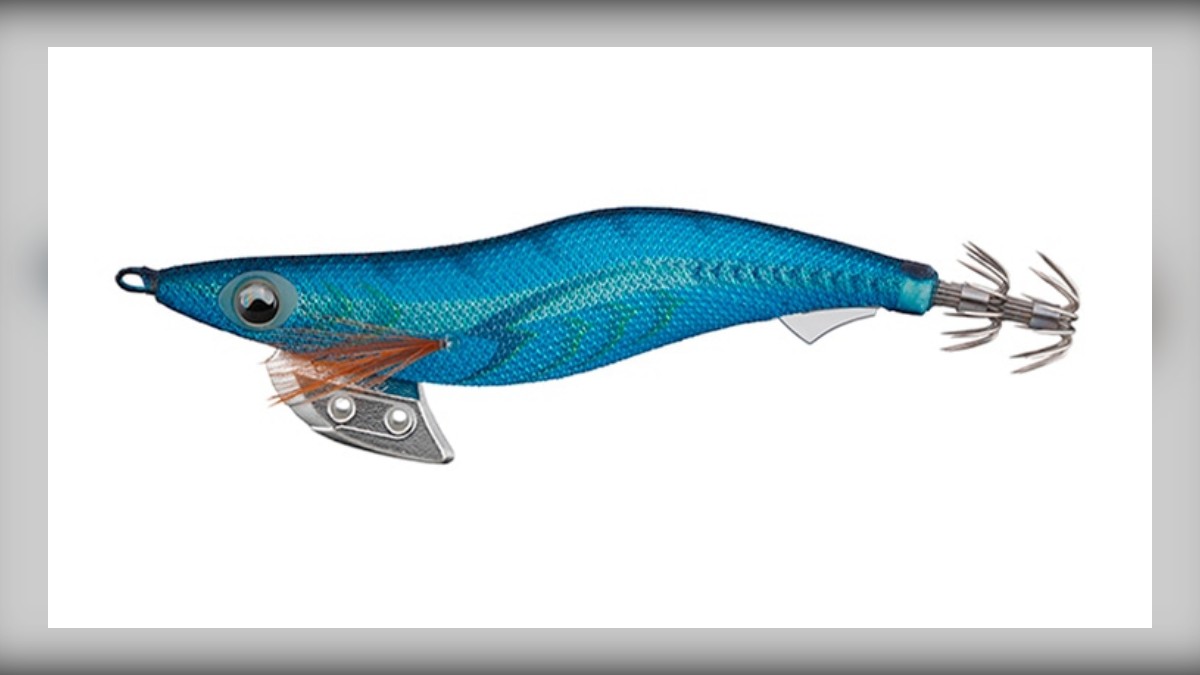
If you have looked at squid fishing in Japan, you have seen the name: Yamashita’s Egi-Oh (“King of Egi”) is the best-known squid jig in the country, and the Egi-Oh K is the version most anglers carry. Popular colours sell out as soon as they hit the shelves.
Egi are the shrimp-shaped lures used for eging – casting for squid, mainly bigfin reef squid (aori-ika). This guide covers what makes the Egi-Oh K different, and how to choose colours instead of just throwing every one in the box.
The K is designed for low-activity and pressured squid. A wary squid is put off by too much movement. The K is built to dart, but not to over-dart, and to fall slowly and steadily – giving the squid a long, calm moment to grab it. It is also designed to be less affected by wind and waves.
Egi are sized in Japanese gō numbers. Bigger numbers mean longer, heavier jigs.
| Size | Weight | Typical use |
|---|---|---|
| 2.5 | 11 g | Small autumn squid, shallow water |
| 3.0 | 16 g | The autumn standard |
| 3.5 | 22 g | The all-round size; spring squid |
| 4.0 | 26 g | Big spring squid, deeper water, wind |
The standard model sinks at roughly 3 seconds per metre in the 3.0-4.0 sizes. Slower and faster-sinking versions exist for shallow and deep water.
Yamashita designs each colour with a situation in mind. Knowing the intention saves you from casting through the whole box.
| Colour | When it works |
|---|---|
| Ultramarine | Low-activity squid; clear water such as the Japan Sea coast |
| Poison Purple | Silhouette plus glow – low light and night |
| Peacan Blue | Bright sun and clear water (“peacan” is Japanese slang for a cloudless sky); easy to see |
| Volcano Rock | Night, especially around weed beds – watch for snags |
| Tora Tora Pinky | High visibility for dawn and cloudy days |
| Oreno Olive | Based on the classic gold-horse-mackerel pattern; daytime with slightly stained water |
Some colours also have a UV-reactive (keimura) eye or a glow edge for extra appeal in low light.
Autumn is the numbers season, with many small squid. Spring is when the big ones – over a kilogram – come in to spawn. The Egi-Oh K works from autumn right through to spring.
The Egi-Oh K’s reputation is earned: a very stable fall, a controlled dart, and a colour range designed around real conditions. If you are going to try squid fishing in Japan, start with a 3.0 and a 3.5, one natural colour and one bright one.