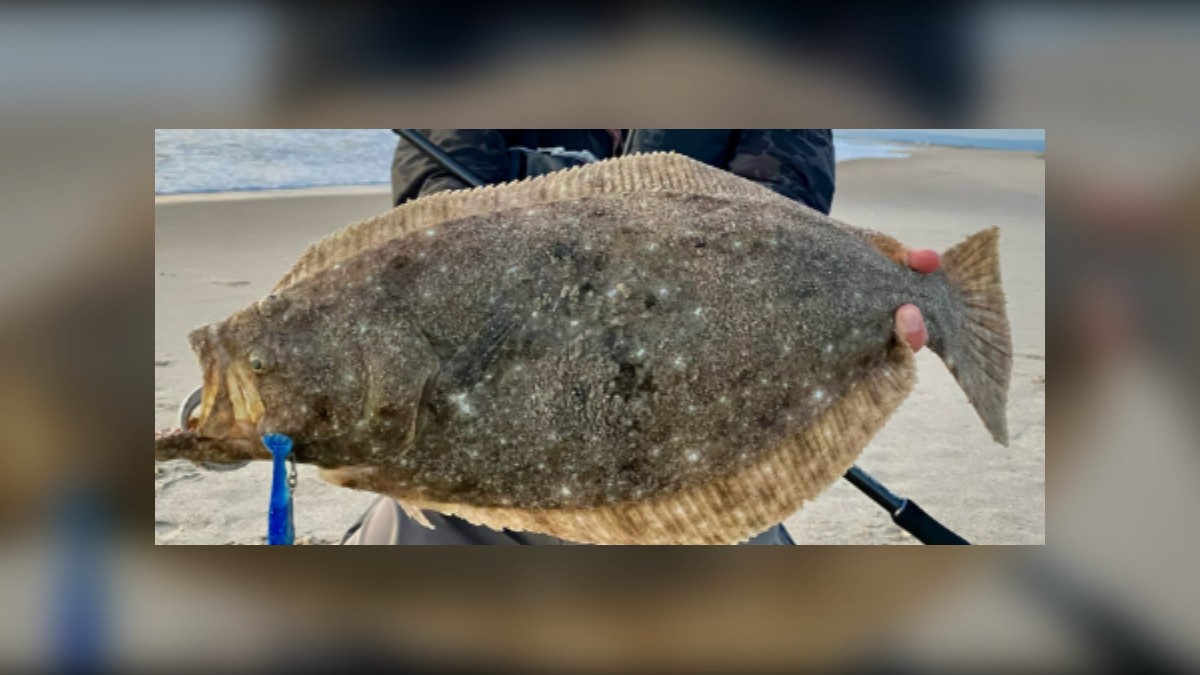
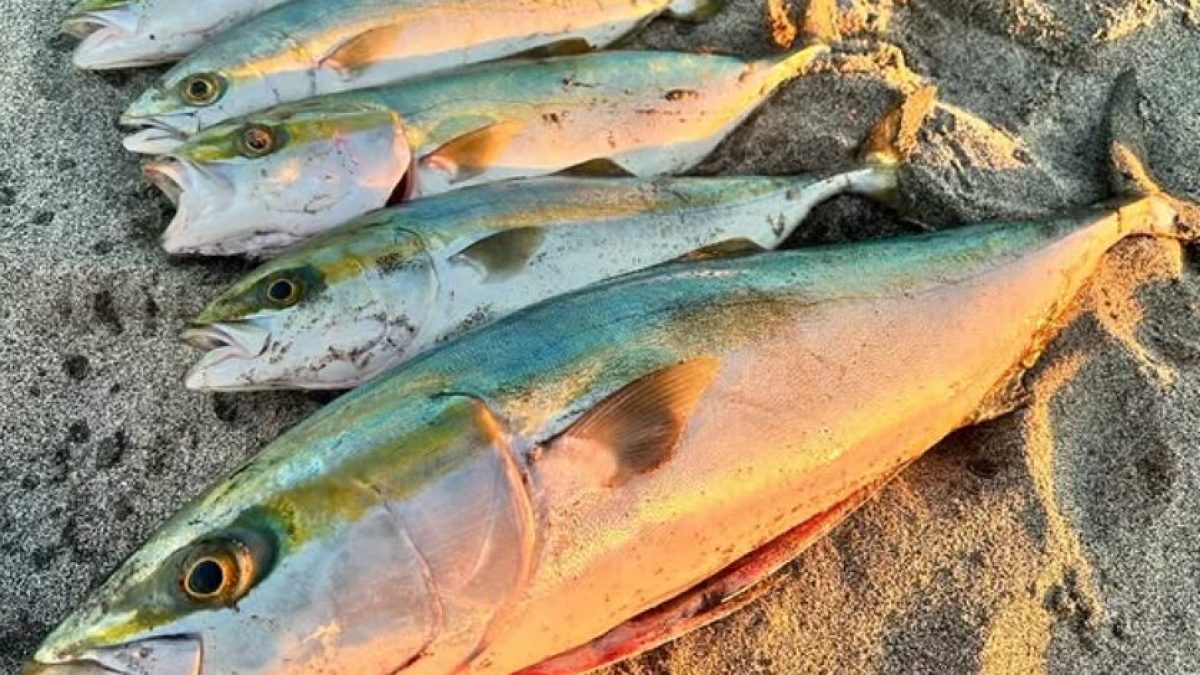
Enshu-nada Surf Fishing Report, Late October 2026: Flatfish On, Yellowtail Still to Arrive
minagiman
Minagiman's Fishing Adventures in Japan
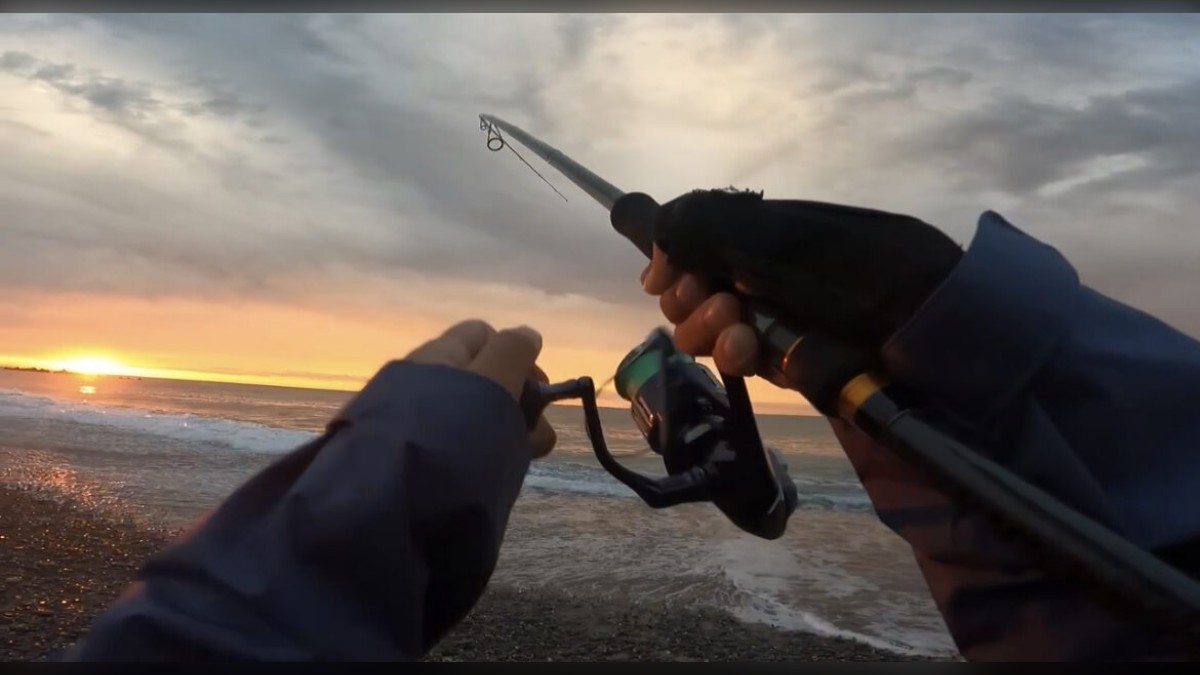
Japanese rod names look like codes because they are codes: S96ML, 86MLB-4, S86ML-S, 83M-SMT, B60-3. Each part tells you something about the rod before you read a single spec. Once you know the pattern you can scan a Japanese catalogue, or a JDM web shop, and pick the right model in seconds.
I fished the Enshu-nada surf in Shizuoka for years with Japanese rods, and now that I live on the Gold Coast I get a lot of questions from Australian anglers about JDM tackle. This guide decodes the rod names used by Shimano and Daiwa, the two biggest Japanese makers, and explains the spec table that sits under every model. If you are also buying a reel, read my companion guide to Japanese reel model names.
Most Japanese saltwater spinning and casting rods follow this order:
[reel type] [length] [power] [suffix]
Take S96ML, a common seabass length. S means a spinning rod, 96 means 9 feet 6 inches, and ML means medium-light power. Shimano’s 26 Lunamis S96ML, for example, is listed at 9’6″ (2.90 m), two pieces, 120 g, PE 0.5 to 1.5 and jigs up to 32 g. All of that is predictable from the name except the exact numbers.
The digits are feet and inches pushed together. The last digit is inches, the rest is feet. Japanese spec sheets also give the length in metres.
| Code | Length | Metres (approx.) | Typical use |
|---|---|---|---|
| 76 | 7’6″ | 2.29 m | Light game, boat eging |
| 83 | 8’3″ | 2.51 m | Eging (squid jigging) |
| 86 | 8’6″ | 2.59 m | Eging, harbour seabass |
| 96 | 9’6″ | 2.90 m | Seabass, light shore jigging |
| 100 | 10’0″ | 3.05 m | Surf, shore jigging |
| 106 | 10’6″ | 3.20 m | Surf, shore jigging |
| 110 | 11’0″ | 3.35 m | Long-cast surf, rock shore |
There is one trap. Three-digit codes under 10 feet are possible on some bass rods: Shimano uses 610 for 6’10”. Context makes it obvious, because nobody makes a 61-foot rod, but read the spec table if a number looks odd.
Power is how much force it takes to bend the rod, and so how heavy a lure and line it handles. Japanese makers use the same letters as the rest of the world:
| Code | Meaning |
|---|---|
| UL | Ultra light |
| L | Light |
| ML | Medium light |
| M | Medium |
| MH | Medium heavy |
| H | Heavy |
| XH | Extra heavy |
Japanese catalogues add finer steps. A “+” means a little stronger than the letter, for example ML+ or L+ (Shimano’s 26 Sephia XTune line includes S72ML+, S88L+ and S92ML+). Daiwa also uses combined grades such as MLM, between ML and M.
Power is not standardised between brands. A Shimano M and a Daiwa M will not be identical, and an M eging rod is far lighter than an M surf rod. Always read the lure weight range, which is the real measure.
Shimano’s saltwater rods start with the reel type: S for spinning, B for bait (casting). So S86ML is a spinning rod and B60-3 is a casting jigging rod. Shimano’s bass rods use an older numbering system instead: according to a widely used breakdown of the Scorpion code 1581F-2, the leading 1 means a baitcasting rod and 2 means spinning, followed by length (58 = 5’8″), a power number, an action letter (F = fast) and -2 for two pieces.
Daiwa usually puts the length first and the reel type after the power. The 2025 Lateo four-piece seabass line has spinning models from 90ML-4 to 110MH-4 and two bait models, 86MLB-4 and 93MB-4: the B after the power marks the casting versions, which I covered in my post on the Daiwa Lateo 4-piece. Some Daiwa series also add S for spinning in the same place, for example boat squid models such as 65MLMS-SMT.
| Suffix | Brand | Meaning | Example |
|---|---|---|---|
| -S | Shimano | Solid tip (a solid carbon tip section for sensitivity) | Sephia SS S86ML-S |
| -SMT | Daiwa | Super Metal Top: a super-elastic titanium-alloy tip | Emeraldas Stoist ST 83M-SMT |
| -2, -4 | Daiwa, Shimano bass | Number of pieces | Lateo 90ML-4; Scorpion 1581F-2 |
| -1 to -8 | Shimano offshore | Power class matched to the PE rating | Grappler Type J B60-3 (PE 3) |
On Shimano’s Sephia SS eging rods, models ending in -S have a solid tip, while the regular models have a tubular tip. The S86ML-S is the same length and jig range as the S86ML (8’6″, jigs 1.8 to 3.8 go, PE 0.4 to 1.0) but with a softer, more sensitive tip for reading the line on the fall.
SMT stands for Super Metal Top. Daiwa describes it as a tip made from a super-elastic titanium alloy, giving sensitivity carbon cannot match while still bending easily and resisting damage. You will see it on eging, boat squid, ayu and some bass models. The Emeraldas Stoist ST 83M-SMT, for example, is a 2.52 m, 89 g eging rod for jigs 2.5 to 4.0 go and PE 0.4 to 1.0.
Offshore jigging rods are named differently. Shimano’s Grappler Type J runs from B60-2 to B53-8: the first number is still length (60 = 6’0″), but the number after the dash rises with power and PE rating. B60-3 takes up to PE 3 and jigs up to 180 g; B60-5 takes up to PE 5. Daiwa’s own explanation of its offshore names is similar: reel type, length, pieces and the recommended PE rating, with the taper given in the spec table rather than the name.
Every Japanese rod has a spec table with the same columns. These are the ones overseas anglers stumble on:
| Column | What it means | Unit |
|---|---|---|
| Length | Total length | m, and feet-inches |
| Pieces | Number of sections | number |
| Closed length | Length when broken down, useful for travel | cm |
| Weight | Rod weight | g |
| Tip diameter | Diameter of the tip | mm |
| Lure weight | Recommended lure range; sometimes split by lure type | g |
| Egi | Squid jig size range | go number (e.g. 2.5-4.0) |
| PE line | Recommended braid size | go number (e.g. 0.6-1.5) |
| Carbon content | Share of carbon in the blank | % |
| Price | Japanese list price, usually before 10% consumption tax | yen |
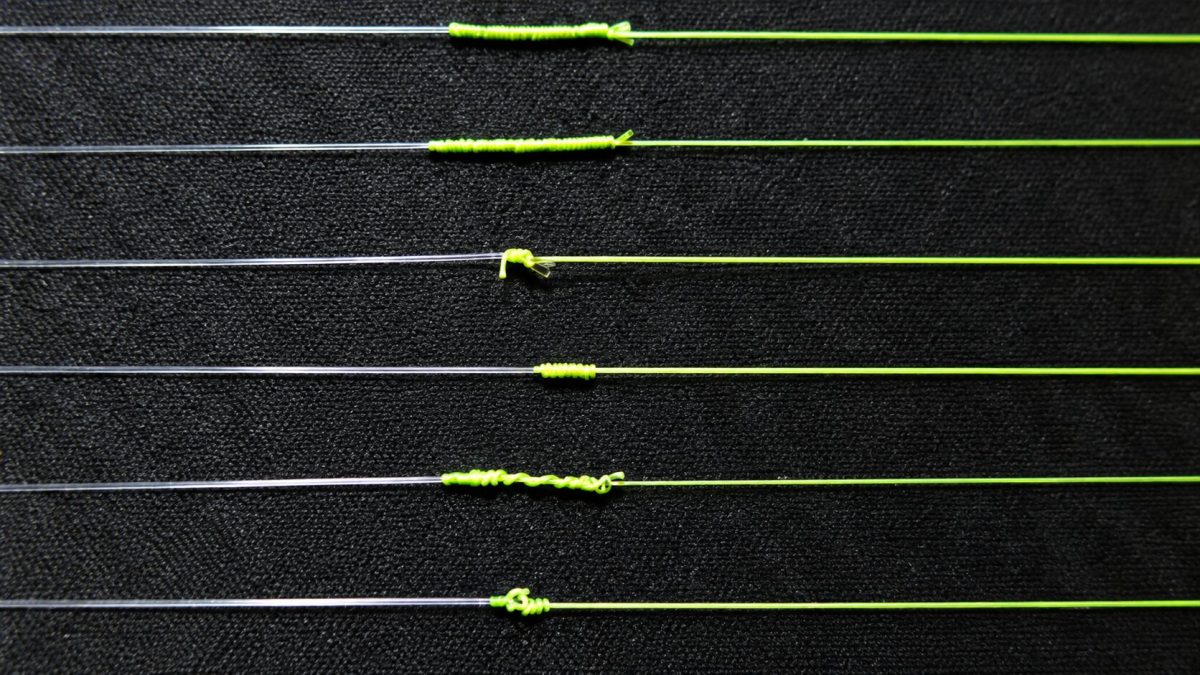
The PE column trips up most people, because “PE 1.0” is a Japanese thickness grade, not a pound rating. My PE line size and leader chart converts the go numbers to real-world line and leader choices.
If you know what you are fishing for, the name narrows the choice fast:
No. Power is set within each series and each brand. Use the lure weight and PE range in the spec table to compare rods.
Spinning. B means bait, which is the Japanese term for a casting rod used with a baitcasting reel.
Position matters. On Shimano saltwater rods, an S at the start means spinning, and -S at the end means a solid tip. S86ML-S is a spinning rod with a solid tip.
Japanese saltwater rods usually describe taper in the catalogue text or the spec table rather than in the name. Bass rods are the main exception.
Treat it as the range the maker designed the rod for. Casting near the top of the range at full power puts the most stress on the blank, so stay inside it.