Autumn Kisu (Japanese Whiting): Choosing Surf Rods, Reels, Shock Leaders and Sinkers for "Ochigisu"
minagiman
Minagiman's Fishing Adventures in Japan

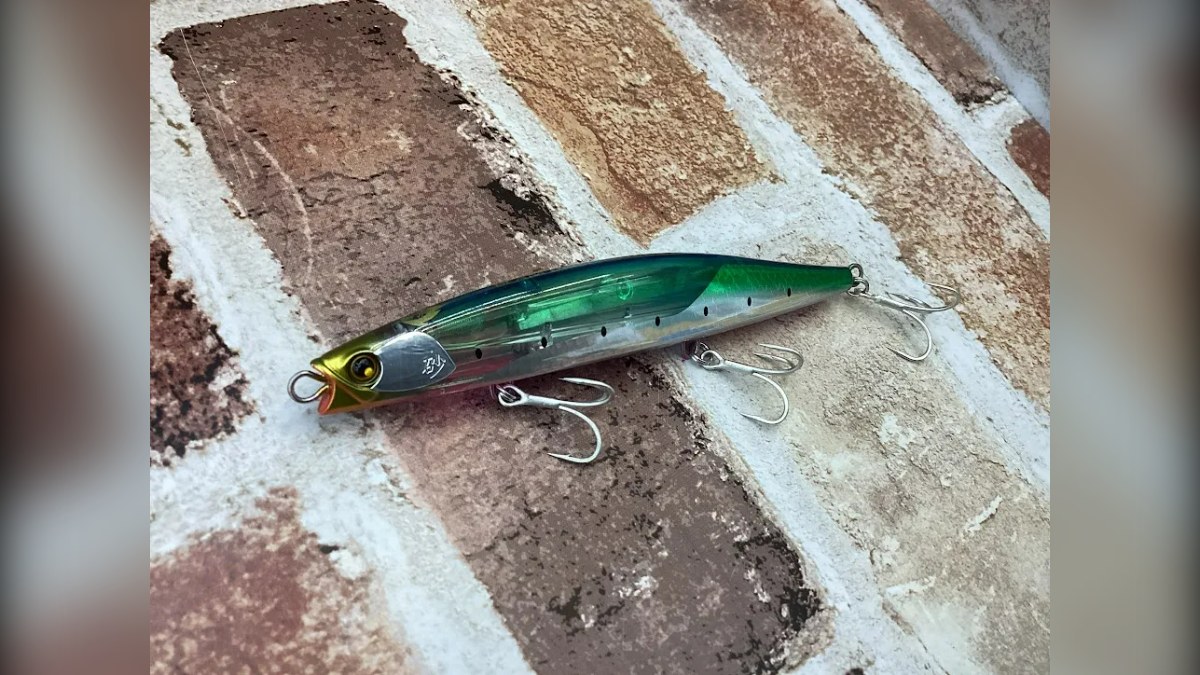
For a lot of overseas anglers, the best part of a trip to Japan is not the fishing. It is the tackle shopping. Japanese shops are packed with lures, reels and rods that never make it to export catalogues, used-tackle stores sell high-end gear at sensible prices, and you can see colours and sizes in person instead of guessing from a web page.
I am Minagiman, a Japanese angler who fished the Enshu-nada surf in Shizuoka for years and writes about Japanese tackle on my Japanese blog almost every day. When I visited the Fishing Show Osaka in 2026, I still ended the day in a local tackle shop buying float-rig gear on the way home. This guide covers the shop types and chains worth knowing, how to buy used tackle safely, and how tax-free shopping works under the new refund system that started on 1 November 2026.
Japanese tackle retail is split into a few clear types. Knowing which one you are walking into saves a lot of time.
| Shop type | What you find | Best for |
|---|---|---|
| Large chain stores | Wide range of rods, reels, lures, line, bait and terminal tackle at normal prices | Everyday gear, line, hooks, bait, local advice |
| Specialist and boutique shops | High-end and hard-to-find lures, limited colours, premium rods and reels | Collectors, lure anglers, JDM-only models |
| Used-tackle chains | Second-hand reels, rods and lures checked and priced by staff | High-end reels and discontinued lures at lower prices |
| Electronics and department stores | Fishing sections in big city stores | Convenient for tourists, tax-free counters, points cards |
| Small local bait shops | Bait, rigs and very local information | Before a pier or harbour session |
Sansui in Shibuya is one of the best-known tackle shops in Tokyo for Western-style game fishing, with a reputation for high-end and hard-to-find products. English-language guides describe several Shibuya stores covering lure and fly fishing, traditional Japanese freshwater fishing, and saltwater boat and bait fishing. The game-fishing stores are a short walk from Shibuya Station along Meiji-dori. If you are a lure angler in Tokyo for one afternoon, this is usually the first stop.
Joshuya is a large chain with many stores around the Tokyo area, including Shibuya. It is a good, practical shop for line, hooks, sinkers, rigs and mid-range tackle, and it often runs sales. For rare or premium items you will usually do better at a specialist shop.
Tackle Berry is the best-known used-tackle chain in Japan, with around 100 stores nationwide according to English-language shop guides, including one in Shibuya. Staff assess, clean and price second-hand gear, and the reel cases are where many visitors find a lightly used Shimano or Daiwa reel for much less than new. It is also one of the few places to find discontinued lures and older colours.
If you are in Osaka or Kobe, Fishing Max is a regional chain with several stores in the Kansai area, popular with local shore anglers. See my Osaka and Kansai fishing guide for where to fish once you have your gear.
Yodobashi Camera is known for electronics, but its larger city stores have well-stocked fishing sections with rods, reels and accessories. For tourists the advantages are convenience, long opening hours and staff used to tax-free sales.
Japan has many more chains and independent shops, often regional. Near any popular coast you will find local chains and small bait shops that know the current conditions far better than any website. Ask what is biting; even with a translation app, Japanese shop staff are usually happy to point at the right lure.
Used tackle is one of the best values in Japan, because Japanese anglers tend to look after their gear and upgrade often. A few tips:
Used rods are also good value, but think about how you will get them home. One-piece rods longer than about 2 metres are difficult on planes, so many visitors stick to multi-piece travel rods or reels and lures.
Japan changed its tax-free shopping system on 1 November 2026. Under the old system, eligible visitors could buy goods without consumption tax at the till. Under the new “refund method”, you pay the normal tax-inclusive price in the shop, then get the tax refunded after customs confirms at your departure that the goods are leaving Japan.
Key points from the Japan Tourism Agency and airport guidance:
In practice, this means you should keep your tackle and receipts together in your carry-on until you have done the tax-free procedure at the airport, then check your bags. Not every tackle shop is a registered tax-free shop, so ask before you pay (“tax-free OK?” is understood almost everywhere).
The best buys are the things that are hard to get at home:
If you cannot visit in person, my guide to buying Japanese tackle from overseas explains proxy and forwarding services.
Many Japanese brands are cheaper in Japan than abroad, especially lures and used reels, but it depends on the exchange rate and the item. JDM-only models are worth buying simply because you cannot get them at home.
Yes, at registered tax-free shops, if you spend 5,000 yen or more (excluding tax) in one shop on one day. Since November 2026 you pay tax first and get it refunded after the customs check at departure.
Used-tackle chains such as Tackle Berry are the easiest place to start, because the gear is checked and graded and you can handle it before you buy.
Japan is one of the best places in the world to buy fishing tackle. Visit a big chain for the basics, a specialist shop such as Sansui for rare and high-end lures, and a used-tackle shop such as Tackle Berry for reels at good prices. Under the new tax-free system, pay the full price in the shop, keep your purchases and receipts with you, and complete the refund procedure at the airport before checking your bags.