Tide, Wind and Swell: How to Decide Whether to Fish the Beach
minagiman
Minagiman's Fishing Adventures in Japan

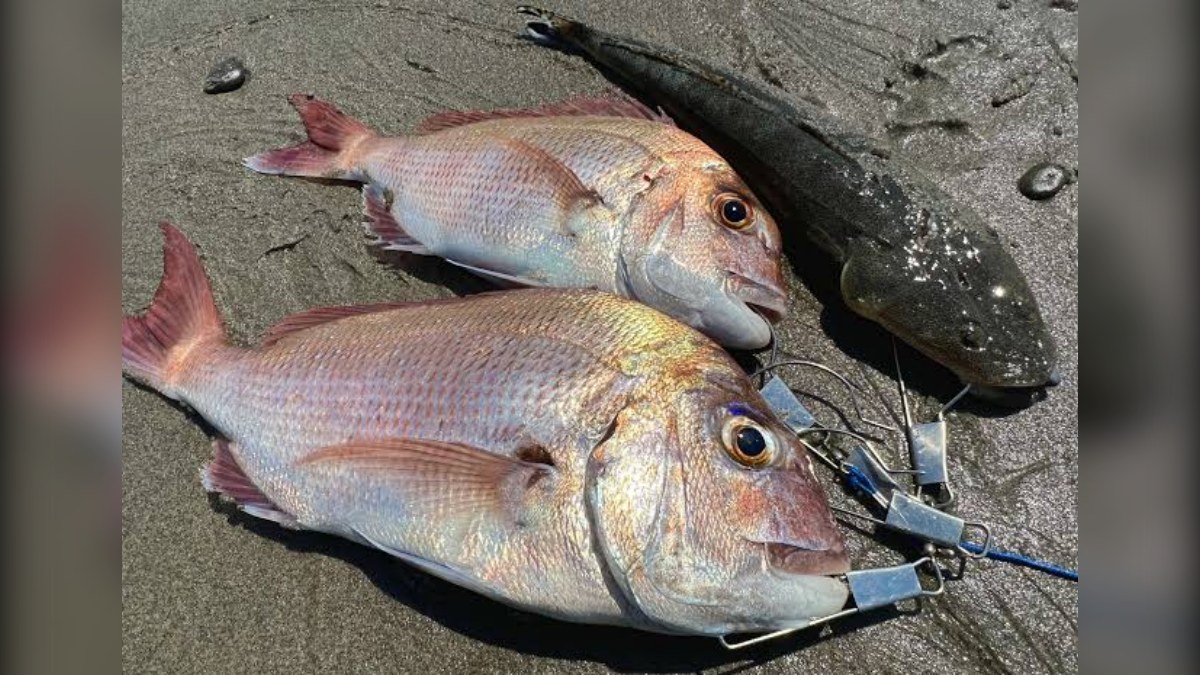
If you have watched Japanese boat-fishing videos, you have probably seen anglers dropping a round lead head with a rubber skirt and a couple of wiggly tails, reeling it straight back up, and hooking big pink fish. That lure is a tai rubber (often written “tai-rubber” or “tairaba”), also known as a tai kabura, and the fish is usually madai, the Japanese red sea bream.
I am Minagiman, a Japanese angler who fished the Enshu-nada surf in Shizuoka for many years. Madai are one of the fish Japanese anglers respect most, and on my home beaches they sometimes turn up as a welcome bonus while I am fishing for flounder. Offshore, though, the method most Japanese anglers use to target them on purpose is tai rubber. This guide explains what the lure is, how the technique works, how to pick a weight, and what tackle Japanese makers recommend, so you can try it at home or on a party boat in Japan.
“Tai” means sea bream and “kabura” is an old Japanese name for a weighted head lure. The traditional kabura was a simple weighted head used by commercial and local fishermen. The modern tai rubber keeps the idea but adds soft, colourful skirts and tails, and is now one of the most popular offshore lure methods in Japan.
A typical tai rubber has four parts:
Japanese makers sell the skirts, ties and hooks as replaceable units. Daiwa, for example, uses a quick-change connector system so you can swap ties and skirts on the boat without retying. That is useful, because changing colour and tie shape is a big part of the game.
The appeal of tai rubber is that the core technique is very simple. Japanese guides from Daiwa and Honda describe it in almost the same words: drop to the bottom, then reel back up at a steady speed.
Free-spool the lure to the bottom. The fall itself attracts fish, so watch your line as it sinks. Many anglers lightly thumb the spool so they can feel the moment the head touches down and control the fall speed.
Daiwa calls this “touch and go”. As soon as the head touches bottom, start reeling. If the lure sits on the bottom, fish lose interest. A few quick turns right after touchdown take up slack line, then settle into your steady retrieve.
Keep the retrieve constant. No jerks, no pauses, no rod work. Daiwa suggests retrieving through roughly the bottom third to half of the water depth, and Honda’s beginner guide suggests about a third of the depth, or roughly 30 handle turns, before dropping again. If fish are chasing higher, for example during the active spring season, keep reeling higher in the water column.
This is the part that feels wrong to most lure anglers. Madai often nibble at the tie before they eat the lure. If you strike at the first tap, you usually pull the lure away. Japanese guides all say the same thing: keep reeling at the same speed until the rod loads up and you feel the weight of the fish. A soft-tipped rod helps the fish turn and hook itself.
When you hook one, keep a steady pressure. Madai make strong head-shaking runs, and a properly set drag does most of the work. My drag setting guide explains how to set and check drag in kilograms.
Choosing the right weight is the most important decision in tai rubber, and it changes through the day as the tide and wind change.
A common rule of thumb in Japan, given in Honda’s fishing guide, is that the weight in grams roughly matches the depth in metres. In 80 m of water, start at about 80 g. From there, adjust for wind and tide. The one thing you should not do is go so light that you cannot clearly feel the bottom.
Daiwa does not use a strict formula but gives weight bands by type of ground:
| Water | Typical weight range |
|---|---|
| Shallow areas | 60-100 g |
| Middle depths | 80-120 g |
| Deep water | 150-200 g |
How the boat drifts matters as much as the depth.
On a party boat in Japan, the captain usually announces the recommended weight range before you start. Follow it, because using a much lighter head than everyone else leads to tangles with the anglers next to you. If you are new to Japanese charter boats, my party boat fishing guide covers booking and etiquette.
Daiwa’s beginner advice gives a good starting point. Use it as a baseline and adjust for your local depths.
| Item | Recommendation |
|---|---|
| Rod | 6-7 ft dedicated tai rubber rod with a soft, “loading” tip |
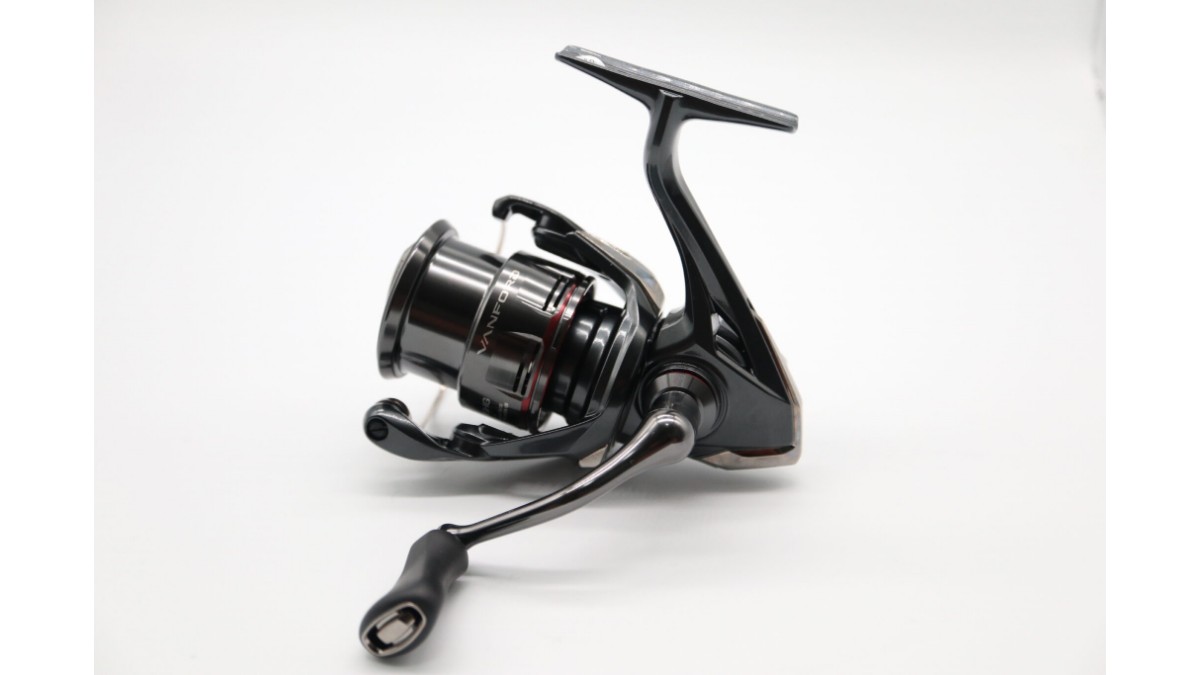
| Reel | Small baitcasting reel (mainstream in Japan); spinning reel for casting in calm conditions |
| Main line | PE 0.8 or PE 1 |
| Line capacity | At least 200 m; a PE 0.8 spool with 300 m is common |
| Leader | Fluorocarbon 3-5 go (Japanese size), about 4.5-5 m long |
Most Japanese tai rubber anglers use small baitcasting reels. The clutch lets you drop instantly when you touch bottom, and your thumb on the spool controls and senses the fall. Spinning reels are useful when you want to cast away from the boat and work the lure on a diagonal line, which can be effective in calm conditions with little tide.
PE 0.8 to 1 is the standard. Thin line sinks faster, catches less tide and lets you use lighter heads. Leaders of fluorocarbon 3 to 5 go are standard. If Japanese PE and leader sizes are new to you, my PE line and leader chart converts gō numbers to pounds and millimetres.
Ask ten Japanese tai rubber anglers about colour and you will get ten answers. Daiwa’s own advice is practical: the best colour changes a lot by area and by day, so ask the captain what weight and colour are catching, then rotate.
Tai rubber can be fished all year round in Japan, but fish behave differently through the seasons.
Spawning periods and sudden changes in water temperature or water quality can switch fish on and off, which is why the same spot can be hot one day and dead the next.
The name says sea bream, but tai rubbers catch a lot of other bottom and mid-water fish. Groupers, flatfish, rockfish and various snappers all eat them. This is one reason the method has spread from Japan to anglers in Australia, New Zealand, Europe and South-East Asia, where similar lures are now common in tackle shops. For the Japanese names of many of these species, see my Japanese fish names glossary.
Yes, in practice. Kabura is the older word for the weighted head lure; tai rubber or “tairaba” is the modern name. Both refer to a weighted head with a skirt, tie and assist hooks.
Start with grams roughly equal to the depth in metres, for example 80 g in 80 m, and go heavier if you cannot feel the bottom clearly.
A dedicated tai rubber rod with a soft tip makes hooking much easier, because the fish can take the lure without feeling resistance. A light slow-jigging rod can work, but a stiff jigging rod will miss many bites.
Baitcasting is the mainstream choice in Japan for vertical fishing. Spinning tackle is useful for casting and diagonal retrieves in calm conditions.
Tai rubber is one of the easiest Japanese offshore techniques to learn: drop to the bottom, reel back up at a steady speed, and do not strike until the fish is on. Choose a weight that lets you feel the bottom (grams roughly equal to depth is a good start), use light PE line and a soft rod, and rotate colours and tie shapes until you find what the fish want that day. It is a simple method that rewards patience, and a madai on light tackle is a fish you will remember.