How to Customize the DUEL Monster Shot
minagiman
Minagiman's Fishing Adventures in Japan

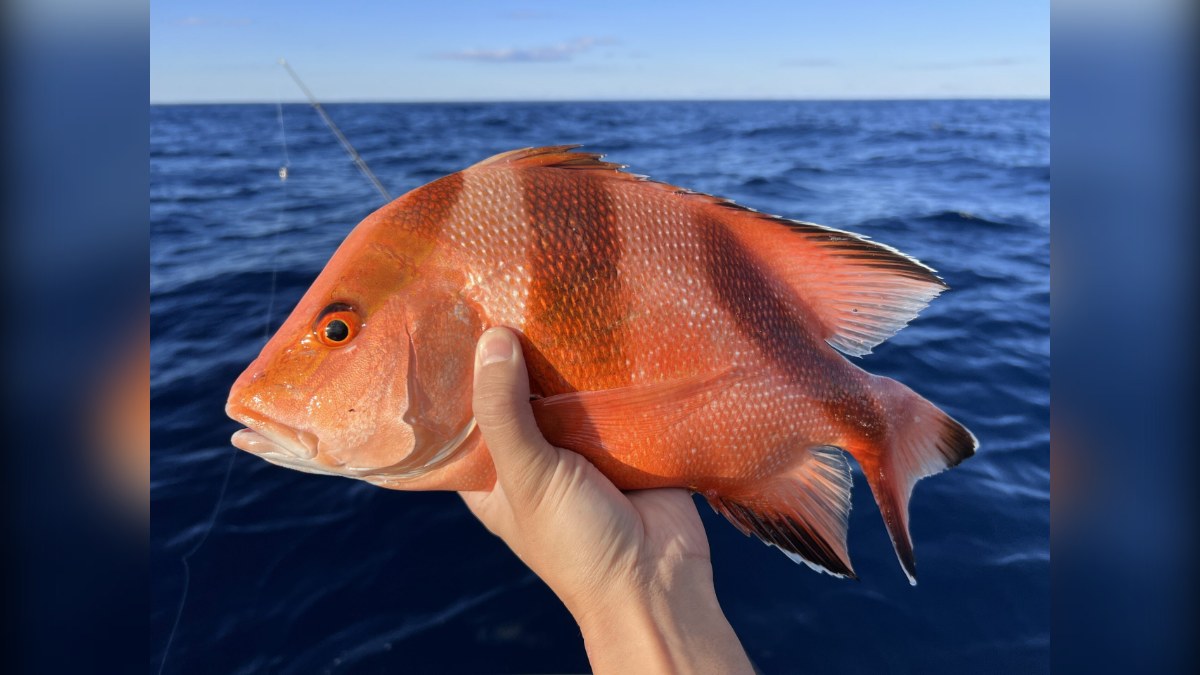
Okinawa is Japan’s subtropical island prefecture, and for many overseas anglers it is the most exotic place to fish in the country. Coral reefs, warm water, colourful reef fish, giant trevally and big boat-fishing species are all close to the main tourist areas. It is also a place where the rules are a little different from mainland Japan, and where the reef itself can hurt you if you are careless.
I am Minagiman, a Japanese angler who fished the Enshu-nada surf in Shizuoka for years and now lives on the Gold Coast in Australia. I have not fished Okinawa myself, so this guide is built from the Okinawa Prefecture’s official English fishing rules, the Japan Fisheries Agency’s guidance for foreign visitors, official health advice and travel information, written from the point of view of someone who knows Japanese fishing culture well.
For ordinary recreational sea fishing, no. Neither the Okinawa Prefecture rules nor the Fisheries Agency’s guidance for foreign visitors describe a general licence for shore or small-boat sea fishing. What they do say is that visitors may only gather or catch aquatic animals and plants on a “minor scale”, and commercial fishing by foreigners is prohibited.
The national framework is the same as the rest of Japan, which I explain in Do You Need a Fishing License in Japan?. Okinawa adds its own gear rules, size limits and protected areas, covered below.
According to the Okinawa Prefecture’s English fishing rules, recreational anglers may use:
The following are prohibited for recreational fishing:
The spear-gun ban surprises many visitors from Australia and other places where spearfishing is popular. In Okinawa, freediving with a spear gun is not allowed for recreational fishers.
In Japan, members of local fishing cooperatives hold fishing rights (gyogyoken) over certain species in their area. In Okinawa these typically cover:
The prefecture’s English rules say foreigners cannot harvest these species, even together with Japanese fishers. Which species are covered depends on the area, so if in doubt, leave it. The penalties are serious: the prefecture lists fines of up to 1 million yen for fishing-rights violations, and sea cucumbers are a “specified species” with penalties of up to 3 years in prison or a fine of up to 30 million yen.
Never take reef-building corals, sea turtles or turtle eggs, and do not collect sand, rocks, live rock or coral rubble as souvenirs.
The prefecture publishes size limits for some species. Fish and shellfish at or below these sizes must be released:
| Species | Size limit (release if at or below) |
|---|---|
| Spiny and slipper lobsters | 20 cm |
| Giant clam | 30 cm (fluted giant clam 20 cm) |
| Coral trout | under 40 cm |
| Blackspot tuskfish | under 35 cm |
| Deep-water red snapper | 30 cm |
| Japanese snapper and lavender jobfish | 25 cm |
| Green turban snail | 13 cm |
Closed seasons listed by the prefecture include spiny and slipper lobsters from 1 April to 31 July, giant clams from 1 June to 31 August, and sea turtles from 1 June to 31 July. Egg-bearing individuals are protected all year. Remember that lobsters and giant clams are usually under fishing rights anyway, so as a visitor you should not be taking them at all.
There are also marine protected areas, mainly around Ishigaki and the Yaeyama Islands, including spawning-ground closures and protected areas for deep-sea snappers. If you fish the outer islands, check the latest prefecture rules or ask your boat captain.
Most shore fishing in Okinawa happens at fishing ports, breakwaters and seawalls. As anywhere in Japan, some ports or parts of ports are closed to anglers, and the Fisheries Agency asks visitors not to enter restricted areas. Activity Japan notes, for example, that fishing is prohibited within Toya Fishing Port. Look for signs, stay out of working areas and never block boats or cranes. My guide to Japanese fishing etiquette at piers and beaches covers the unwritten rules too.
One port often recommended for families is Miegusuku Fishing Port near Naha, described by Activity Japan as having stable footing, paid parking, toilets and vending machines. Ports in Nanjo and Yonabaru are also mentioned as shore spots.
Okinawa has its own dialect names for fish, and you will hear them at boat tours, markets and restaurants. Here are some that are confirmed by Okinawa Prefecture pages or the official tourism site:
| Okinawan name | Standard Japanese | English |
|---|---|---|
| Gurukun | Takasago | Double-lined fusilier (the prefectural fish) |
| Taman | Hamafuefuki | Spangled emperor |
| Irabucha | Budai family | Parrotfish |
| Mibai | Hata | Grouper |
| Akajin (akajin-mibai) | Sujiara | Leopard coral grouper |
| Makubu | Shirokurabera | Blackspot tuskfish |
You will also hear gara (or gaara) used for trevallies and jacks, and akamachi for the deep-water red snapper. For mainland names, see my Japanese fish names glossary.
Bigfin reef squid (aori-ika) are also a popular target in Okinawa, so if you enjoy eging, pack a few egi. I explain this squid in my aori-ika guide.
For most visitors, a guided boat tour is the simplest way to fish Okinawa. According to Activity Japan, tours on the main island depart from places such as Kadena Fishing Port, Ginowan Marina, Cape Zanpa, Onna, Naha, Nago and Tsuken Island, and there are also trips from Itoman in the south. Many tours include a rod, reel, bait and terminal tackle, and life jackets and coolers are often provided.
Typical styles include:
If you have done party-boat fishing on the mainland, Okinawa tours are similar but often more tourist-friendly. My guide to party boat fishing in Japan explains booking and etiquette.
Okinawa can be fished all year, according to the Japan National Tourism Organization. Summer (roughly July to September) is the busiest tourist season, but it is also typhoon season. Activity Japan recommends autumn and winter, roughly November to February, for serious sea fishing, with winter mentioned as a good time for akajin and mahi-mahi.
| Season | What to expect |
|---|---|
| Spring (Mar to May) | Pleasant weather, fewer typhoon worries |
| Summer (Jun to Sep) | Hot, busy, habu jellyfish season, typhoons possible |
| Autumn (Oct to Nov) | Typhoon risk drops, comfortable conditions |
| Winter (Dec to Feb) | Mild by Japanese standards, windy days, good offshore fishing |
The habu jellyfish is a dangerous box jellyfish. Okinawa’s official advisory period runs from 1 June to 30 September. If you are stung, the official advice is to leave the water calmly, not to scratch the area, pour plenty of vinegar on it, remove the tentacles, cool it with ice and then see a doctor. Cover your skin when wading.
Sea snakes, geography cone shells and lionfish are among the venomous creatures in Okinawan waters. Keep your distance and do not touch them. Wear solid footwear when walking on reef flats or rocks, never pick up cone shells, and handle spiny fish with a fish grip.
Ciguatera is a type of fish poisoning caused by toxins that build up in some reef fish. Okinawa Prefecture names the yellow-edged lyretail, one-spot snapper and red snapper (Lutjanus bohar) as causative species. The official advice:
Recovery can take months, so if you are unsure, ask your captain before keeping fish to eat.
Typhoons approach Okinawa from about June to October, most often in August and September. Check forecasts and expect cancellations. Summer heat and sun are intense, so drink plenty of water, wear a hat and sun protection, and avoid the midday sun on open breakwaters.
Yes, for recreational sea fishing on a minor scale with permitted gear such as rod and line. You still have to follow the prefecture’s gear rules, size limits and fishing-rights rules.
Recreational use of spear guns is prohibited. A simple pole spear without a launcher is listed as allowed, but scuba gear is not.
No. Octopus, shellfish, lobsters and sea cucumbers are typically under local fishing rights, and visitors must not take them. Collecting coral, rocks or sand is also prohibited.
Gurukun (double-lined fusilier) is the prefectural fish and a local favourite, often served deep-fried.
Okinawa is a wonderful place to fish, with no general licence needed for recreational sea fishing and plenty of boat tours that make it easy for visitors. The rules that catch people out are the spear-gun ban, the fishing rights over octopus, shellfish, lobsters and sea cucumbers, and the protection of coral and turtles. Respect those, take the reef hazards and ciguatera seriously, check the typhoon forecast, and you can enjoy some of the most colourful fishing in Japan.