Surf Drag Setting: How Many Kilos? What "One Third of Line Strength" Really Means
minagiman
Minagiman's Fishing Adventures in Japan

Osaka is famous for street food, not fishing, but the city sits on Osaka Bay and anglers here fish all year round. If you are visiting Kansai (Osaka, Kobe, Kyoto and the surrounding prefectures), you can fit a few hours of sea fishing into your trip without a car, a boat or a big budget. The trick is knowing where you are actually allowed to fish, because much of the bay shoreline is working port land.
I am Minagiman. I spent years fishing the Enshu-nada surf in Shizuoka, and I have been to the Fishing Show Osaka (the big annual tackle show in Kansai) two years in a row. On my last visit in February 2026 I was so busy looking at the booths that I forgot to join the event I had come for, then stopped at a local tackle shop on the way home to buy float-rig gear. That is very Osaka: lots of anglers, lots of shops, and a lot to see. This guide pulls together the options that make sense for a visitor.
For ordinary rod-and-line sea fishing from the shore you do not need a national fishing license in Japan. What you do need to follow are local rules: fishing parks have their own hours and fees, some port areas are closed to anglers, and certain species such as abalone and sea cucumber must never be taken. Freshwater fishing in rivers and lakes is often managed by local fishing cooperatives that sell day tickets. I explain the whole system in Do you need a fishing license in Japan?
If you are staying in central Osaka and want one reliable spot, start with the Osaka Nanko Uotsuri-en (Nanko fishing park). “Uotsuri-en” simply means a fishing park. It is a public sea wall on the South Port (Nanko) area of Osaka Bay in Suminoe ward, and it is described as the only prefectural sea fishing park in Osaka. It opened in 1979 and gives you around 600 metres of sea wall with room for several hundred anglers.
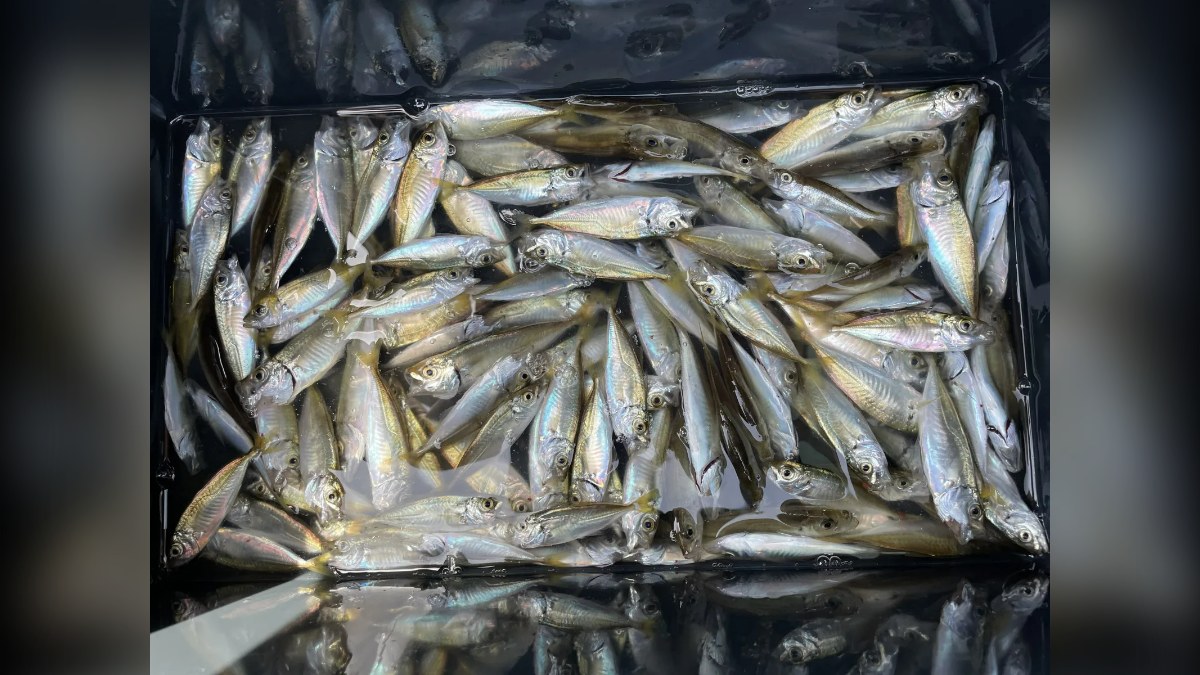
Children need to be accompanied by an adult, and staff ask anglers to pack up when lightning approaches. You may take home what you catch. For a first-timer, a sabiki rig (a string of small flasher hooks) with a little chum is the classic way to catch aji here. My Japanese horse mackerel (aji) guide explains the fish and how to eat it.
Close to the fishing park, the Cosmo Square area (a few minutes’ walk from Cosmo Square station) also has an open sea wall where locals fish. It is free, but it is not a managed fishing facility, so footing and rules are less clear. Treat it as a backup and look out for no-fishing signs.
Two of the best-known public fishing piers in Kansai are actually in Hyogo prefecture, between Osaka and Kobe. Both are easy to combine with a sightseeing day.
| Facility | Area | Fee (adult) | Access | Notes |
|---|---|---|---|---|
| Amagasaki Fishing Park | Amagasaki, between Osaka and Kobe | 830 yen (one guide) | Hanshin Line to Mukogawa station, then taxi; seasonal shuttle | Rental gear and instruction, BBQ area, closed Tuesdays |
| Hiraiso Fishing Park | Tarumi, Kobe | 1,000 yen for 4 hours (one guide) | Higashi-Tarumi station (Sanyo Line) or JR Tarumi | Long pier, rental gear, cafeterias |
Typical catches at these parks are sea bass, black sea bream, rockfish, horse mackerel and, depending on the season, flounder. Prices and hours change, so treat the figures above as a guide only and check the official websites on the day.
South of the city, towards Kansai International Airport, the coastline is known locally as Senshu. It is more relaxed than central Osaka and has some of the best shore fishing in the prefecture. It is also convenient if you are flying in or out of Kansai Airport.
The man-made island off Kaizuka is reached by bridge and is popular with local anglers for black sea bream (chinu), sea bass, ribbonfish in late summer and autumn, Japanese whiting (kisu), mackerel, sardines and octopus. Note that the inner “pool” area inside the L-shaped jetty is off-limits to fishing, and local guides say the city does not recommend fishing from the tetrapod breakwaters. Do not park on the main road. A car or taxi makes this much easier.
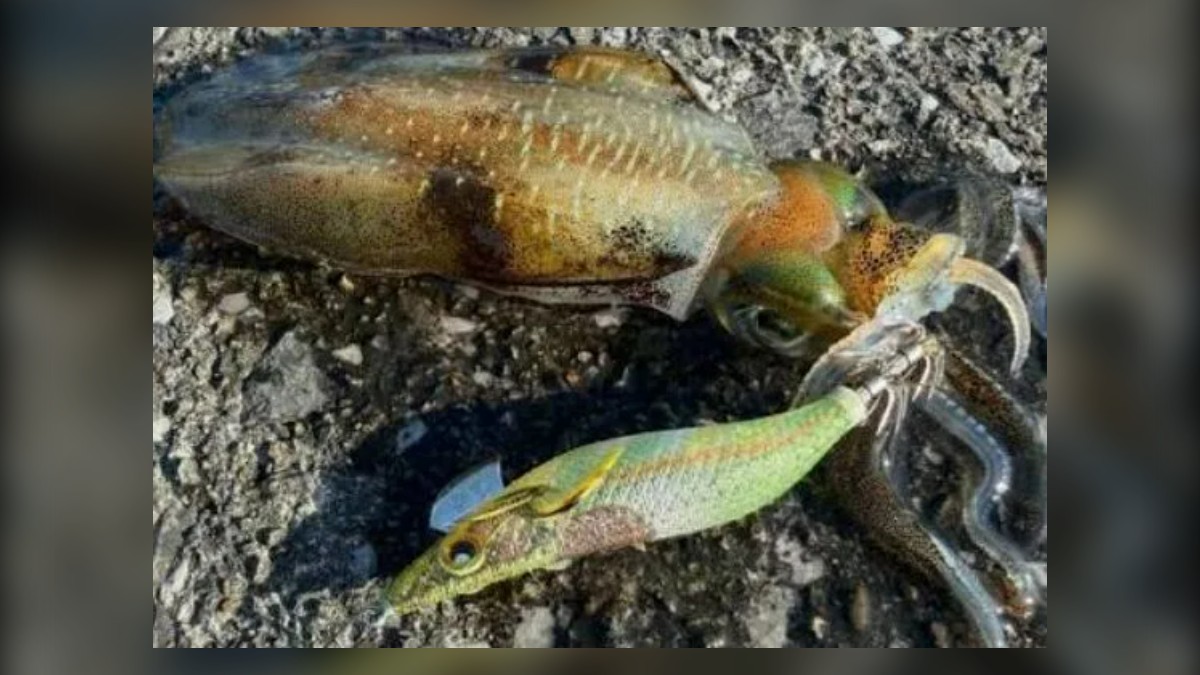
Around Tarui (a short walk from Tarui station on the Nankai Main Line) and further south around Tannowa and Misaki, there are harbour walls, tetrapods and rocky shores. Autumn is the season for aori-ika (bigfin reef squid) with egi (squid jigs), and locals also target rockfish and flounder. These are not managed parks: there are no toilets or railings in many places, so wear a life jacket and fish with a partner.
Senshu also has several “kaijo tsuribori”: netted fish pens in the sea, stocked with sea bream, yellowtail, amberjack, striped jack and flounder. You pay a course fee (one Misaki facility lists 11,000 yen for adults, with discounts for women and children), use their rental rods and bait, and take home what you catch. Reservations are usually required the day before, and lures and your own bait are often banned. It is not wild fishing, but it is the most reliable way to put a big fish in a family’s hands.
If the sea is too rough, southern Osaka has managed trout fishing areas in the hills. Okumizuma (near Kaizuka) offers rainbow trout fishing with rental sets and barbecue, and the Chihaya River trout area in Chihaya-Akasaka village stocks rainbow and brown trout all year. These are managed facilities with their own fees, so you do not need any extra license.
For bigger fish such as tachiuo (ribbonfish), aji or sea bream, a shared party boat (noriai-sen) is the best option. Boats leave from ports around Osaka Bay, Kobe and Akashi, and many rent tackle. Booking usually needs Japanese, but online booking sites are making it easier. My party boat fishing guide explains how booking, fees and etiquette work.
You will not have trouble finding tackle in Osaka. Kansai has its own regional chains such as Fishing Max, which has several stores in the region, and nationwide chains such as Tackle Berry, which specialises in used tackle. Big electronics stores in major cities, such as Yodobashi Camera, also carry rods, reels and accessories. If you only need bait and a simple rig, the shop at the fishing park itself is enough.
| Season | What to target |
|---|---|
| Spring (Mar to May) | Sea bass, black sea bream, rockfish; spring squid in the south |
| Summer (Jun to Aug) | Aji and sardines on sabiki, octopus, Spanish mackerel starts |
| Autumn (Sep to Nov) | Peak time: tachiuo, young aori-ika, aji, mackerel, Spanish mackerel |
| Winter (Dec to Feb) | Rockfish, sea bass; fishing parks open shorter hours |
Not sure what a fish is called? My Japanese fish names glossary covers the names you will hear at the pier and in tackle shops.
Yes. The Nanko fishing park is reachable by New Tram and bus, and the Hyogo fishing parks at Amagasaki and Kobe are a short train ride away.
Horse mackerel (aji) and sardines on a sabiki rig are the most likely catch in summer and autumn. In winter, try rockfish around the sea walls.
Both cities have similar challenges: lots of industrial shoreline and limited public access. Osaka has the advantage of the southern Senshu coast close to Kansai Airport. If you are visiting Tokyo too, see my Fishing in Tokyo for tourists guide.
Osaka is a better fishing city than most visitors expect. Start at the Nanko fishing park if you want an easy half day with rental gear, add Amagasaki or Hiraiso if you are heading towards Kobe, and explore the Senshu coast if you have more time or a flight from Kansai Airport. Follow the local rules, wear a life jacket, and enjoy a different side of Osaka.