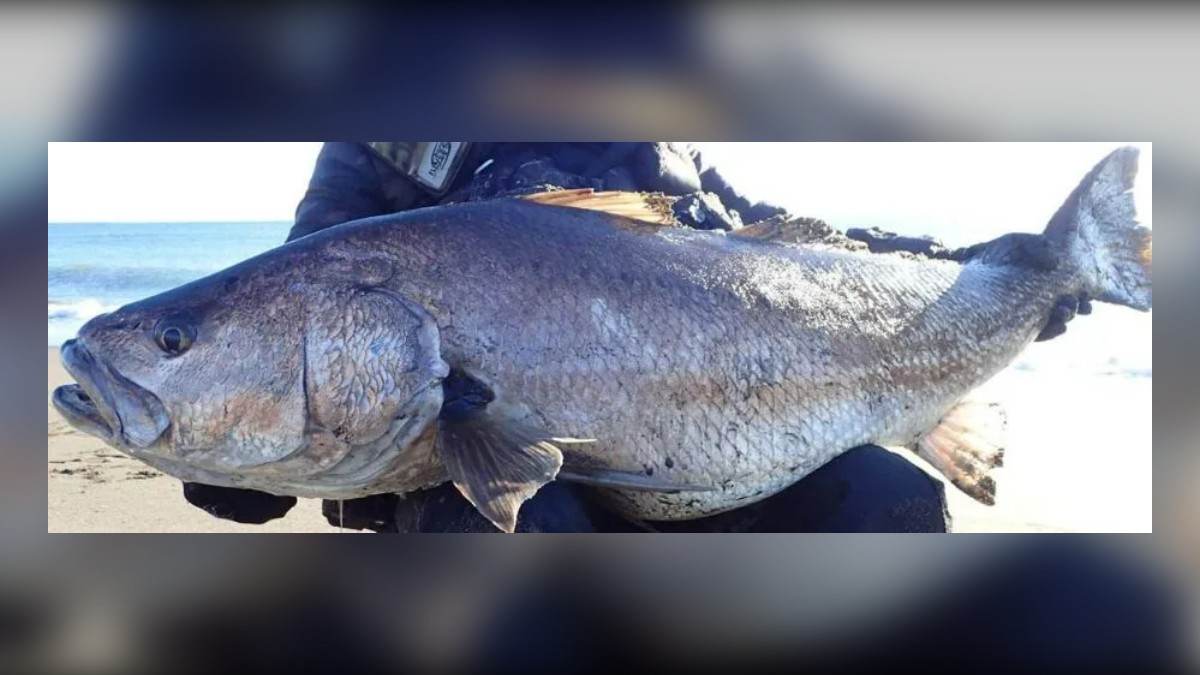
Oonibe (Japanese Meagre) on the Enshu-nada Surf: How to Target Metre-Class Fish in Winter
minagiman
Minagiman's Fishing Adventures in Japan
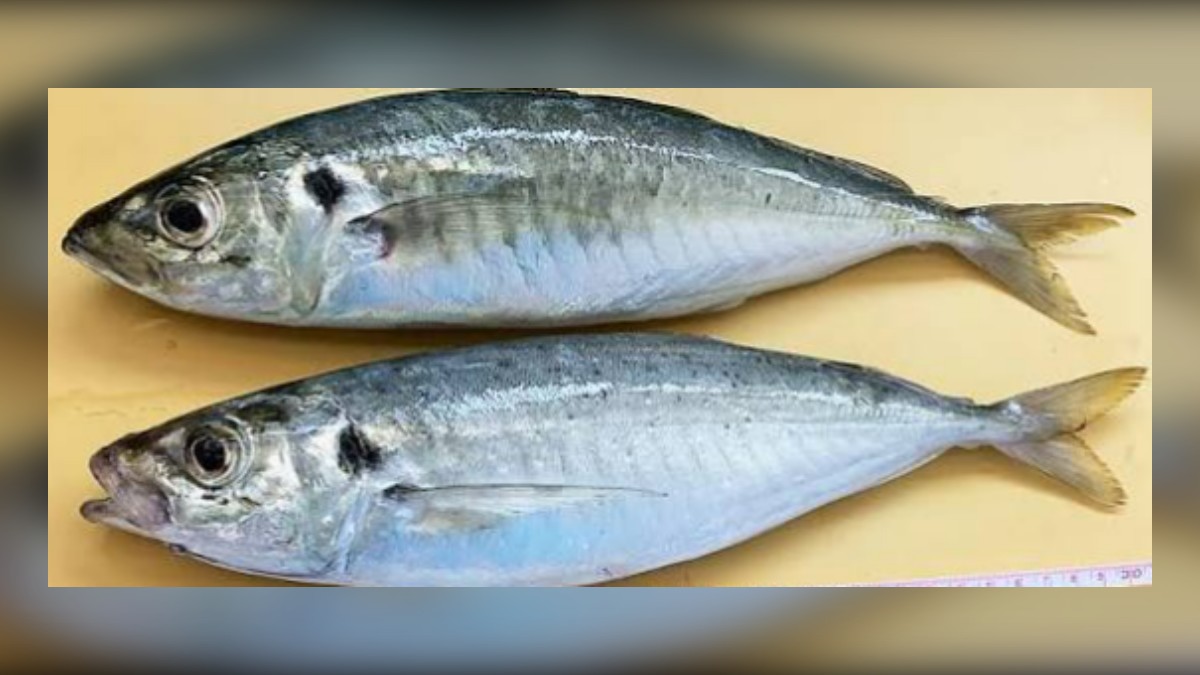
The fish most Japanese anglers mean by “aji” is maaji, the Japanese horse mackerel (Trachurus japonicus). Found along coasts all over Japan, it can be caught from piers, beaches and boats. It is strongly migratory, moving in large schools and feeding on small fish and plankton.
These three are often confused:
A key feature is the zengo (scutes) — hard, spiky scales along the side. In maaji and maruaji they run clearly along the lateral line; in muroaji they are less obvious.
Aji come inshore following plankton and small fish attracted to lights at night — which is why pier and beach lights are the classic ajing spots. They also hold on current lines, along pier walls and anywhere with good water movement where bait gathers.
Aji can be caught all year, but spring to early summer, when water temperature stabilises, and autumn, when bait increases, are the best times for numbers. Autumn is a prime ajing season on the Enshu-nada coast too.
Aji have soft, easily torn mouths. Hard hooksets or forcing the fight lead to lost fish. Keep reeling at a steady speed and avoid sudden changes in tension.
The zengo scutes are sharp and can stick into your fingers. Hold the fish firmly from the head end or use a fish grip.
Aji spoil quickly. Ice them as soon as possible and keep them cold. They are superb as sashimi, namero (chopped with miso), aji fry or nanban-zuke (marinated fried fish). As with other oily fish, watch for anisakis parasites — check carefully, or cook or freeze before eating.