Aji (Japanese Horse Mackerel): Maaji, Maruaji and Muroaji — and the “Zengo” Scutes
minagiman
Minagiman's Fishing Adventures in Japan
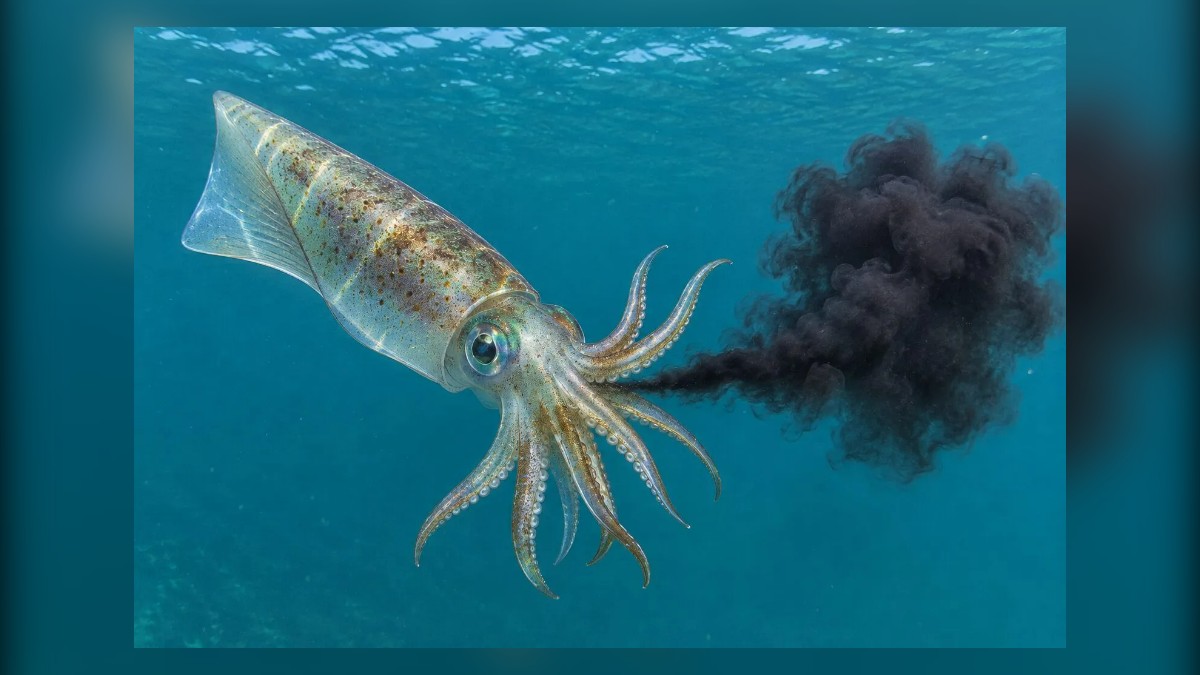
Aori-ika (bigfin reef squid, Sepioteuthis lessoniana) is called the “king of squid” in Japan: delicious, hard-pulling, and catchable on lures (egi). Those three together created a whole genre — eging — with dedicated rods and reels. And few targets reward understanding their biology more, because this squid lives only about one year.
| Item | Detail |
|---|---|
| Japanese name | Aori-ika |
| Local names | Mizu-ika, mo-ika, basho-ika, etc. |
| Max size | Mantle ~40 cm, over 3 kg |
| Lifespan | About 1 year |
| Range | Mainly central Honshu southward |
| Habitat | Weed beds, reefs, around piers, surf |
| Spawning | Spring to early summer, eggs laid in weed beds |
| Best eating | Autumn to winter (big spring squid are good too) |
Hatched in spring to early summer → grows fast in summer → reaches catchable size in autumn → grows large over winter → spawns and dies the next spring. That gives eging two completely different seasons.
| Spring (adult squid) | Autumn (young “shinko”) | |
|---|---|---|
| Target | One-year-olds coming in to spawn | This year’s young |
| Size | 500 g to 3 kg+ | ~100–500 g |
| Numbers | Very few | Many |
| Wariness | Very high | Low |
| Main areas | Weed beds, deeper water | Shallows, pier walls, surf |
| Egi size | Mainly 3.5 | Mainly 2.5–3.0 |
| Difficulty | High | Low |
Because there are no “come back next year bigger” squid, taking too many small autumn squid means fewer adults next spring. Many anglers release squid with a mantle of 15 cm or less.
You rarely need to tell them apart, but they explain why unusually large squid sometimes turn up.
Unlike fish, aori-ika do not “eat” the egi — they grab it with their long tentacles and hug it with their arms. So the bite is subtle: slack line suddenly stops, the line moves sideways, or just weight. And they grab it on the fall. Jerks make the squid notice the egi; the fall makes it hug. Understand that, and long pauses after jerking make sense. Softer rods give a more stable fall and fewer lost squid.
| Autumn (young) | Spring (adults) | |
|---|---|---|
| Rod | 8.0–8.6 ft | 8.6–9.0 ft |
| Reel | 2500 | 2500–3000 |
| PE | 0.5–0.6 | 0.6–0.8 |
| Leader | Fluoro 1.75–2.0 | Fluoro 2.0–2.5 |
| Egi | 2.5–3.0 | 3.5 |
For one setup for both seasons: 8.6 ft, PE 0.6 and an egi-3.5-rated rod. Eging from beaches is another option — fewer people and good-sized squid.
Aori-ika is considered in a class of its own: thick, sweet flesh with a unique sticky texture as sashimi.