How to Read Depth and Structure With the Countdown: Sink Rate, PE Line Colours and Finding the Break
minagiman
Minagiman's Fishing Adventures in Japan

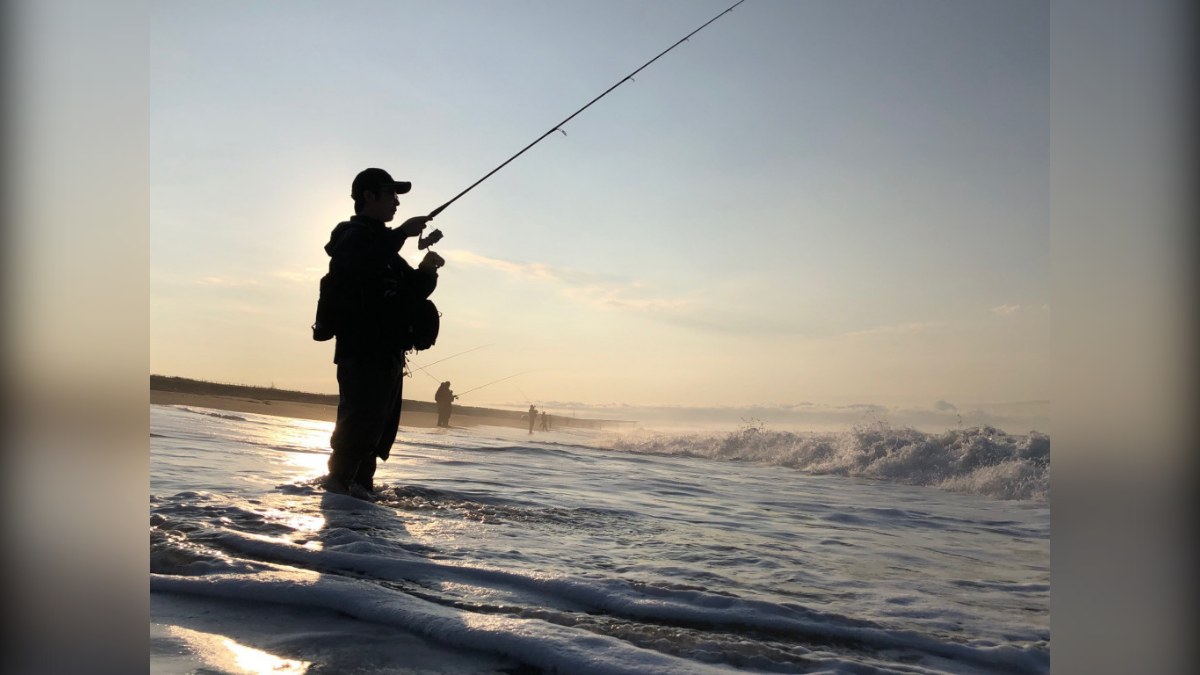
Hokkaido is Japan’s wild north, and for anglers it feels like a different country. Salmon run up its rivers in autumn, sea-run trout cruise the beaches in spring, native trout and the legendary itou live in its rivers and lakes, and in winter whole families sit on frozen lakes fishing for tiny wakasagi smelt.
I am Minagiman, a Japanese angler who fished the Enshu-nada surf in Shizuoka for years and now lives on the Gold Coast in Australia. Hokkaido is not my home water, so this guide is built from the Hokkaido Government’s fishing rules page, the Japan Fisheries Agency’s guidance for foreign visitors, local tourism sites and other published sources. The most important thing to know before you go is that Hokkaido’s salmon and trout rules are much stricter than most visitors expect.
This is the rule that surprises most visitors. In Hokkaido, catching salmon and trout in inland waters, including rivers, is prohibited. This covers chum salmon (sake), pink salmon (karafuto-masu) and sea-run cherry salmon (sakura-masu). The ban is based on national fisheries resource protection law and Hokkaido’s own rules, and published guides note that it applies to catch and release as well.
So if you picture yourself casting for salmon in a beautiful Hokkaido river, think again. Unless you are on a designated survey river with a permit, it is illegal.
There is a small exception. On some rivers, the Hokkaido Government allows salmon fishing for a limited period and section as part of an “effective use survey”, and you must apply for a permit in advance. According to Ishikari’s official tourism site, the Hamamasu River in Ishikari is one of only two such rivers in Hokkaido, with fishing in September and October by pre-registration through the local tourism association. The other is the Churui River in the Shibetsu area of eastern Hokkaido, which is run by a local committee, with applications usually opening in early summer.
Places are limited and the procedures are in Japanese, so if you want to try, ask your hotel or a local guide to help you apply well in advance.
In the sea, salmon and trout can be fished from the shore, but not near the mouths of many rivers. Around rivers where salmon or trout are enhanced by hatcheries, angling is banned in a zone around the river mouth during the run. Each river has its own zone and dates. For example, published notes for one river mouth in southern Hokkaido describe a closure from 1 April to 31 August for cherry salmon, covering 500 m along both banks and 500 m offshore. The Hokkaido Government’s 2026 update lists closures such as the Mabetsu River zone from 1 August to 10 December and the Hamamasu River mouth from 5 September to 12 October.
Signs are usually posted at the beach, but you should check the official rule booklet for the area you plan to fish. Penalties for breaking these rules are severe.
From 1 September 2026, a new rule on the Abashiri, Shari and Koshimizu coasts on the Okhotsk Sea limits each angler to 3 autumn salmon per day and a maximum of 3 rods, according to the Hokkaido Shimbun newspaper. Two river mouths in Shari were also closed. It is the first rule of its kind in Japan, and more areas may follow, so always check the current year’s rules.
Yamame is the river-resident form of cherry salmon. Unlike sea-run salmon and trout, yamame can be fished in many rivers, but there is a closed season that depends on the region. A long-standing split, which you should confirm against the current year’s booklet, is:
| Region (subprefecture) | Yamame closed season |
|---|---|
| Kamikawa, Sorachi, Ishikari, Shiribeshi, Hiyama, Oshima, Iburi | 1 April to 31 May |
| Hidaka, Tokachi, Kushiro, Nemuro, Okhotsk, Soya, Rumoi | 1 May to 30 June |
The itou (Sakhalin taimen) is Japan’s largest freshwater fish and lives only in Hokkaido within Japan. It is listed as endangered, and anglers are strongly urged to release it. Some waters have their own rules, such as Lake Shumarinai, which has catch-and-release, minimum-size and gear rules. If you are lucky enough to hook an itou, handle it carefully in the water and let it go.
Many Hokkaido lakes and some rivers have their own seasons, tickets and catch-and-release sections. For example, Lake Akan in eastern Hokkaido has a season from 1 May to 30 November, requires a licence from the local fisheries cooperative, and has a catch-and-release-only section on the Akan River below the lake with no bait and small barbless hooks. Lake Kussharo in Teshikaga enforces strict catch-and-release. Check the rules for each water before you fish, because there is no single Hokkaido-wide ticket.
For the general rules that apply to visitors anywhere in Japan, see my guide Do You Need a Fishing License in Japan?.
| Target | Where | Main season |
|---|---|---|
| Pink salmon (karafuto-masu) | Shore, mainly eastern and northern coasts | August to September |
| Chum salmon (sake, also called aki-aji) | Shore | September to November |
| Sea-run cherry salmon (sakura-masu) from shore | Beaches such as the Kumaishi coast in southern Hokkaido | Winter to spring, peaking around March to May |
| Amemasu (sea-run white-spotted char) | Surf, e.g. near Shimamaki | Winter, around December to March |
| Native trout (yamame, iwana) and rainbow trout | Rivers and lakes outside closures | Spring to autumn |
| Itou | Selected rivers and lakes, catch and release | Spring and autumn are popular |
| Rockfish, ainame (greenling) | Boat and ports, e.g. off Shakotan | Spring to autumn |
| Squid | Boat, e.g. Hakodate | Summer to autumn |
| Wakasagi (pond smelt) | Frozen lakes | Roughly January to March |
Autumn shore salmon fishing is a huge event in Hokkaido. Anglers line the beaches with long rods, using heavy spoons or float rigs with a lure or bait. It can be crowded, so arrive early and respect the people around you. Remember the river-mouth closures, and do not fish inside the zones even if others seem to be.
Sea-run cherry salmon fishing from the shore, called umi-sakura (sea sakura), is a prized spring fishery on the Japan Sea side of southern Hokkaido. Anglers cast metal jigs and minnows from the surf, and fish of around 4 kg are possible. As a surf angler myself, this is the Hokkaido fishery I would most like to try. My guide to shore jigging covers the basic casting tackle.
If you visit Hokkaido in winter, wakasagi ice fishing is a fun, family-friendly activity that needs no experience. Anglers drill a hole in the lake ice, drop a tiny multi-hook rig, and jig for small pond smelt, which are often fried as tempura on the spot.
Popular lakes include:
Many sites rent rods and tents, and tours can be booked online. The season depends on the ice, so ice fishing can be cancelled in warm spells. Dress for serious cold: insulated boots, gloves and layers.
Brown bears (higuma) live across Hokkaido, and salmon rivers attract them in autumn. The Hokkaido Government’s official advice includes:
The national parks guidance adds that bears are active from about March to November, that you cannot take bear spray on a plane (buy or rent it after you land), and that if you meet a bear you should back away slowly and never run. In Shiretoko, rules also say to keep your catch away from bears and, if a bear takes it, to let it go.
Hokkaido water is cold, even in summer. Hokkaido Police and the Japan Coast Guard both advise wearing a life jacket, including when fishing from the shore, and staying off the water in bad weather. Waders and slippery rocks are a deadly mix in strong currents, so wear a wading belt and be careful. In an emergency at sea in Japan, call 118 for the Coast Guard.
If you also plan to fish elsewhere in Japan, my Japan fishing calendar by season shows what to target in each month.
No, except on a small number of permit-only effective use survey rivers such as the Hamamasu River and the Churui River. Salmon and trout fishing in rivers is otherwise prohibited, including catch and release.
From the shore in the sea, outside the river-mouth closure zones, mainly in late summer and autumn. Check the current Hokkaido rule booklet and local signs for the closure zones and any bag limits.
There is no general licence for sea fishing from shore, but many lakes and rivers need a local ticket or licence, and some rivers are permit-only. Check each water.
Yes. Wakasagi ice fishing is one of the most beginner-friendly fishing experiences in Japan, and many sites rent everything you need.
Hokkaido offers fishing you cannot find anywhere else in Japan: autumn salmon from the beach, spring sakura-masu in the surf, native trout and itou in wild rivers, and winter ice fishing for wakasagi. The key to enjoying it is understanding the rules. Do not fish for salmon or trout in rivers unless you have a survey-river permit, stay out of the river-mouth closure zones, check the current year’s booklet and local tickets, release itou, and take bears and cold water seriously. Hire a guide or join a tour if you can, and Hokkaido could be the highlight of your fishing trip to Japan.