Aori-ika (Bigfin Reef Squid): A One-Year Life and Two Eging Seasons
minagiman
Minagiman's Fishing Adventures in Japan
Fish in Japan for a day and you will hear a whole new vocabulary at the tackle shop, on the pier and on the party boat. Aji, saba, hirame, inada, aori-ika. Japanese anglers rarely use English names, and some fish change their name as they grow, so even a translation app will not always help.
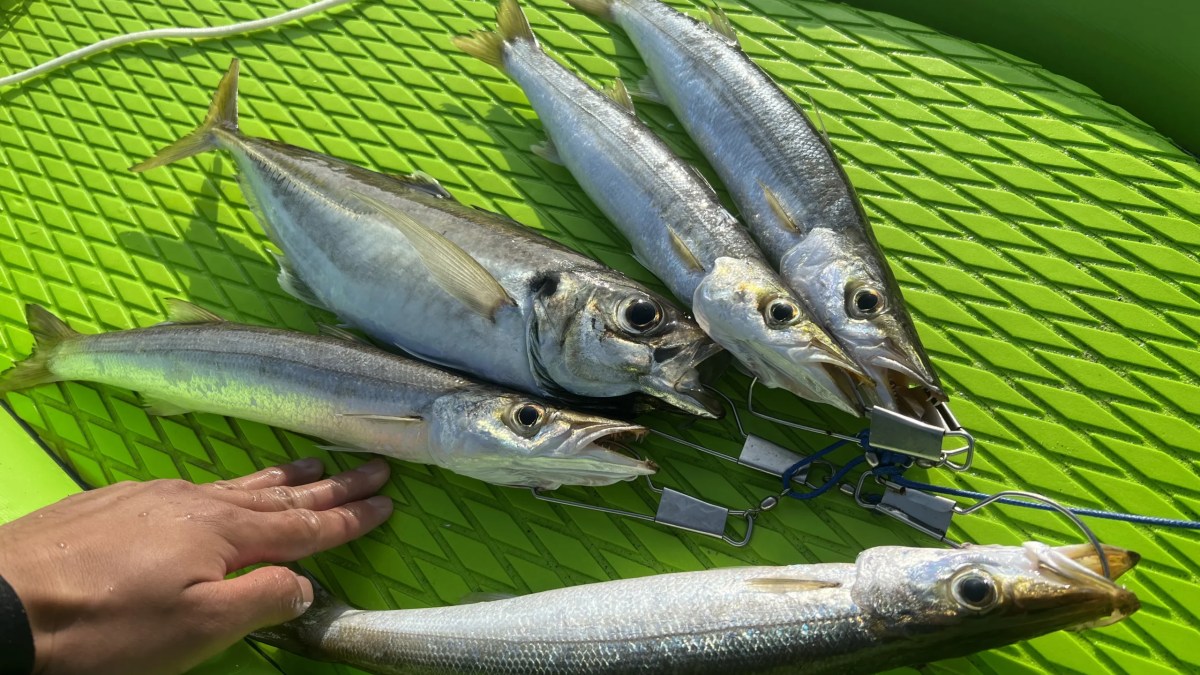
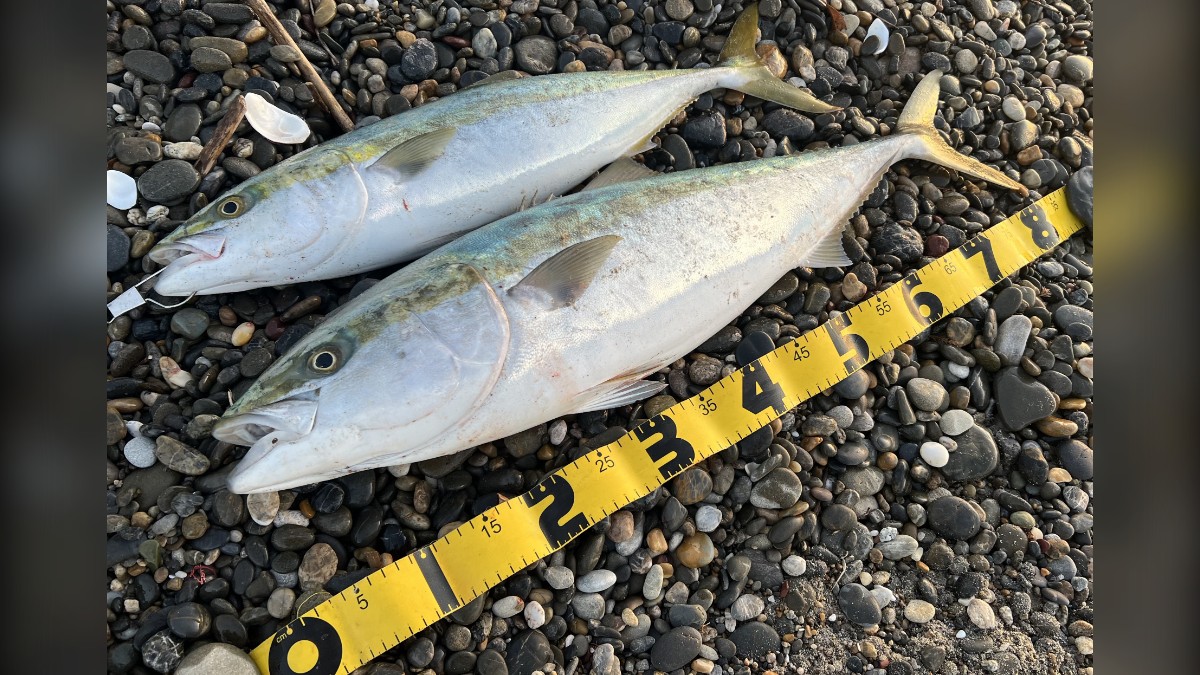
This is the glossary I wish I could hand every visiting angler. I fished the Enshu-nada surf in Shizuoka for years, and the young yellowtail in the photo above are from one of my own beach sessions. Below are the names you are most likely to hear, grouped by type, with English names and short notes. Where I have written a full guide for a species, I have linked it.
| Japanese | English | Notes |
|---|---|---|
| Buri | Japanese yellowtail (adult) | Seriola quinqueradiata; the big target of autumn and winter |
| Inada / Warasa / Wakashi | Young yellowtail | Growth names, see the table below |
| Hiramasa | Yellowtail amberjack | Looks like buri but longer-bodied; a rocky-shore prize |
| Kanpachi | Greater amberjack | Darker band through the eye |
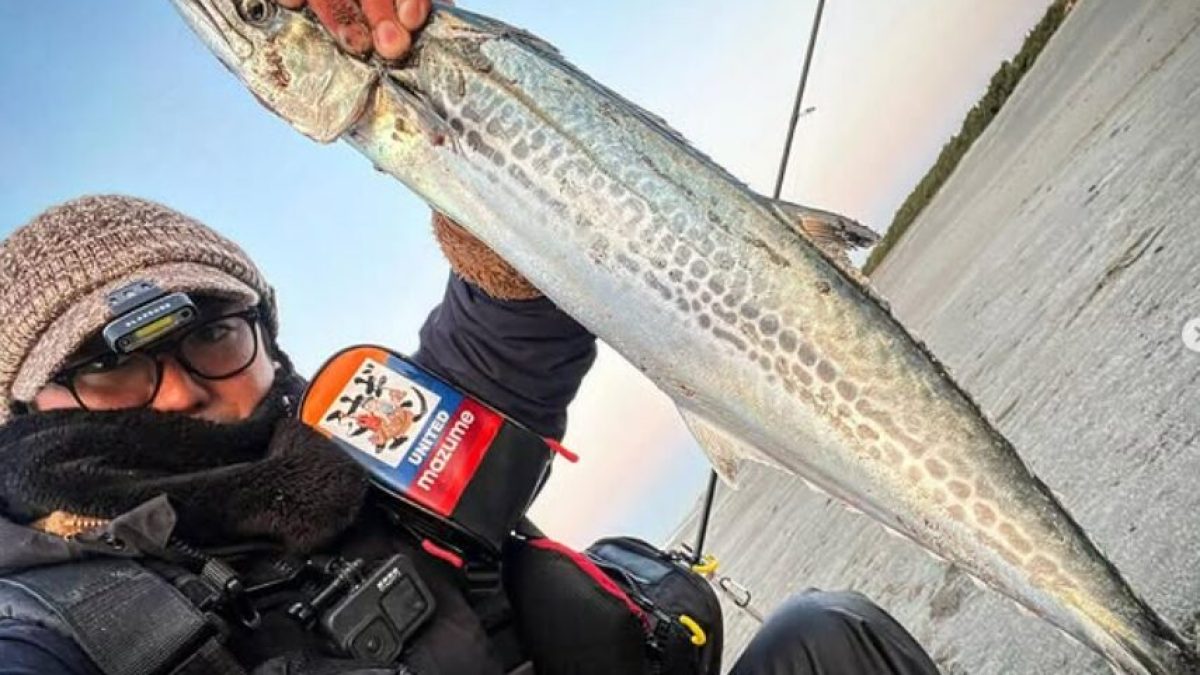
| Sawara / Sagoshi | Japanese Spanish mackerel | Sagoshi is the small size; sharp teeth cut leaders |
| Katsuo | Skipjack tuna (bonito) | Summer and autumn offshore |
| Suma / Suma-gatsuo | Kawakawa (mackerel tuna) | Often mixed with bonito on the surf |
| Shiira | Mahi mahi | Around floating debris in summer |
| Saba (Masaba, Gomasaba) | Mackerel (chub mackerel, blue mackerel) | Abundant from piers |
| Aji (Maaji) | Japanese horse mackerel (jack mackerel) | The light-game favourite |
| Iwashi (Maiwashi) | Sardine | Key baitfish |
| Konoshiro / Kohada | Dotted gizzard shad | Baitfish that brings big predators in |
| Tachiuo | Largehead hairtail (ribbonfish) | Autumn pier and surf fish, sharp teeth |
| Kamasu | Barracuda (Japanese barracuda) | Autumn schools in the surf |
More detail: yellowtail from the beach, sawara and sagoshi, aji species, tachiuo and kamasu.
Japanese culture treats some fish like employees getting promoted: they get a new name at each size. These are called shusse-uo. The sizes are rough and people argue about them, but this is what you will hear.
| Rough size | Kanto (Tokyo side) | Kansai (Osaka side) |
|---|---|---|
| Small, up to about 30-35 cm | Wakashi | Tsubasu |
| About 35-60 cm | Inada | Hamachi |
| About 60-80 cm | Warasa | Mejiro |
| 80 cm and up | Buri | Buri |
Hamachi is also the name most overseas sushi menus use for farmed yellowtail.
| Rough size | Kanto | Kansai |
|---|---|---|
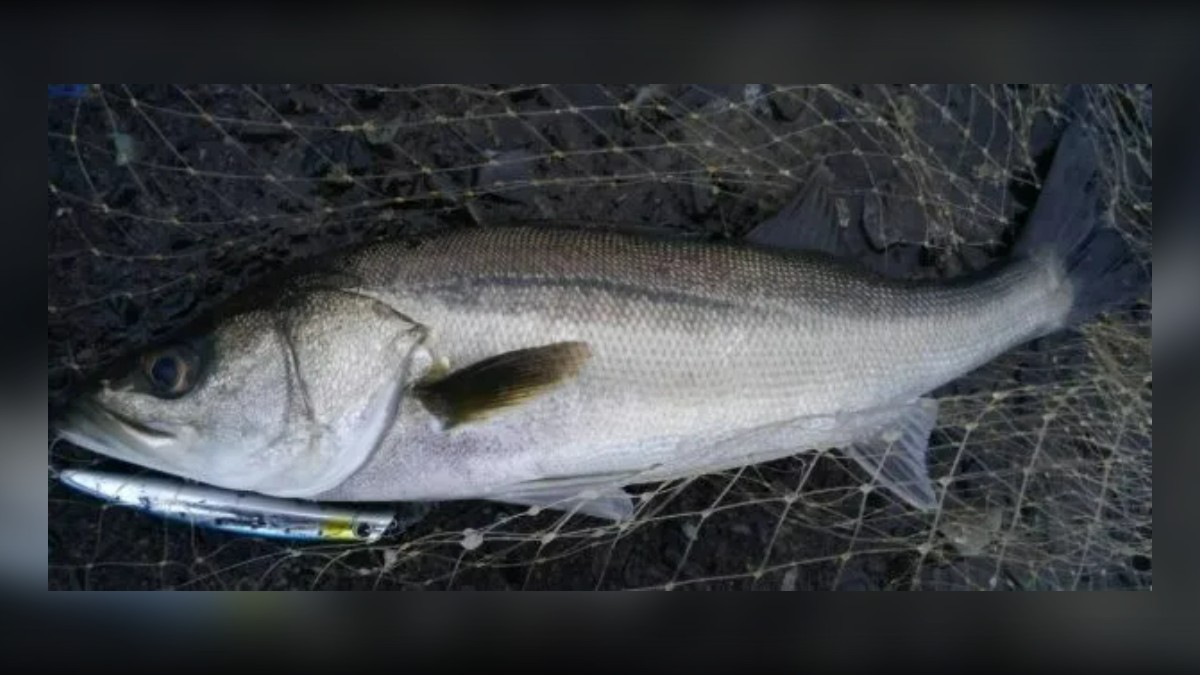
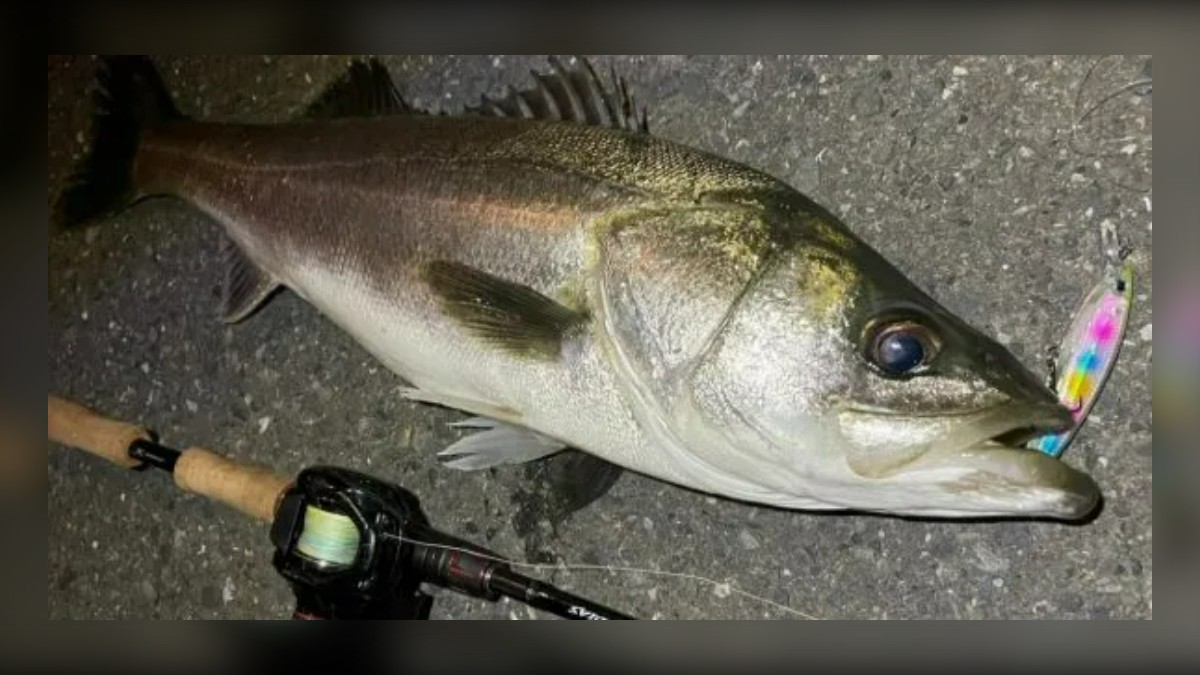
| Up to about 30 cm | Seigo | Seigo |
| About 30-60 cm | Fukko | Hane |
| 60 cm and up | Suzuki | Suzuki |
Anglers simply say “seabass” most of the time. See my Japanese seabass guide.
Sagoshi (up to about 40 cm), nagi in some regions (about 40-60 cm), then sawara (60 cm and up).
Small shad are sold as shinko and kohada for sushi; the adult is konoshiro. Big schools of konoshiro in autumn are a famous trigger for lunker seabass and yellowtail.
| Japanese | English | Notes |
|---|---|---|
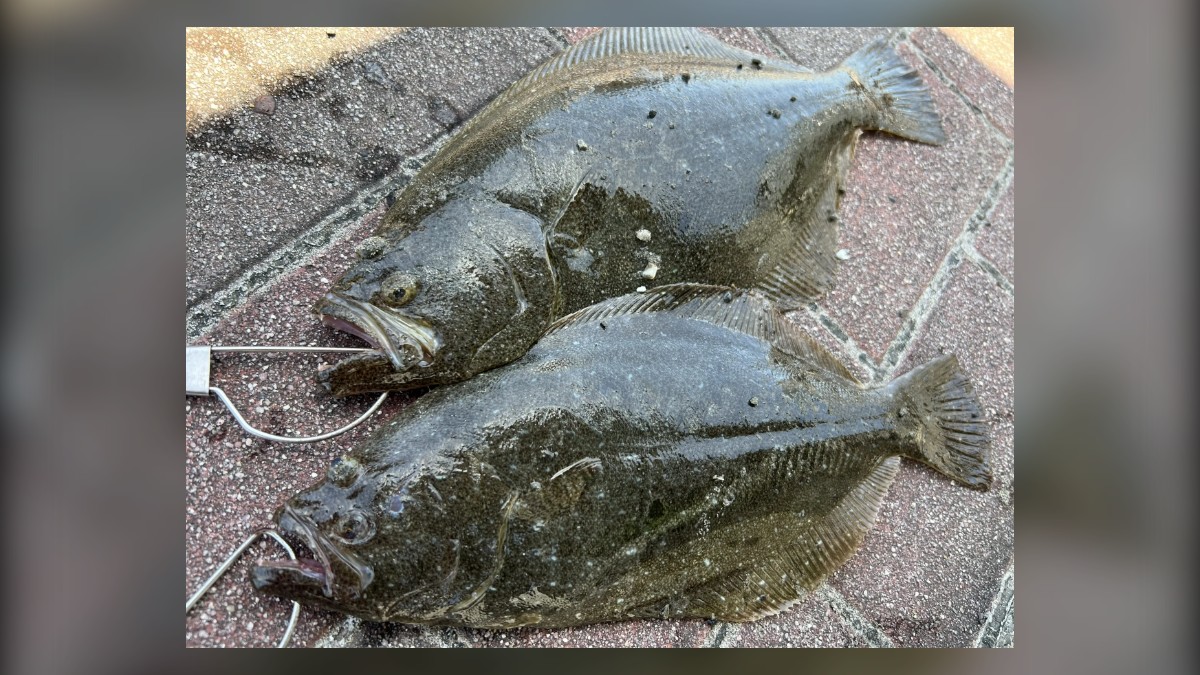
| Hirame | Olive flounder (Japanese flounder) | Paralichthys olivaceus; big ones are called zabuton (“floor cushion”), small ones soge |
| Karei | Righteye flounders (various) | Generic word for many flounder species |
| Magochi | Flathead (bartail flathead) | The summer surf fish; often just “kochi” |
| Kisu | Japanese whiting (sand borer) | Classic surf-casting bait target |
| Kasago | Marbled rockfish (scorpionfish) | Rock and harbour wall fish, spiny fins |
| Mebaru | Japanese rockfish (sea perch) | Night light-game target; “mebaring” is fishing for them |
| Soi / Kurosoi | Black rockfish | Common in northern Japan |
| Ainame | Greenling | Rocky areas |
| Kawahagi | Filefish | Expert bait thief; prized liver in autumn |
| Haze | Goby | Easy summer and autumn fish in bays and rivers |
| Anago | Conger eel | Night bait fish |
| Oonibe | Japanese meagre | Big croaker that can reach a metre on the surf |
A Japanese saying separates the two flatfish: “hidari hirame, migi karei” – lay the fish eyes up with its belly towards you, and a hirame’s head points left while most karei point right. Guides: hirame, magochi, kawahagi.
| Japanese | English | Notes |
|---|---|---|
| Madai | Red seabream | The celebration fish of Japan |
| Kurodai / Chinu | Black seabream (black porgy) | Chinu is the common name in western Japan |
| Kibire | Yellowfin seabream | Estuaries, especially in the west |
| Mejina | Largescale blackfish | Rock-shore float fishing target |
| Ishidai | Striped beakfish (barred knifejaw) | A rock-shore trophy |
| Isaki | Chicken grunt | Summer night fish |
| Kue | Longtooth grouper | Rare and highly prized |
| Akamutsu / Nodoguro | Rosy seabass (blackthroat seaperch) | Deep-water boat target, famous for eating |
Note that “tai” (or -dai in compounds) is a broad word in Japanese. Many fish carry it in their name without being true sea bream.
| Japanese | English | Notes |
|---|---|---|
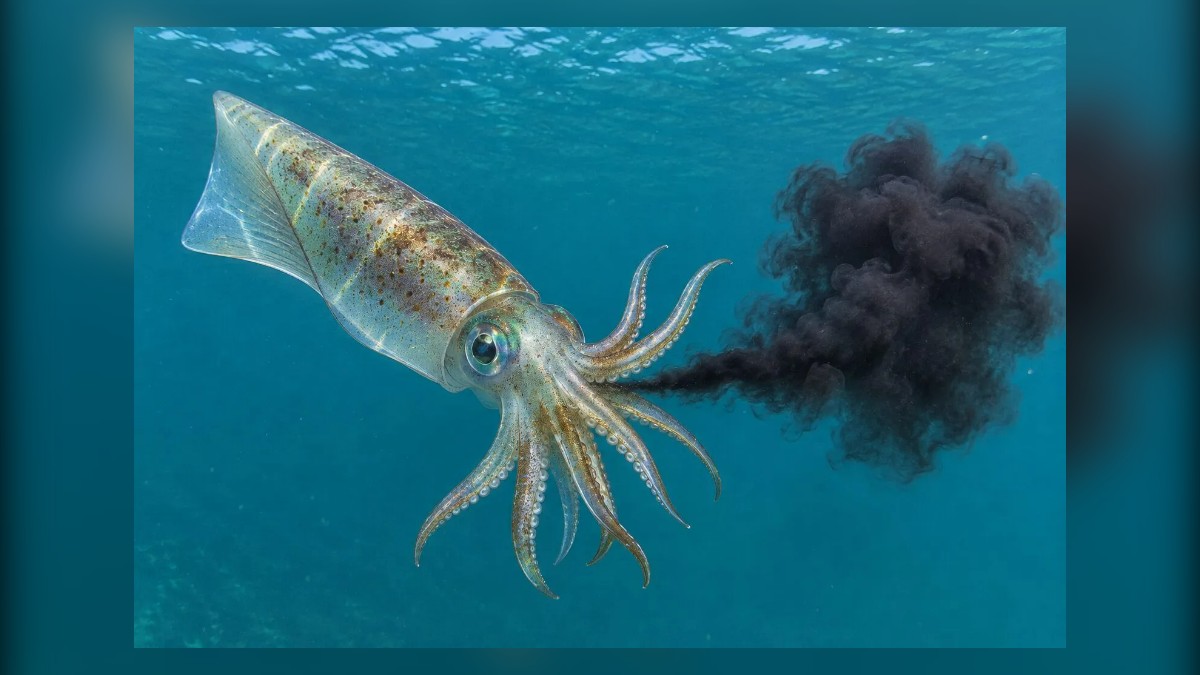
| Aori-ika | Bigfin reef squid | The main eging target; spring and autumn seasons |
| Hiika | Small squid (Loliolus species) | Tiny winter squid caught under harbour lights |
| Kensaki-ika | Swordtip squid | Summer night boat and pier squid in the west |
| Yari-ika | Spear squid | Winter and spring |
| Surume-ika | Japanese flying squid | Mostly a boat and commercial fish |
| Ko-ika / Mongo-ika | Cuttlefish | Has a cuttlebone; ink-heavy |
| Madako | Common octopus | Caught on octopus jigs (tako-egi) from piers and boats |
Eging means fishing with egi, the Japanese shrimp-shaped squid jig. See my aori-ika guide and the hiika eging guide.
| Japanese | English | Notes |
|---|---|---|
| Ayu | Sweetfish | Famous for the decoy “tomozuri” method |
| Yamame | Masu salmon (river form) | Mountain streams |
| Amago | Red-spotted masu (amago trout) | Western Japan streams |
| Iwana | Char | Headwaters |
| Niji-masu | Rainbow trout | Stocked in many rivers and managed ponds |
| Black bass | Largemouth bass | Introduced species; check local rules |
| Koi / Funa | Carp / crucian carp | Lakes, rivers and ponds |
| Wakasagi | Pond smelt | Winter ice fishing |
| Namazu | Catfish | Rivers and lakes |
Tackle shops, party boats and local fishing sites post daily catch reports. Once you know the fish names, the rest is easy to follow. Reports usually list each species with a size range in centimetres and a number of fish, sometimes per angler. A line might read, in romaji, “inada 40-55 cm 3, sagoshi 45 cm 1, hirame 62 cm 1”. Party-boat reports often give the top count of the day, so the numbers you read are the best boat, not the average.
Watch the growth names. A report full of wakashi and seigo means small fish are around, while warasa, buri and suzuki mean the bigger fish have arrived. On the Enshu-nada coast, the first sagoshi and kamasu of autumn are a reliable sign that the pelagic season is starting.
Fish names in reports are usually written in katakana, the Japanese script used for many fish names. If you use a translation app on a report, it may translate a fish name into the wrong English word, so compare it with this glossary.
Two reasons: growth names (shusse-uo) and regional names. Japan is long and fishing culture is local, so a fish can have a Kanto name, a Kansai name and a market name.
Yes, both are Japanese yellowtail. In Kansai, hamachi is the mid-size stage. In sushi restaurants worldwide, hamachi usually means farmed yellowtail.
Both are flatfish. Hirame is the olive flounder, a fish-eating predator with a big mouth and sharp teeth, and the main surf lure target. Karei covers a group of other flounders with eyes on the opposite side and smaller mouths.
Not strictly, but they help a lot. Fishing reports, tackle shop staff and party-boat captains all use the Japanese names, and knowing them makes reading a catch board much easier.