Reading Water Clarity on the Surf: Why Lightly Stained Water Fishes Best, and Which Lure Colours to Use
minagiman
Minagiman's Fishing Adventures in Japan

Japan is a wonderful place to fish from the shore. Piers, harbour walls, rocky points and long sandy beaches are open to anglers all over the country, and you do not need a national license for ordinary rod-and-line sea fishing. But that freedom depends on anglers behaving well. Spots in Japan do get closed to fishing because of rubbish, illegal parking, noise and accidents.
I am Minagiman. I fished the Enshu-nada surf in Shizuoka for years, where a crowded morning on the beach only works because everyone follows the same unwritten rules. This guide explains the written rules (the ones that can get you fined) and the unwritten manners Japanese anglers expect, so that you can fish in Japan with confidence and help keep these places open.
A simple habit helps a lot: when you arrive, look at what the local anglers are doing. Where they stand, where they park, how they deal with chum and rubbish, and which areas they avoid will tell you most of the local rules before you even make your first cast.
Some marine life in Japan is protected by fishing rights held by local fisheries cooperatives, or banned for everyone by law. The most important ones for visitors:
Prefectures also set their own rules on sizes, seasons, gear and areas. If you are unsure, ask at a local tackle shop or check the prefecture’s website.
Japan’s Fisheries Agency publishes guidance for foreign nationals fishing recreationally. From the shore, permitted methods include rod and line, handlines, landing nets and scoop nets, and simple tools for clam digging and tidepool collecting. Gear such as gill nets, traps and longlines is not allowed for recreational fishing. For boat fishing, the Agency recommends using shared fishing charters (party boats). Violations can carry serious penalties, so stick to a rod and reel and you will be fine.
For a full explanation of licenses, fishing rights and freshwater day tickets, read Do you need a fishing license in Japan?
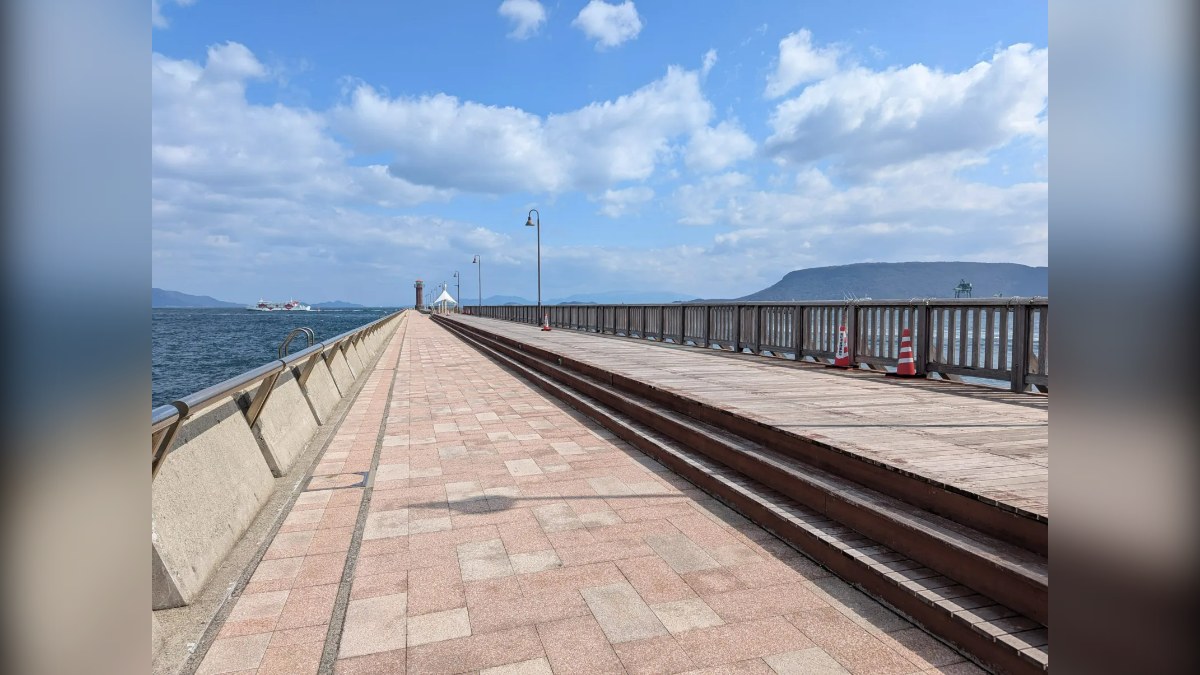
Many fishing ports and commercial harbours in Japan restrict or ban fishing, especially near working boats, fish markets, ferry terminals and industrial facilities. The Fisheries Agency asks visitors not to enter restricted areas in fishing ports and not to approach set nets, fishing gear or other fishing facilities.
Look for signs. A no-fishing sign in Japan usually shows a fishing rod or angler symbol with a red cross. A “no entry” sign or a fence means stay out, even if you see local anglers on the other side. Those places are often closed because waves, currents or falls are dangerous.
Rubbish is one of the biggest reasons piers get closed. Take everything home: bait packets, line offcuts, cigarette butts, drink bottles and food. Bins are rare in Japan, so bring a bag for your rubbish. If you use chum (makie), wash down the area where you were fishing before you leave; many local anglers carry a rope bucket for this.
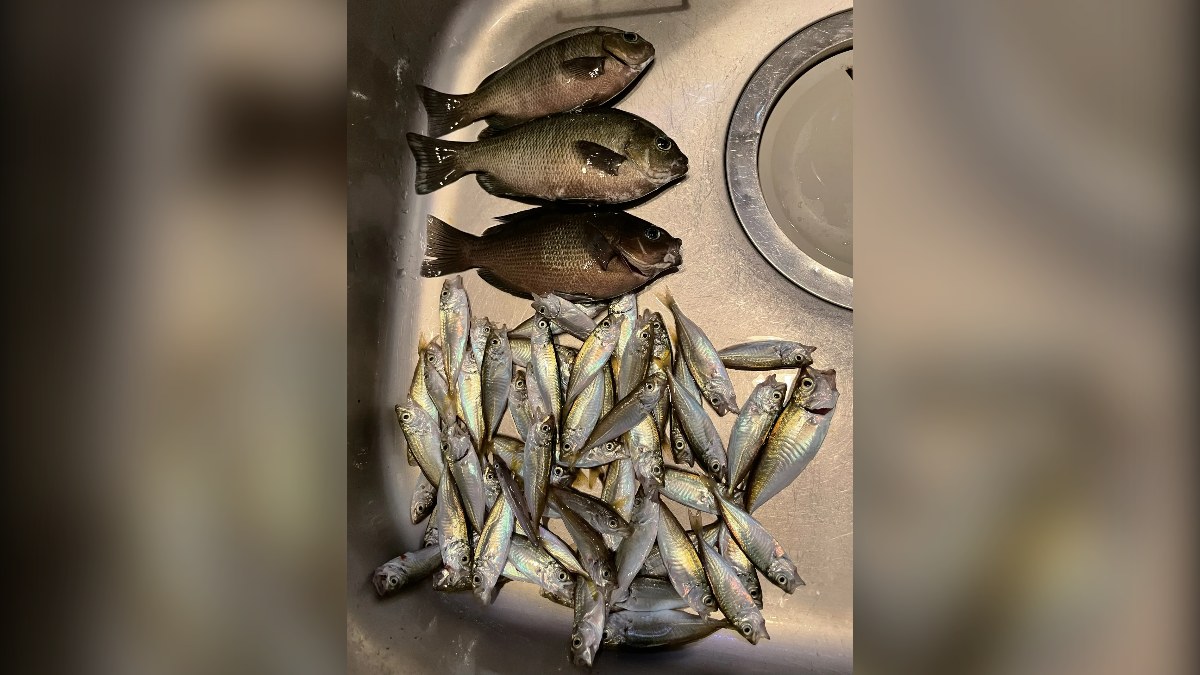
Release small fish quickly and gently, keep only what you will eat, and never leave unwanted fish on the pier or in a puddle. Dead fish attract birds and insects and annoy local residents. If you are keeping fish, look after them properly; my guide to ikejime and bleeding fish shows how Japanese anglers do it.
On a crowded pier, keep a safe distance from the next angler; one Japanese guide suggests at least 5 to 10 metres. If the spot next to someone is the only one left, a quick greeting and a gesture to ask “OK?” is polite. Do not cast across other people’s lines, and look behind you before every cast. A hook in someone’s ear is the fastest way to ruin a morning.
If someone has left a cooler, bucket or rod rest at a spot, it is usually taken, even if they have stepped away. Japanese anglers often arrive before dawn to claim a place, and that is respected.
Many piers and harbours are next to houses. Avoid loud voices, music, slamming car doors and running engines, especially early in the morning and late at night.
Bad parking is a common cause of complaints and closures. Use designated car parks, even if they charge a fee. Never block fishing port roads, boat ramps, gates, or the entrances to houses and businesses; port roads are workplaces for fishermen loading boats.
Taps, hoses, ice machines and equipment at ports usually belong to the fishing cooperative or a business. Ask before using them.
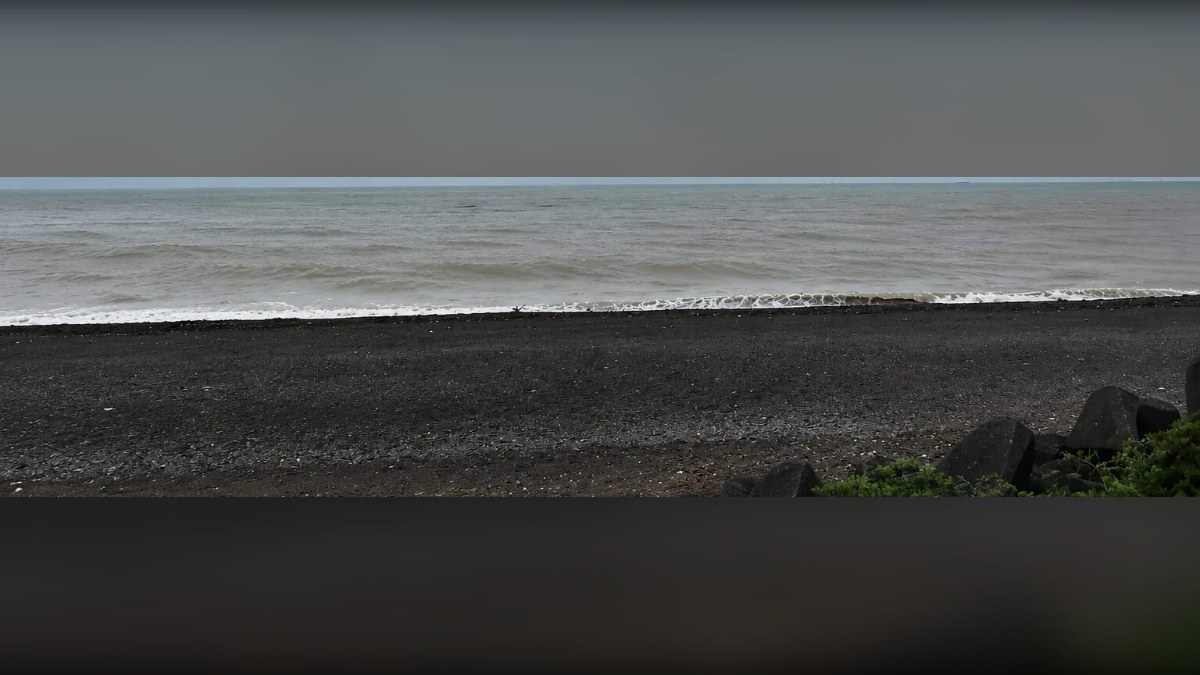
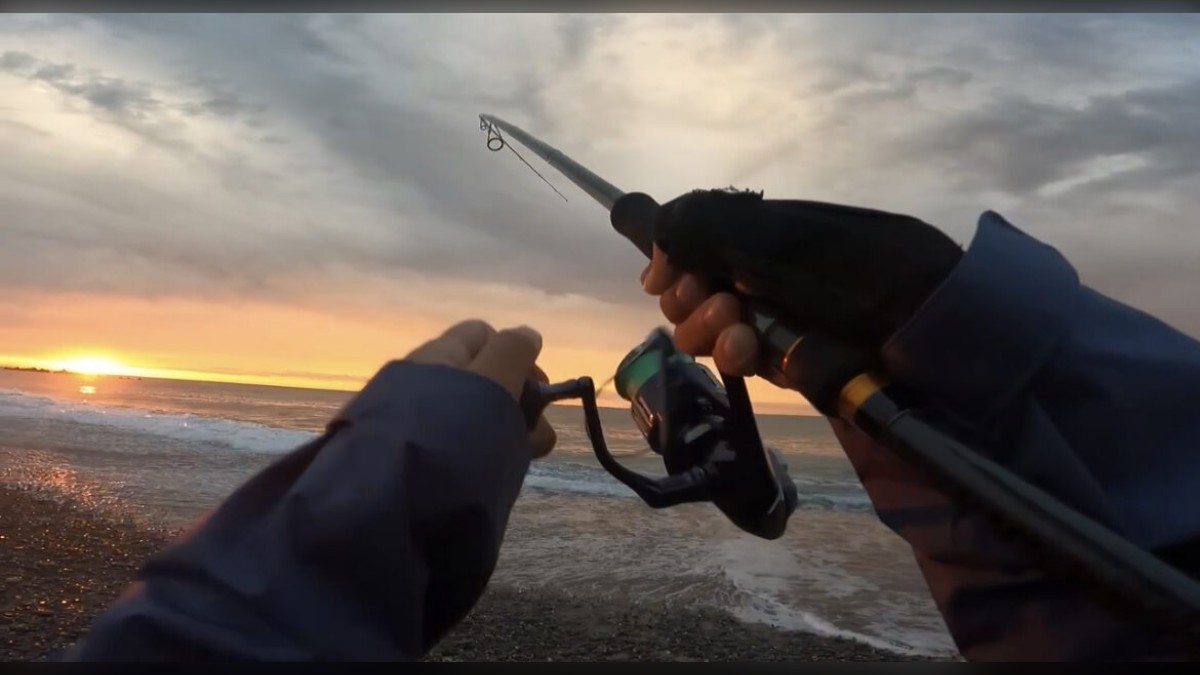
Surf fishing has its own manners. On popular Japanese surf beaches, anglers often stand in a line along the shoreline in the early morning.
Managed fishing parks (tsuri koen) and shared party boats (noriai-sen) have their own written rules. Typical rules include limits on the number of rods, bans on certain rigs or lures, and set opening hours. Staff are there to help, so read the signs at the entrance and follow their instructions. On a party boat, listen to the captain’s signals for when to drop and reel in, and use the sinker weight the boat specifies to avoid tangles. My party boat guide covers boat etiquette in more detail.
| Do | Do not |
|---|---|
| Take all rubbish and line home | Leave bait packs, line or fish on the pier |
| Wash away chum before leaving | Fish in signposted no-fishing areas |
| Keep 5 to 10 m from other anglers | Cast across other people’s lines |
| Use proper car parks | Park on port roads or block gates |
| Wear a life jacket | Climb tetrapods or fences |
| Release small fish quickly | Take abalone, sea cucumber, lobster or shellfish |
| Keep noise down at night and early morning | Use port taps or equipment without asking |
No. Many ports and harbours restrict fishing, swimming beaches may have their own rules, and some species are protected by fishing rights. Use public fishing parks, clearly open piers and beaches, or a party boat.
Often not. In many areas shellfish, seaweed, octopus and lobster are covered by fishing rights, and abalone and sea cucumber are banned everywhere. Some areas have designated places where clam digging is allowed. If you are unsure, do not take it.
Penalties for poaching protected species can be very large and apply to tourists as well as residents. Smaller problems may only get you a warning, but bad behaviour by anglers is how fishing spots get closed for everyone.
Fishing in Japan works on trust. Most piers and beaches are open without a license, and keeping them open depends on every angler following a few simple rules: take your rubbish home, respect no-fishing signs and fishing rights, give other anglers space, park properly and wear a life jacket. Follow those, greet the locals, and you will be welcome on any pier in Japan.