How to Customize the DUEL Monster Shot
minagiman
Minagiman's Fishing Adventures in Japan
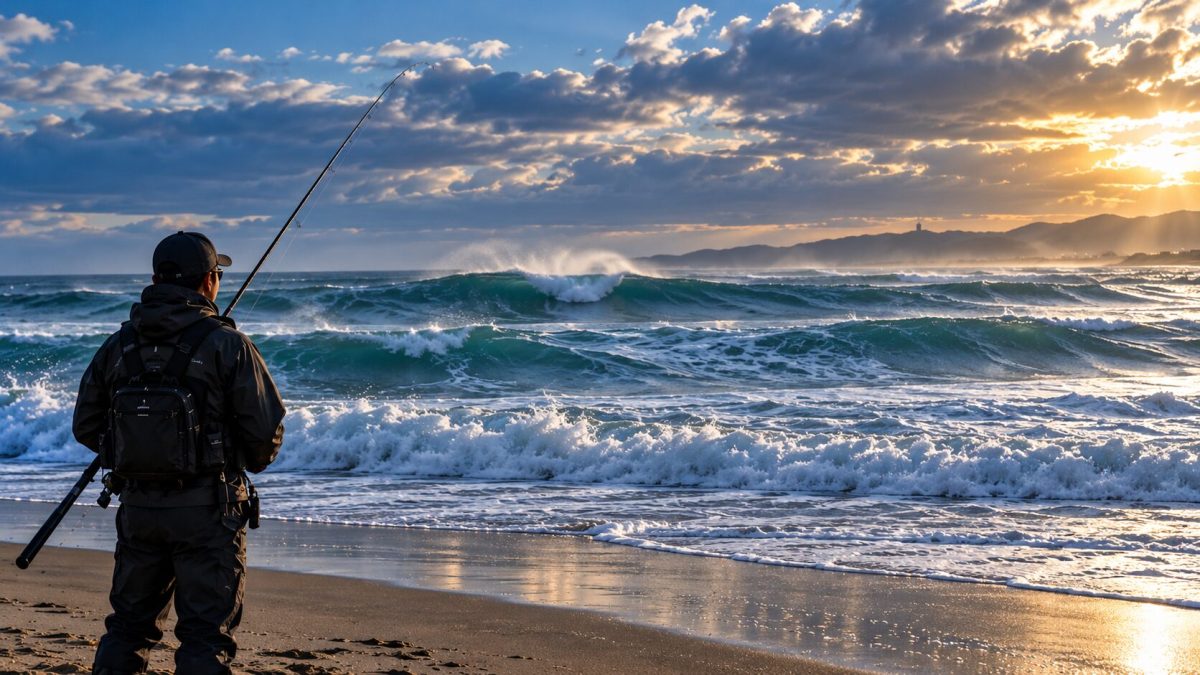
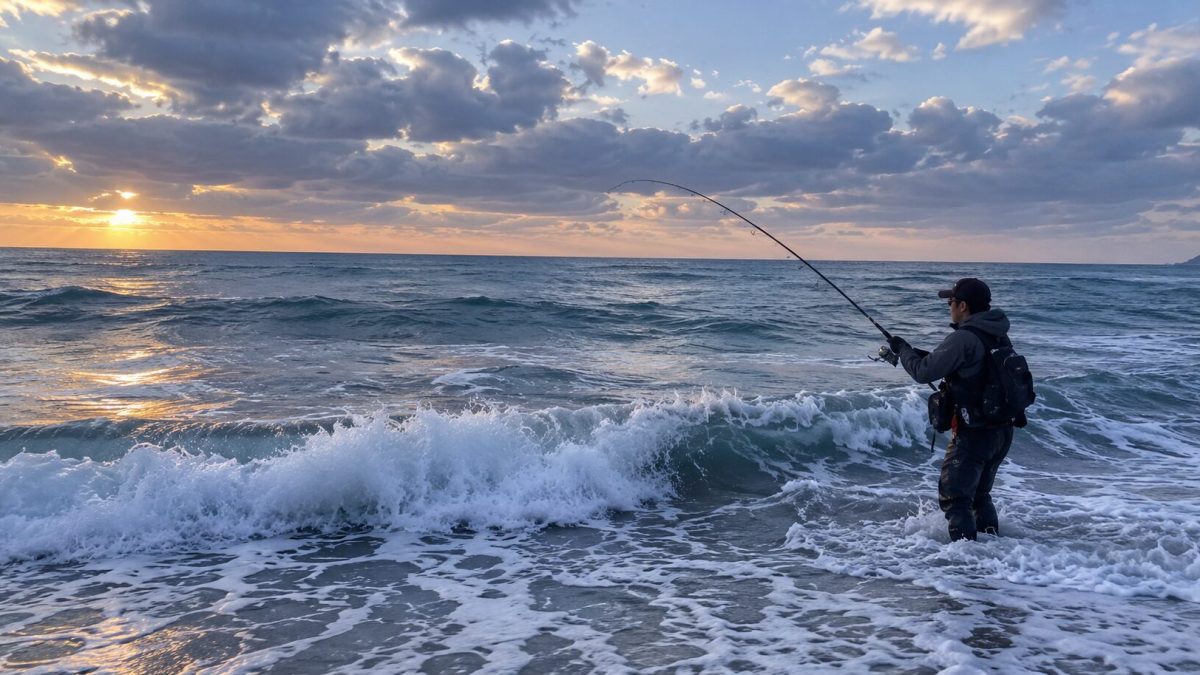
Most bad days on a beach are decided the night before, by misreading a forecast. You drive an hour, the swell is too big to fish, or the water is chocolate brown, or the wind makes the lure impossible to control. This is the order I check things in, and the lines I use to decide go or stay home.
When the factors disagree, this is how I rank them:
| Priority | Factor | Why |
|---|---|---|
| 1 | Safety – swell and wave height | If it is dangerous, nothing else matters |
| 2 | Water clarity | Too clear or too muddy and the fish will not feed |
| 3 | Tide timing | Matters, but only once the first two are acceptable |
The wave height in a forecast is significant wave height – the average of the highest third of waves. It is not the biggest wave you will see. Waves around 1.5 times that figure are normal, and occasionally one close to double arrives. If the forecast says 1.5 m, plan for 2 m-plus sets. For surf lure fishing, a significant wave height of roughly 0.5 to 1.5 m is the comfortable band.
Period is the time between waves, in seconds, and it tells you how much energy the swell carries. A long-period swell has travelled a long way and hits the beach with far more force than its height suggests.
From about 8 seconds, pay attention – bigger sets start to mix in at the water’s edge. At 11 seconds or more, I do not fish the beach, whatever the height. Long-period swell surges far up the sand, drags hard on the way back and produces the occasional set that catches people standing where they thought they were safe.
Up to about 5 metres per second, wind is manageable – you adjust lure weight and carry on. Above that, you start losing control: the line bows, you cannot feel the bottom, and light lures stop working properly.
Direction matters as much as speed:
This is why the same wind can be good on one beach and terrible on another. A north-westerly winter wind, for example, is onshore on some coasts and offshore on east-facing ones – which is why some Japanese beaches fish best in the depths of winter.
| Colour | Verdict |
|---|---|
| Gin clear | Fish can see the line and the lure too well. Difficult, especially in daylight |
| Slightly stained (sasa-nigori) | The best. Fish feel hidden and feed confidently |
| Heavily muddied | Fish cannot find the lure. Often after big swell or heavy rain – give it a day or two |
After a storm or big swell, the water usually needs a day or two to settle from muddy to stained. That second or third day is often the best of the week.
Japanese tide tables label each day with a name based on the moon phase:
| Name | English | Tidal range |
|---|---|---|
| Ōshio (大潮) | Spring tide | Largest |
| Nakashio (中潮) | Medium tide | Medium |
| Koshio (小潮) | Neap tide | Small |
| Nagashio (長潮) | Long tide | Very small, slow |
| Wakashio (若潮) | Young tide | Small, starting to build |
People fixate on the name. What actually matters is simpler: is the water moving at the time I will be fishing? A neap tide with water flowing at dawn beats a spring tide that is sitting still at dawn.
Dawn and dusk are the strongest feeding windows on any beach. The days I circle are the ones where dawn or dusk coincides with moving water.
On Japan’s Pacific coast, the tidal range is roughly 2 metres. On the Japan Sea side, it is around 0.4 metres. Tide timing there barely moves the fish; you read wind, waves, water colour and river flow instead.
| Question | Stay home if… |
|---|---|
| Swell period? | 11 seconds or more |
| Wave height? | Too big to stand at the water’s edge safely – remember sets exceed the forecast |
| Wind? | Over about 5 m/s, especially onshore or cross |
| Water colour? | Heavily muddied (give it a day) |
| Tide? | Not a reason to stay home on its own – but pick the session when water is moving at dawn or dusk |