How to Read a Surf Beach: Rip Currents, Bars and Where the Fish Actually Are
minagiman
Minagiman's Fishing Adventures in Japan
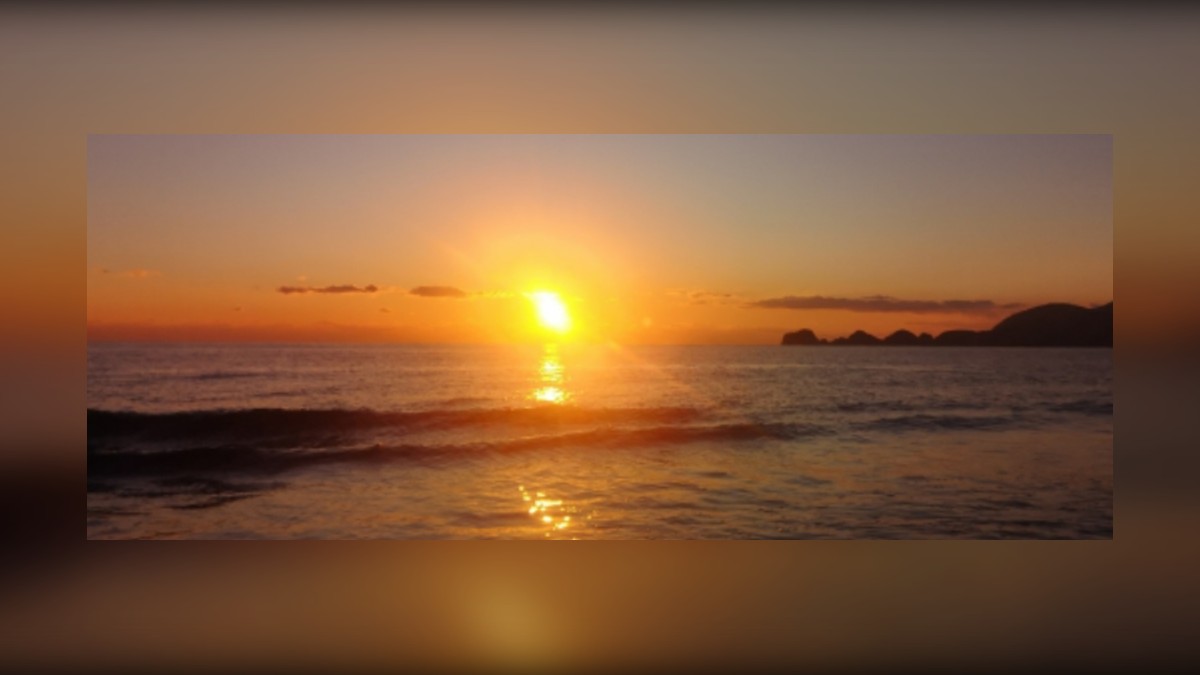
Of everything that decides how a beach session goes, the cheapest thing to improve is how you use your time.
Two anglers can both fish for three hours. What matters is how many casts each of them makes in the best thirty minutes. This is how I build a session around dawn – in Japanese, asa-mazume.
Several things line up at once:
The key point is that none of this lasts long. Once it is fully light, the conditions change. That is why the session is built backwards from sunrise.
Work back from the sunrise time. If sunrise is 6:00:
| Time | What you are doing |
|---|---|
| 4:30 | Arrive. Get ready at the car – leader tied, lure on |
| 5:00 | On the beach. Start casting in the dark while checking where you are standing and what the bottom is doing |
| 5:20-6:30 | The main window. From the first light in the sky to just after sunrise |
| 6:30-7:30 | The second chance. Fish what has been producing more carefully |
| After 7:30 | Move, or call it a day |
Anything that would make you stop fishing during the window gets done beforehand.
The light goes from dark to dim to bright, so your lures follow the same order.
| Time | Situation | Lure thinking |
|---|---|---|
| Still dark | Fish are hunting by sound and vibration | Strong vibration, glow colours. Fish it slowly |
| Sky starting to lighten | The biggest chance of the day | Distance first, cover water. Silver metal jigs |
| Just after sunrise | Bait starts to show | Work the depth where you got bites, carefully. Vary the pace |
| Fully light | Fish get cautious | Natural colours, sinking pencils, soft plastics |
The most common way to waste a dawn is to keep casting where nothing is happening. The window is short; if you do not move during it, you lose the day.
The deciding question is not whether you are bored. It is whether there are signs of bait. How to read those signs is in matching the bait.
| Dawn | Dusk | |
|---|---|---|
| Light | Dark to light | Light to dark |
| Preparation | In the dark – must be done early | Easy to do in daylight |
| How it ends | Gets bright and conditions drop off | Gets dark and can roll straight into night fishing |
| Suits | Yellowtail, flounder | Ribbonfish, seabass |
Dusk has one big advantage: it does not have to end. In autumn you can go straight on into night fishing for ribbonfish and seabass – see ribbonfish (tachiuo).
None of this means you cannot catch fish in the middle of the day.
The real principle is not “dawn is the answer”. It is fish the hours when the conditions line up. How to read those conditions is in tide, wind and swell.
An hour before sunrise. If you have a long walk to your spot, earlier again. The goal is to be already casting while it is still dark.
Yes – but the main reason is to read the day before it gets light. The direction of the current, whether there is bait, and where the snags are. Know those before the window opens and you fish it efficiently from the first minute.
It is the opposite. Dawn is the time of day when conditions are most likely to line up, so if you only have a short window, this is exactly where to put it.