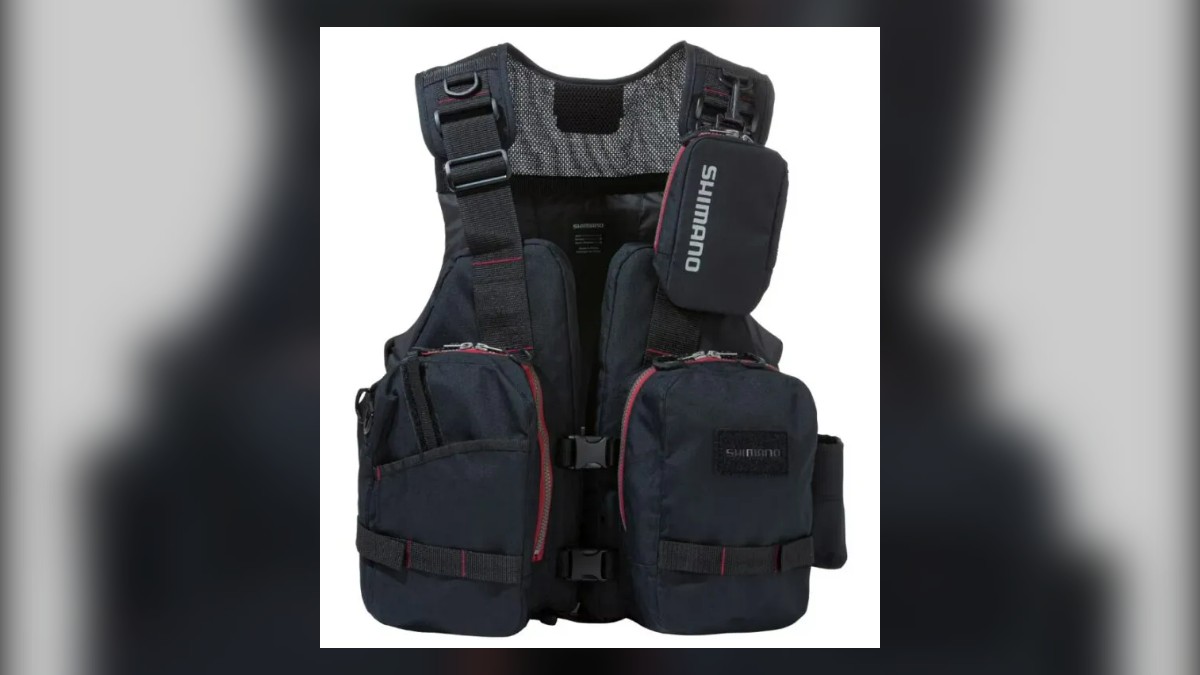
Shimano Game Vest VF-278Z: Carry Your Lures on Your Hips, Not Your Shoulders
minagiman
Minagiman's Fishing Adventures in Japan
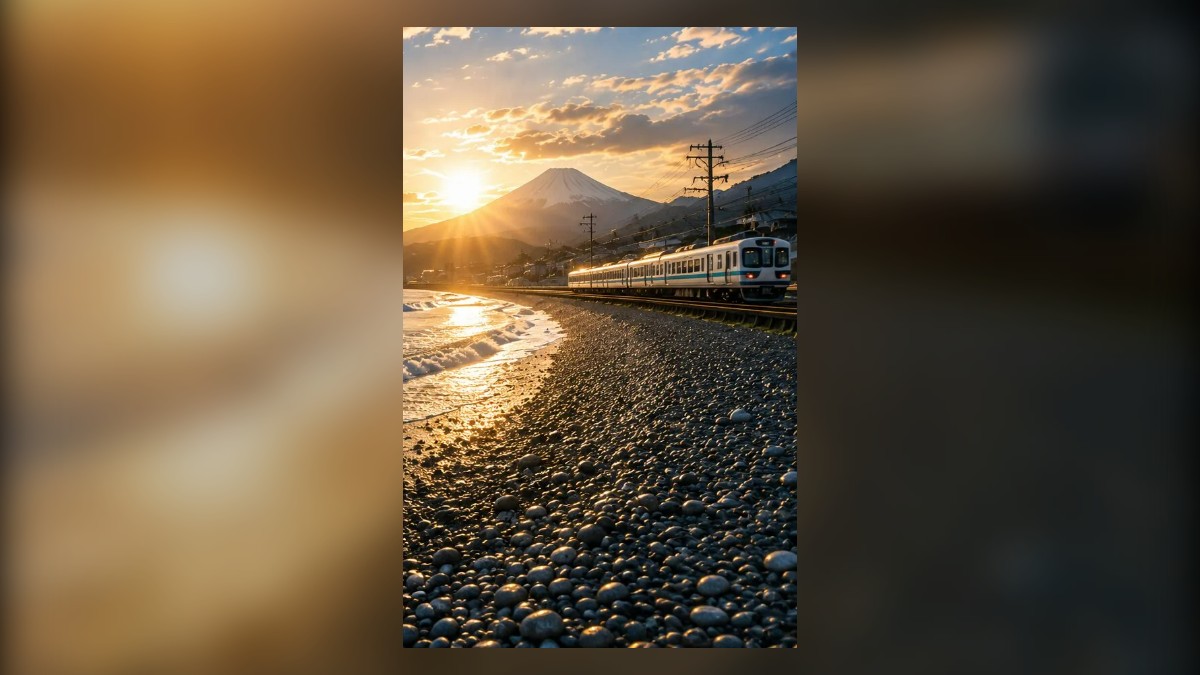
Seisho, on the west side of Sagami Bay in Kanagawa, is unlike the other surf areas I have covered — not a shallow sand beach but a steep gravel beach. Fish it with a shallow-beach mindset and you will struggle.
The Seisho coast managed by the national government runs about 13 km from the Sakawa River mouth to Oiso port — roughly what anglers call “Seisho surf”. Sagami Bay has a submarine canyon reaching into the bay, and the government describes it as one of Japan’s steepest seabeds alongside Suruga and Toyama bays.
Kanagawa classifies the Odawara coast as a gravel beach: water reaches 100 m deep only 0.5–1 km offshore, the beach is steep, four rivers bring down large stones, and big waves are common. Compare that with Enshu-nada or Kujukuri, where you are in about 2 m of water 40 m out.
| Seisho (Odawara, Ninomiya) | Shonan (Hiratsuka, Chigasaki) | |
|---|---|---|
| Bottom | Large gravel | Sand |
| Slope | Steep (100 m deep at 0.5–1 km) | Shallow |
West of Oiso: gravel and steep. East: sand and shallow. Mixing Seisho and Shonan information causes confusion.
One fishing site says the water drops past 10 m just beyond the shoreline at Kozu (not an official figure). If so: no need to blast casts to an offshore drop-off — the drop-off is at your feet. Close range is the main battleground, and working the water in front of you beats long casts. Good news for anglers who cannot cast far.
| Season | Species |
|---|---|
| All year | Whiting, croaker, flounder, flathead |
| Spring–autumn | Whiting, croaker (bait casting) |
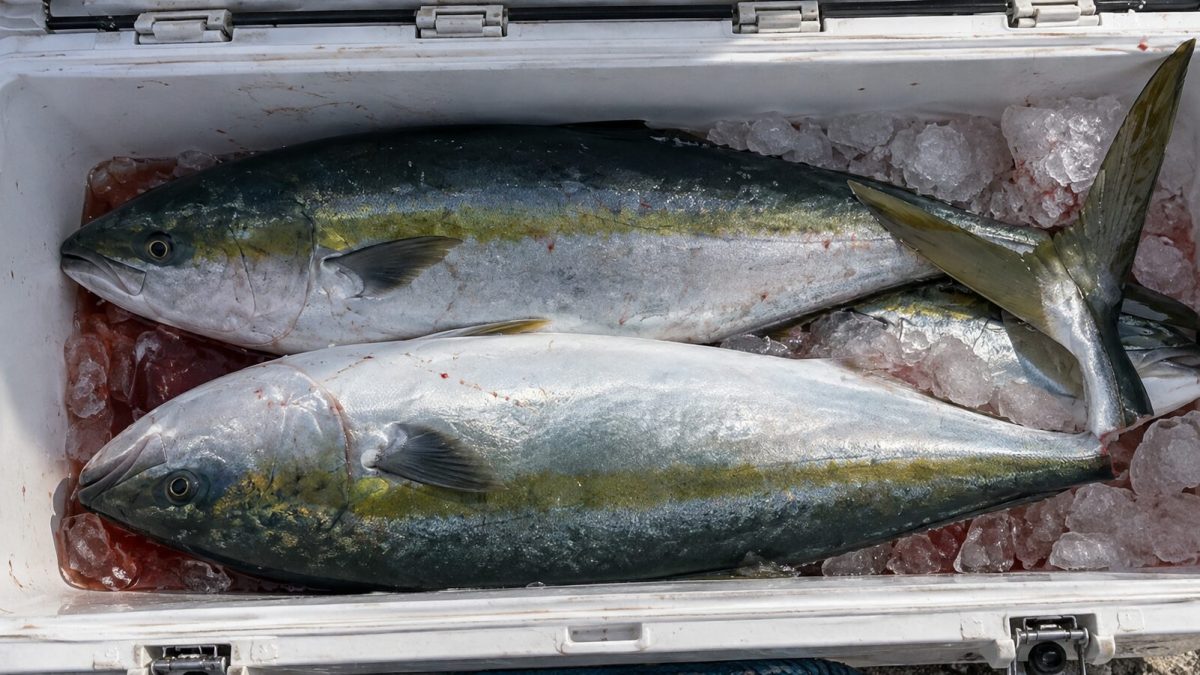
| Summer–autumn | Young yellowtail, mackerel, frigate tuna |
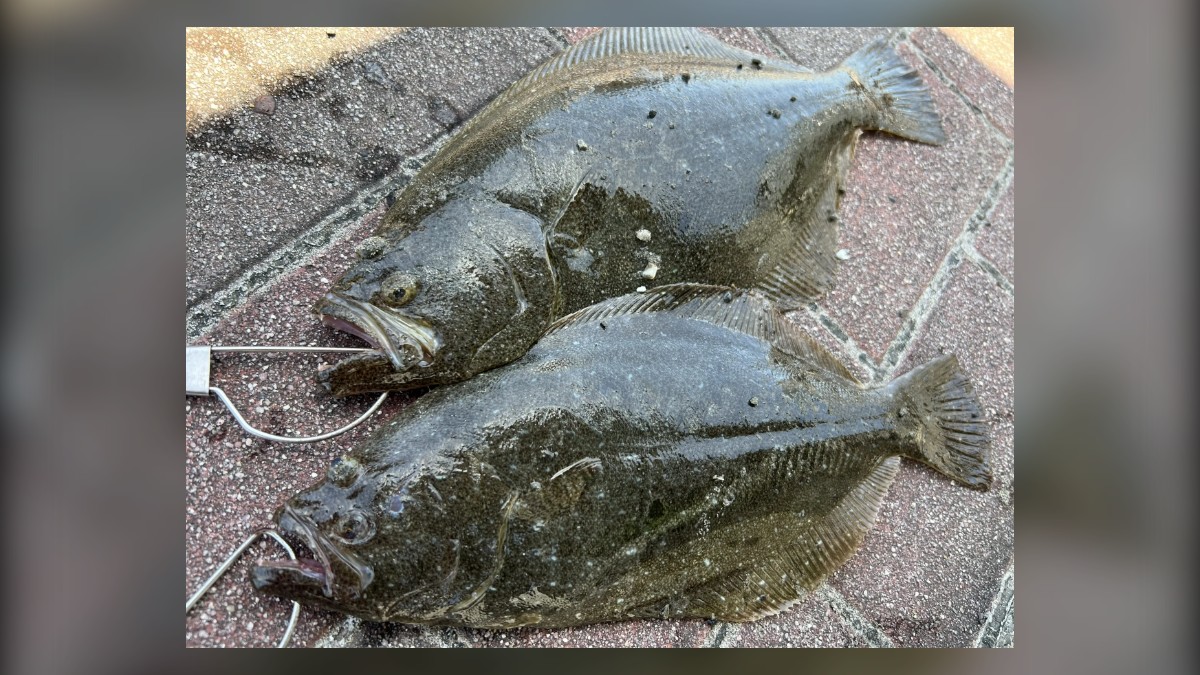
| Autumn–winter | Flounder and flathead |
| Others | Seabass, squid, ribbonfish, mejina, black bream |
| Spot | Town | Parking | Train | Notes |
|---|---|---|---|---|
| Ninomiya / Umezawa | Ninomiya | Free space by the port | Ninomiya stn, 15–20 min walk | Groynes and rock piles |
| Kozu beach | Odawara | No dedicated parking | Kozu stn, 5–6 min walk | The classic Seisho spot |
| Sakawa beach / river mouth | Odawara | Free, large (full at dawn) | Kamonomiya stn, 20–30 min | No toilets |
| Miyuki-no-hama / Odawara port | Odawara | Coin parking nearby | — | Closed areas in the port |
| Oiso beach / port | Oiso | Paid, 353 spaces (310 yen/h) | Oiso stn, ~10 min | Clear rules |
| Hiratsuka / Sagami River mouth | Hiratsuka | Paid, ~200 | — | Shallow from here east |
Seisho’s biggest plus: you can go by train. The JR Tokaido line runs along the coast — rare for surf near Tokyo. Kozu has no real parking, so the train is the best option.
Kanagawa explains rip currents: look for discoloured water, gaps in breaking waves, foam or debris moving out. If caught, do not panic; swim parallel to the shore, or float and wait for help. Combine that with steep water, big waves and the Kozu accident, and the message is clear: do not wade. Cast from a few metres back from the edge — the water is deep enough anyway.
| Part | Guide |
|---|---|
| Rod | 9’6”–10’6” ML–M (no need for 11 ft+) |
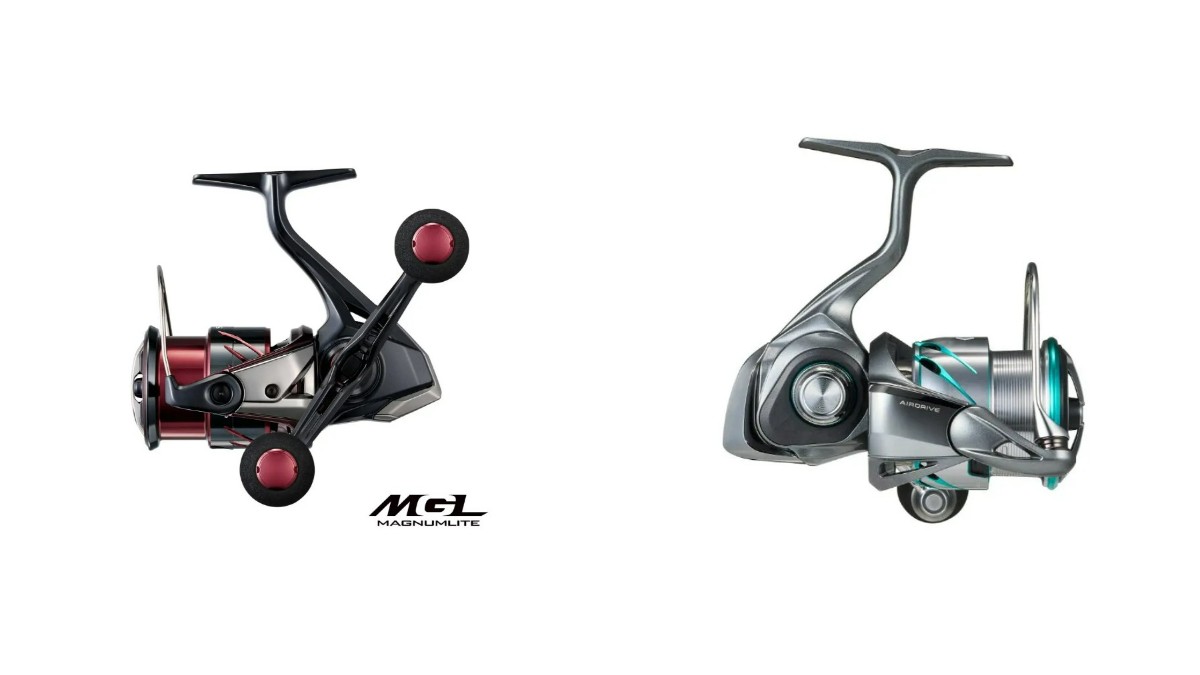
| Reel | 4000 |
| Line | PE 1.0–1.2 |
| Leader | Fluoro 25–30 lb (gravel abrades it) |
| Lures | ~30 g is enough; 40 g+ distance lures rarely needed |
Run your fingers along the leader after every few casts to feel for damage.
Proper surf fishing reachable by train from the Tokyo area is rare. Seisho is the surf where you do not need to cast far — but steep means dangerous. Bring two rules with you: no long casts needed, and no wading.