11 Fish to Catch in Winter in Japan: What Bites From Piers and Beaches in December, January and February
minagiman
Minagiman's Fishing Adventures in Japan
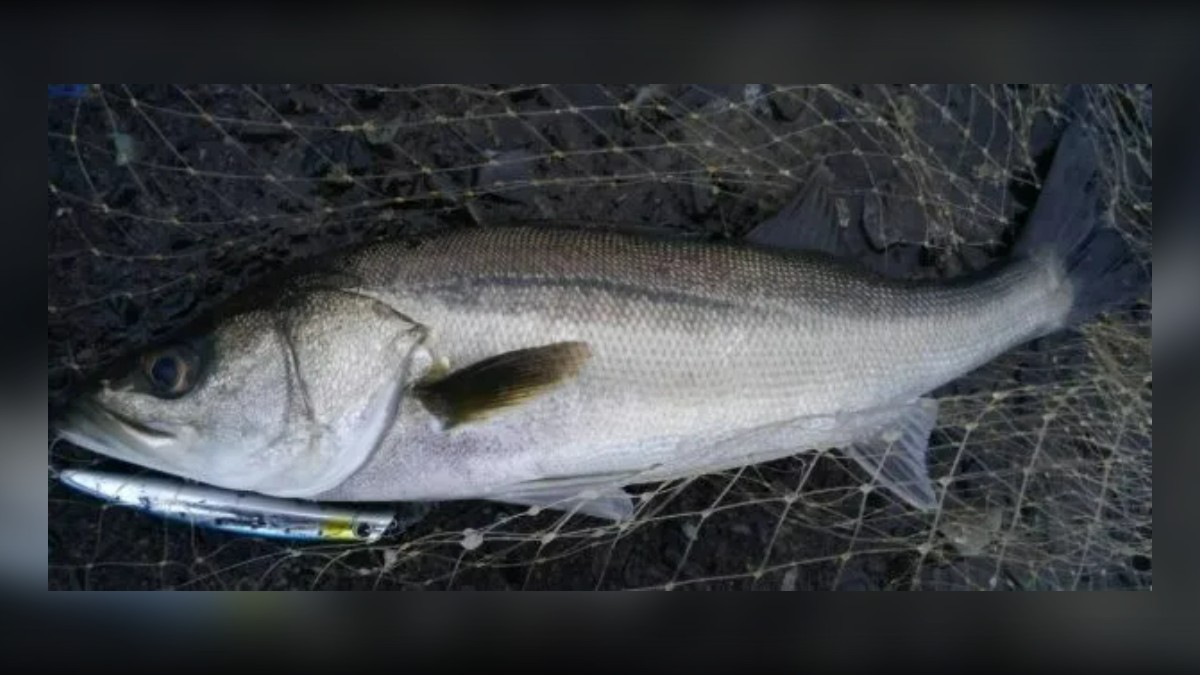
Seabass is probably the fish that gets most Japanese anglers serious about lure fishing. You can catch it in city canals, country river mouths and open-ocean surf — and it is never easy. That depth is why it is so popular. Here is the fish itself; for autumn tactics see my seasonal guide.
| Item | Detail |
|---|---|
| Japanese name | Suzuki (Lateolabrax japonicus) |
| Anglers call it | Seabass |
| Growth names | Seigo → Fukko (Hane in Kansai) → Suzuki |
| Max size | Over 1 m recorded |
| “Lunker” | 80 cm+ |
| Range | Southern Hokkaido to Kyushu |
| Habitat | River mouths, rivers, harbours, piers, surf, rocks |
| Spawning | Winter (roughly Dec–Feb), offshore |
| Best eating | Summer, after recovering from spawning |
| Rough size | Kanto | Kansai |
|---|---|---|
| Up to ~30 cm | Seigo | Seigo |
| ~30–60 cm | Fukko | Hane |
| 60 cm+ | Suzuki | Suzuki |
Among anglers, a fish over 80 cm is a lunker — the big milestone most seabass anglers chase.
The key is salt tolerance: seabass can live in salt, brackish and fresh water, so they run far up rivers to feed almost exclusively on young mullet (inakko), juvenile ayu and gobies. Look for three things together: current breaks (bridge pilings, weirs, confluences), light-shadow edges at night, and moving tide. Where there is no current, there are usually few seabass.
| Season | Where they are |
|---|---|
| Spring (Mar–May) | Recovering after spawning; river mouths to rivers; worm-hatch (bachi-nuke) pattern |
| Summer (Jun–Aug) | Rivers and harbours; mostly night fishing |
| Autumn (Sep–Nov) | The easiest time; spread widely chasing bait |
| Winter (Dec–Feb) | Big fish go offshore to spawn; tough fishing for those left |
Hook a seabass and it often leaps and shakes its head violently — “era-arai” (gill-washing). Out of the water there is no resistance, so the head shakes put maximum force on the hook. It is a move built to throw lures.
Fish often stay on after you think they are gone — keep reeling.
The danger is the gill cover: its edge is razor-thin and cuts deeply. Grip the lower jaw with a fish grip; if bare-handed, never put fingers near the gill covers. The dorsal spines are sharp too — do not grab from above.
| River mouth / harbour | Surf / big river | |
|---|---|---|
| Rod | 8’6”–9’6” ML | 9’6”–11’ M |
| Reel | 3000 | 4000 |
| PE | 0.8–1.0 | 1.0–1.5 |
| Leader | Fluoro 16–20 lb | Fluoro 20–30 lb |
| Lures | 7–12 cm | 12–18 cm |
Flavour depends on where it was caught. Fish from the open coast, surf or rocks are clean-tasting — great as sashimi, arai, meunière or acqua pazza. Fish from inner rivers and city canals can taste muddy. Summer is the best season. Always bleed them; seabass have a lot of blood and it makes a big difference.