Japanese Yellowtail From the Beach: Buri, Warasa, Inada and When They Actually Arrive
minagiman
Minagiman's Fishing Adventures in Japan
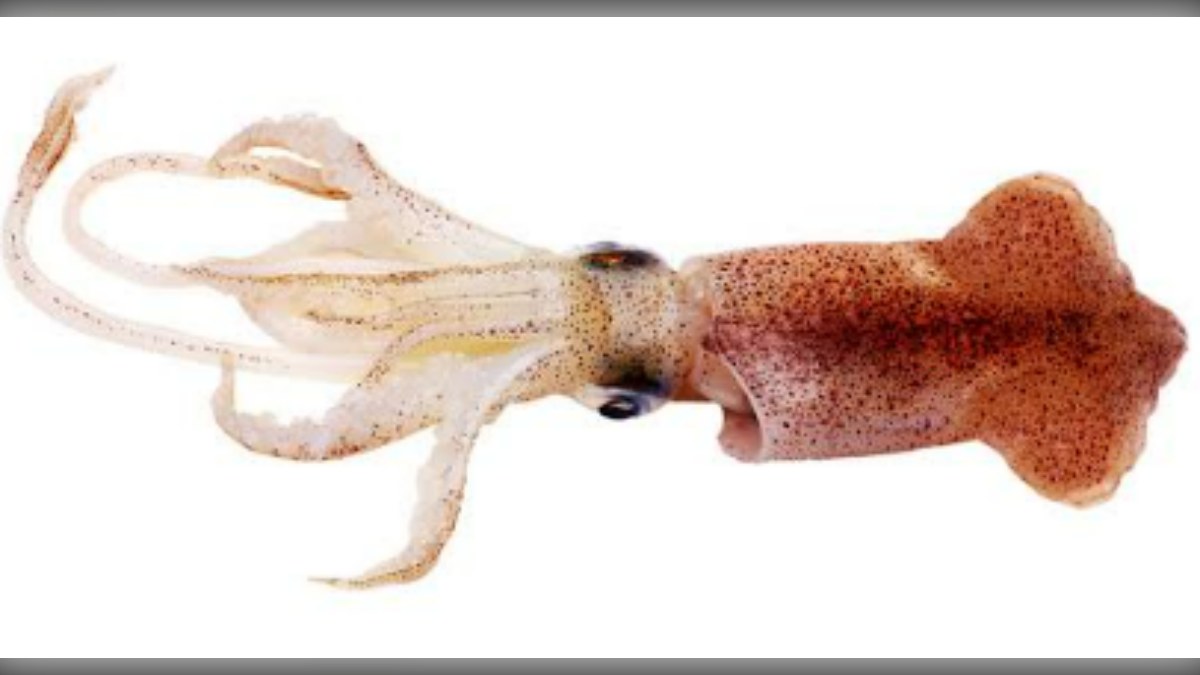
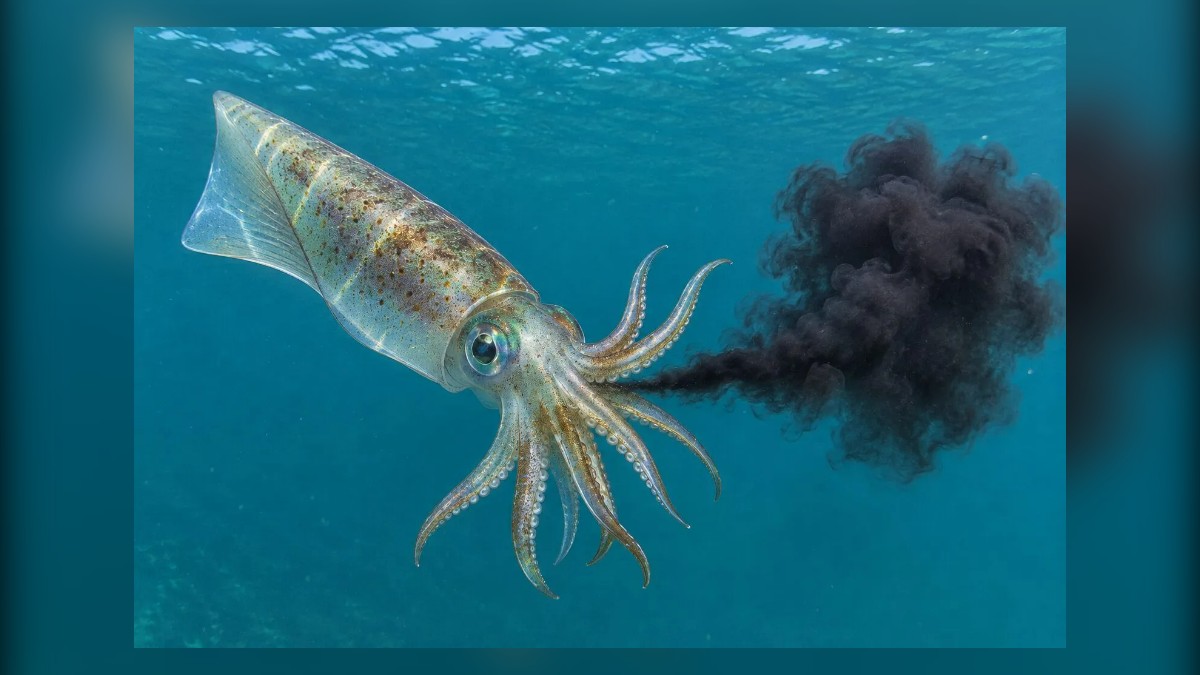
As bigfin reef squid fishing slows down around November, a new target appears on winter nights in Japanese harbours: hiika, a palm-sized squid. It is small, but when you find a school you can catch one after another. You can use ajing or mebaru tackle, so it is easy to add to a winter light-game session.
| Item | Details |
|---|---|
| Common name | Hiika |
| Standard Japanese name | Jindo-ika (Loliolus japonica) |
| Family | Loliginidae (pencil squid family) |
| Size | Small enough to sit in your palm |
| Behaviour | Aggressive; attacks prey almost its own size |
| Activity | Nocturnal, so you fish at night |
Despite their size, hiika are aggressive and grab squid jigs boldly. That makes them a great way for beginners to experience squid fishing.
| Months | Situation |
|---|---|
| October | Starts in some areas |
| November–December | Schools move into harbours. Peak season |
| January–February | Midwinter; still good in cold water |
| March–April | Early spring; continues in some areas |
The main season is roughly November to April, when water is cold. It takes over as bigfin reef squid season ends, so it suits anglers who want to keep eging through winter.
Fish at night: after dark, check harbours where the lights are on. The same spots and times as winter ajing work for hiika.
| Item | Guide |
|---|---|
| Rod | 7–8 ft, UL–L. A light eging, mebaru or ajing rod is fine |
| Reel | 1000–2000 spinning (shallow spool) |
| Line | PE 0.6–0.8 (Japan no.); 0.3 once you are used to it |
| Leader | Fluorocarbon about 1.5 (roughly 6 lb), 50 cm–1 m |
| Squid jig (egi) | Size 1.5–2 |
A soft light-game rod is the most comfortable for working light jigs.
Use small size 1.5–2 jigs. A size 3 or 3.5 for bigfin reef squid is too big for small hiika to grab.
| Colour | When |
|---|---|
| Glow | In dark spots, or away from the lights |
| UV (keimura) | Under lights, for a soft glow |
| Pink and orange | Standard attractor colours |
| Natural | When squid get wary, or under bright lights |
| Step | What to do |
|---|---|
| 1. Cast | Around the light-and-shadow line |
| 2. Sink | Let it sink to the surface-to-mid layer |
| 3. Jerk | Two or three small jerks |
| 4. Fall | Let the jig sink and wait for the bite |
| 5. Set | If anything feels different, set the hook |
At night, hiika are usually in the surface to mid layers. Unlike bigfin reef squid, you do not need to hit bottom and make big jerks. Small jerks, then let them grab it on the fall.
| Hiika | Bigfin reef squid | |
|---|---|---|
| Size | Palm-sized | Larger, with big spring fish |
| Season | Late autumn to early spring (mainly winter) | Autumn and spring |
| Where | Inside harbours, around lights | Piers with good current, rocks, weed beds |
| Jig size | 1.5–2 | Mostly 2.5–3.5 |
| Method | Small jerks and falls, surface to mid | Hit bottom and jerk hard |
For hiika, think small, shallow and slow. Using bigfin reef squid tactics, your jig is likely to be too big and too deep.
Chill hiika straight away in a cooler with ice. Put them in a zip bag first so they do not mix with other fish or slurry. They are great as tempura or deep-fried whole, simmered in a sweet soy sauce, or in stir-fries and pasta. Squid can carry Anisakis, so take care if eating raw; cooked is safe.
Many people think of eging as bigfin reef squid fishing and see winter as the off-season. With hiika, you can keep eging on winter nights in harbours, with the same tackle as ajing. Detecting and hooking tiny bites feels a lot like ajing. Just slip a few size 1.5 jigs into your pocket next time you go ajing.